

Economy 4 min read By Callum Montgomery
Millennials and Gen Z drive half of holiday spending as shoppers trade down
Bank of America card data shows consumers trading down at the fastest pace since 2022, with younger shoppers now accounting for half of holiday spending and value-seeking behaviour shaping retail plans for the season.
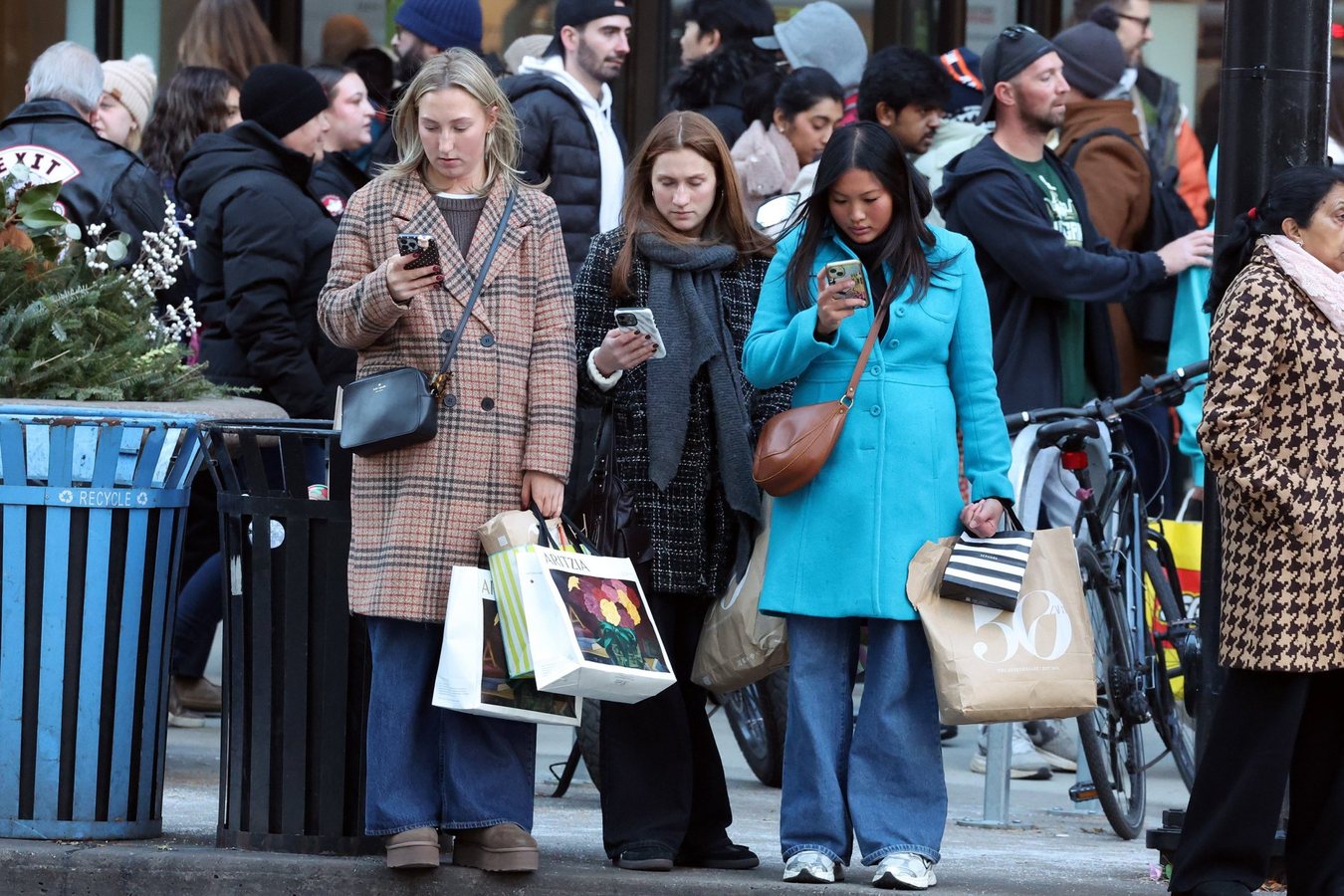
Younger shoppers are now driving the holiday retail season, and they are doing so by spending more carefully. Millennials and Gen Z together account for half of holiday spending this year, according to Deloitte, and both groups plan double-digit increases in what they will spend. At the same time, card data from Bank of America points to a broad shift toward cheaper alternatives, with consumers trading down at the fastest rate since 2022.
Bank of America's Spending Tier Composite shows trade-down behaviour at its highest level since 2021. Millennials have been moving to lower-priced options faster than Gen X and baby boomers since 2022. The clearest signs appear in apparel and groceries, where shoppers are buying closer to what they need rather than what they might once have chosen. Deloitte's research identifies 38 per cent of shoppers as «holiday value seekers», a group that plans to spend 12 per cent more than other shoppers this season.
Spending plans also vary sharply by income. Deloitte estimates that households earning more than £200,000 plan to spend about £3,607 on the holidays, while those earning under £50,000 plan about £693. Goldman Sachs has highlighted pressure on lower-income households, which it links to cuts in government benefits and higher petrol prices. Some households are skipping travel altogether rather than simply cutting costs on it.
The National Retail Federation forecasts that holiday retail sales will rise by 4.2 per cent to $1.01 trillion. Mastercard SpendingPulse expects growth of 5.5 per cent, though roughly half of that increase is expected to come from higher prices rather than higher volumes. An NRF survey found that 43 per cent of holiday shoppers plan to visit discount stores, a further sign of the value-driven mood.
The wider economic backdrop is shaping these choices. Real disposable income fell by 0.3 per cent in September, while personal consumption expenditure inflation stood at 3.6 per cent on an annual basis. Goldman Sachs forecasts that consumer spending will grow by 2.5 per cent in 2026 and 2.2 per cent in 2027, and expects real disposable income to rise by 1.4 per cent in 2026. The personal saving rate was 3.8 per cent in September, compared with 26.2 per cent in March 2021, although Goldman argues the true rate is closer to 5 per cent.
Stock market gains have also supported spending, with Goldman estimating that the wealth effect added more than 0.4 percentage points to spending growth in 2026. That support carries risk, however. Goldman has warned that declines in AI-linked stocks could weigh on consumer spending in the period ahead.
Retailers are responding to the shift in shopper behaviour. Toys ‘R’ Us is opening a store at Grand Central Terminal in New York this Friday, as part of a wider expansion of its North American store network under its owner, WHP Global. The move comes as retailers compete for a holiday customer base that is weighing price more heavily than before.
Source: fortune.com
52