
Economy 4 min read By Arthur Ellington
Iran war forces Saudi Arabia to rethink its spending spree
The conflict with Iran has disrupted Saudi Arabia's oil exports and shelved flagship Vision 2030 projects, raising doubts about whether the kingdom's near-limitless investment pipeline can continue.
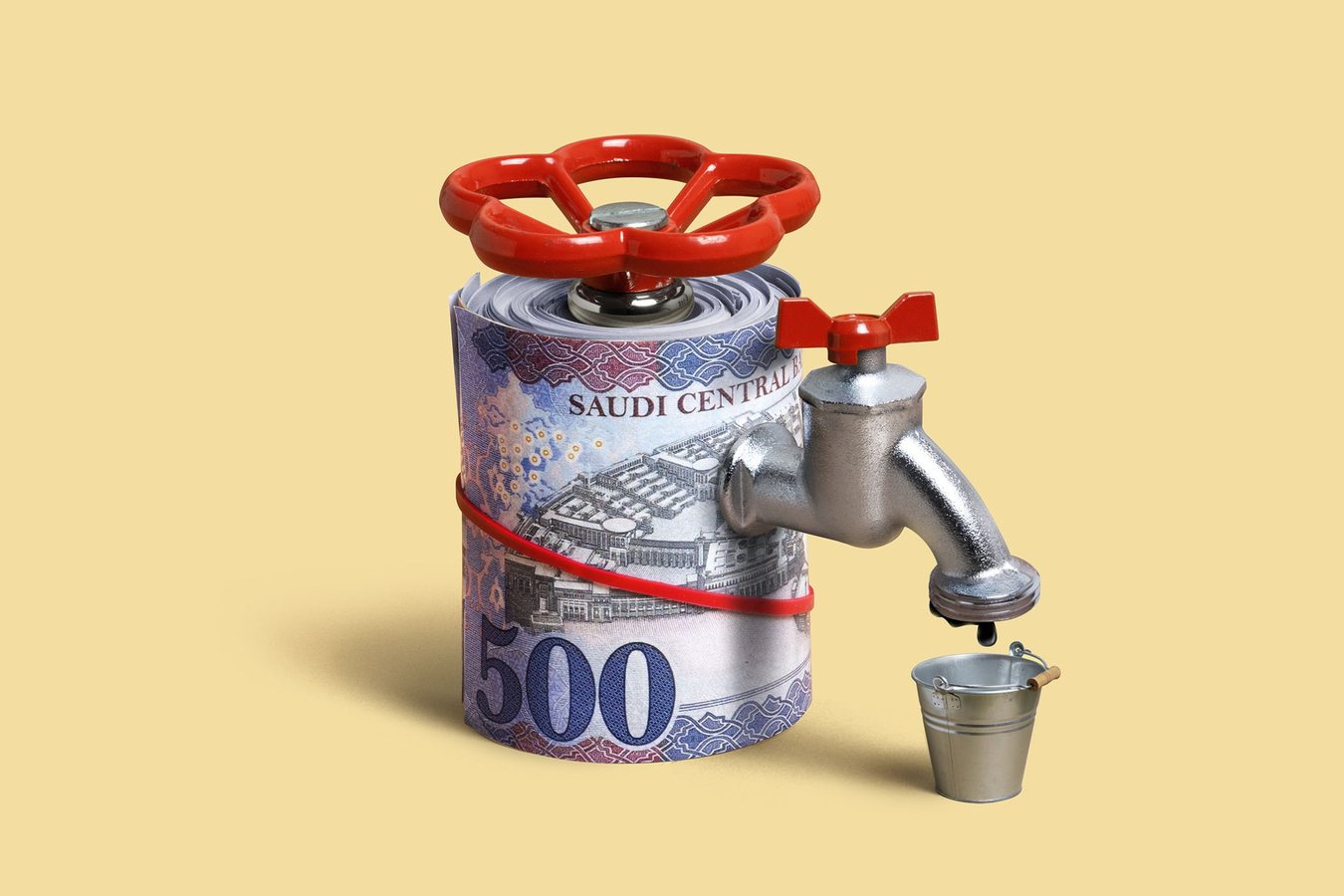
For much of the past decade, Saudi money seemed to be everywhere, from football clubs and Silicon Valley tech firms to London's Heathrow Airport and a suburb west of Paris. The Iran war has now shaken that picture. Saudi officials are increasingly worried that foreign businesses may look for partners elsewhere rather than risk being drawn into a country at war, and the effects could outlast any peace settlement.
The engine of this spending has been the kingdom's Public Investment Fund, or PIF, chaired by Crown Prince Mohammed bin Salman. Its assets have grown about 600 per cent since 2015, to more than $900 billion. The fund has bought stakes in soccer, technology companies, the California electric vehicle maker Lucid and Heathrow, while financing giant tourism sites, arenas and entertainment complexes at home. The money underpins Vision 2030, the crown prince's strategy to reduce the economy's dependence on oil and build sectors such as tourism, entertainment, sport and artificial intelligence.
The pool of money is now under strain. Iran's closure of the Strait of Hormuz to critical oil shipments forced Saudi Arabia to cut millions of barrels of exports a day or pipe them overland to its Red Sea port. Glittering Vision 2030 events aimed at attracting global talent and tourists have been shelved. The PIF dropped its $5 billion LIV Golf investment in May and abandoned efforts to acquire the PGA Tour and sign leading players. An international tennis tournament was rescheduled, a film festival in Jeddah was postponed, and the city's Formula 1 race was cancelled.
The figures show the scale of the pressure. Foreign direct investment into Saudi Arabia fell 18 per cent in the second quarter, and the government expects the economy to shrink 3.6 per cent this year, its sharpest contraction since the pandemic, with a budget shortfall of $51 billion. Oil still provides about 60 per cent of fiscal revenue, and the state-owned Saudi Aramco, whose strategy is overseen by the crown prince, has been the main source of funds that flow to the PIF. Higher oil prices lifted Aramco's third-quarter profits by 9 per cent, yet the war has disrupted the volumes that actually reach buyers.
The consequences reach beyond Riyadh. The United States is the biggest recipient of Saudi investment, and companies there that have relied on PIF capital may now have to search harder for funding of similar depth. The UAE's sovereign wealth fund, the most obvious alternative, is also feeling the war's strain. The Council on Foreign Relations warned in May that there was no obvious, equally large capital source waiting in the wings.
The episode also tests the rationale behind Vision 2030. When the plan was unveiled in 2015, the case rested on a young population, with 71 per cent of Saudis under 35, that needed millions of new jobs, including for women, who were by then permitted to drive. Diversification was also meant to keep Saudis at home rather than spending an estimated $1 billion a year abroad on films, concerts and restaurants. Cinemas, live concerts and mixed entertainment have since expanded rapidly, but the kingdom remains an autocracy that imposes long prison terms on mild critics and regularly executes non-violent offenders.
Whether the Saudi cash machine can keep running at its former pace will depend on how long the conflict lasts and whether investors judge the risk worth taking. For now, the fund's ambitions and the kingdom's economic plans appear to be on hold, and the rest of the world may need to adjust to a Saudi Arabia that can no longer be assumed to pay for everything.
Source: fortune.com
37