Economy 4 min read By Arthur Ellington
Harvard economist praises Fed Chairman Warsh for defying political pressure at Jackson Hole
Harvard economist Kenneth Rogoff has praised Federal Reserve Chairman Kevin Warsh for his Jackson Hole speech, saying he showed courage by defying political pressure. The remarks come amid intense scrutiny of the central bank's independence.
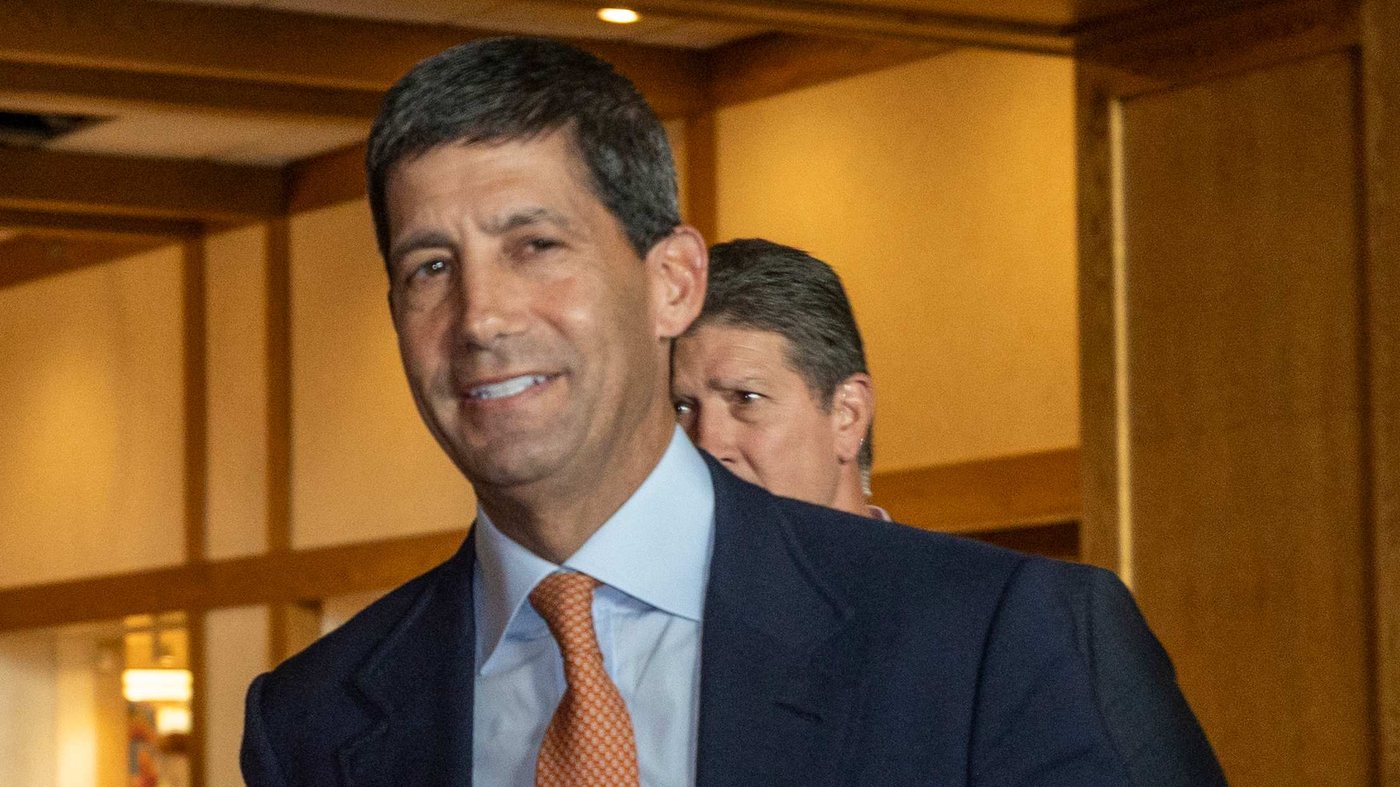
Harvard economist Kenneth Rogoff has commended Federal Reserve Chairman Kevin Warsh for his recent Jackson Hole speech, describing the address as a display of courage in the face of political pressure. The remarks, delivered at the central bank's annual symposium in Wyoming, have drawn attention for their directness on monetary policy at a time when the Fed's independence faces mounting scrutiny.
Rogoff, a former chief economist at the International Monetary Fund and a professor at Harvard University, said Warsh's willingness to speak plainly demonstrated the kind of institutional backbone that markets and policymakers look for in a central bank leader. The Jackson Hole gathering, held each August, serves as a key platform for the Fed chair to signal policy direction to global financial markets.
The praise arrives as the Federal Reserve navigates a delicate balancing act between curbing inflation and supporting economic growth. Warsh, who took the helm of the central bank amid a turbulent period for global markets, has faced pressure from various political quarters to adjust policy to suit short-term electoral interests. Rogoff's comments suggest that Warsh has so far resisted such overtures.
Political interference in central banking has become a growing concern among economists worldwide. Independent central banks are widely seen as crucial for maintaining price stability and anchoring inflation expectations. When political leaders pressure monetary authorities to keep interest rates low or delay necessary tightening, the long-term credibility of the institution can suffer, often leading to higher inflation and greater economic volatility.
Warsh's speech at Jackson Hole is understood to have reaffirmed the Fed's commitment to its dual mandate of maximum employment and stable prices, while also addressing the challenges posed by fiscal policy and global economic fragmentation. The chair's remarks were closely watched by investors seeking clues about the future trajectory of interest rates.
The Federal Reserve has been engaged in a prolonged campaign to bring inflation back to its 2% target. While price pressures have eased from their peaks, the central bank remains cautious about declaring victory too early. Any perceived weakness in the Fed's resolve could unsettle bond markets and undermine the progress made so far.
Rogoff's endorsement carries weight in economic circles, given his extensive academic and policy experience. His assessment of Warsh's leadership will likely be cited by analysts as evidence that the Fed chair is prioritising institutional integrity over political expediency. The episode also highlights the broader debate about the role of central banks in an era of heightened political polarisation.
As the global economy continues to face headwinds from geopolitical tensions, supply chain disruptions, and uneven growth across major economies, the independence of institutions like the Federal Reserve remains a cornerstone of economic stability. Warsh's approach at Jackson Hole, as praised by Rogoff, signals an intention to uphold that principle.
62