

Economy 4 min read By Bethany Hadley
Goodwill CEO says employers still favour degree holders despite skills pledges
Goodwill chief executive Steve Preston says many hiring managers still screen for college degrees, even after major firms dropped degree requirements, leaving young non-graduates most exposed to unemployment.
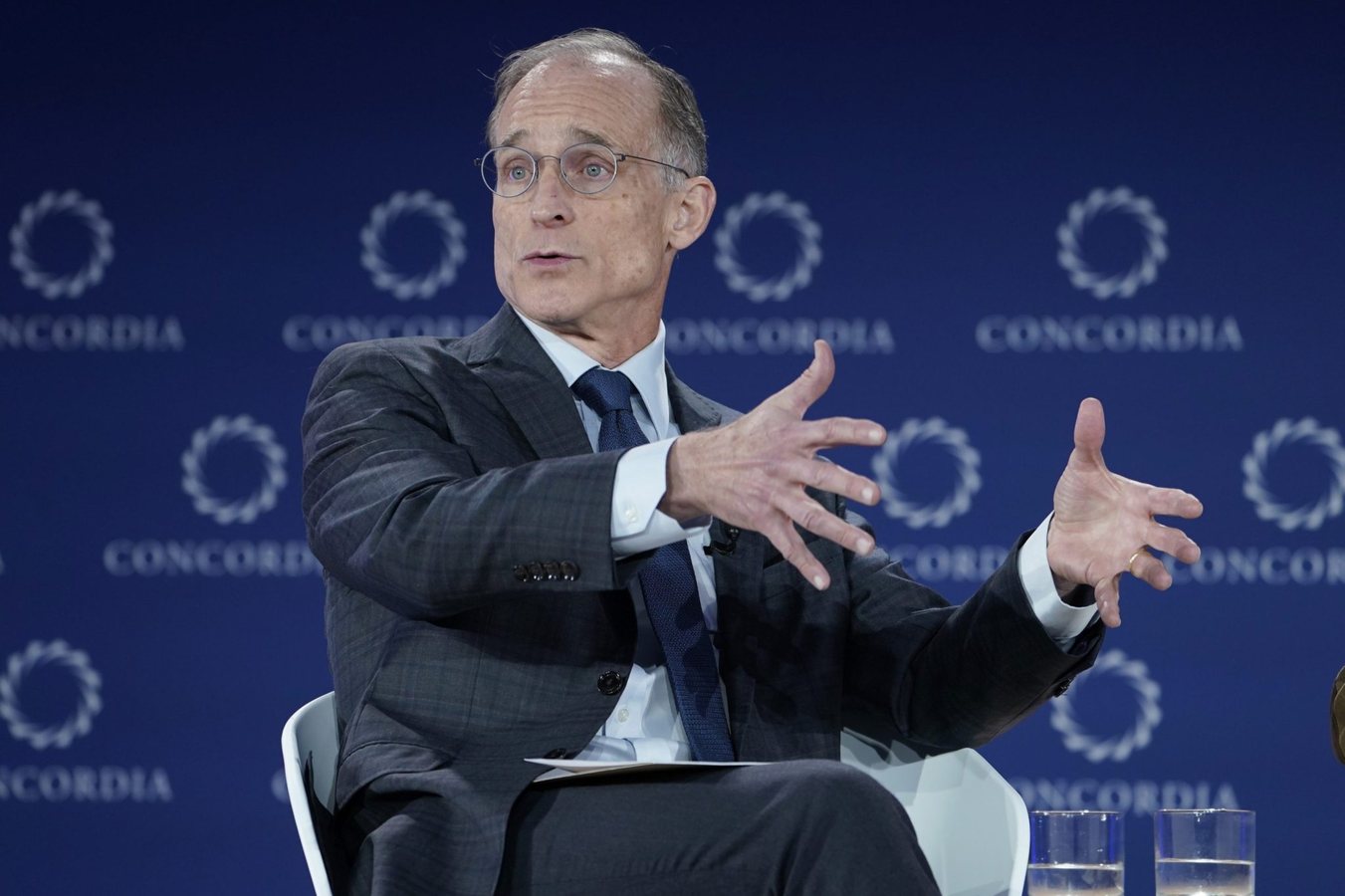
Goodwill chief executive Steve Preston says that many employers who have publicly dropped degree requirements are still favouring college graduates when it comes to actual hiring decisions. Speaking to Fortune, Preston argued that while most chief executives have good intentions, they cannot control every interview or job offer, and the promise of skills-first hiring may not be reaching the young people who need it most.
Large technology and corporate names including Google, Microsoft, IBM and Apple have all removed long-standing degree requirements from their job listings, and other firms have followed. Preston said the change has not always carried through to the people making the decisions. "Right now, employers are consistently saying they want to hire for skills, not necessarily degrees," he said. "But the proof is in the pudding. Not everybody does it." He added: "What I hear from a lot of people is, 'Yeah, the top says we need to do this,' but when it gets to the hiring professionals, it doesn't always trickle down."
Preston's comments come from a figure well placed to observe the labour market at street level. Goodwill operates more than 650 job centres and saw nearly 2 million people use its employment services last year. He said the organisation is preparing for a growing number of jobless young people, a trend he linked to automation. In his view, the gap is most acute for those without degrees. "What I'm seeing is, of the overall unemployment, people without college degrees have no jobs," he said. Research he cited suggests the problem is even sharper for young men. "It's much harder to find a job," Preston said. "It's really hitting college students right now in the marketplace. It's really hitting young adults without college degrees."
Preston offered several reasons why hiring managers may still prefer graduates. A four-year degree, he said, creates an assumption that a candidate has a foundation useful in the workplace, while those without one may be seen as lacking core skills. He pointed to critical thinking, team building and communication, which he said are commonly developed through school projects and essays. "So somebody with a strong collegiate background provides a high degree of comfort that these other capabilities are in place," he said. He also noted a simpler human factor: "It's also just easy to interview people who are like you. If you went to college, if you've gone down a particular pathway, you speak the same language, you have many of the same experiences."
For young people without degrees, Preston said the task is to show that they have built those capabilities elsewhere, whether through upskilling, volunteering or work experience. He even suggested that participation in a sports team can help, because it develops confidence, teamwork and discipline. "Employers have to be able to see that many of those capabilities are acquired in different ways," he said.
Preston also made the case to employers that broader recruitment is good for business as well as fairness. Organisations that look more widely for talent, he said, are more likely to fill their roles, less likely to report gaps in their teams, more likely to describe a healthy workplace, and often record higher engagement scores. "Honestly, I think that's important for society as well, on many levels," he added.
Source: fortune.com
27