Economy 4 min read By Bethany Hadley
Oil prices climb more than 1% as supply worries persist
Crude prices rose sharply as lingering concerns over global supply disruptions kept upward pressure on the market, with traders focused on risks to production and exports.
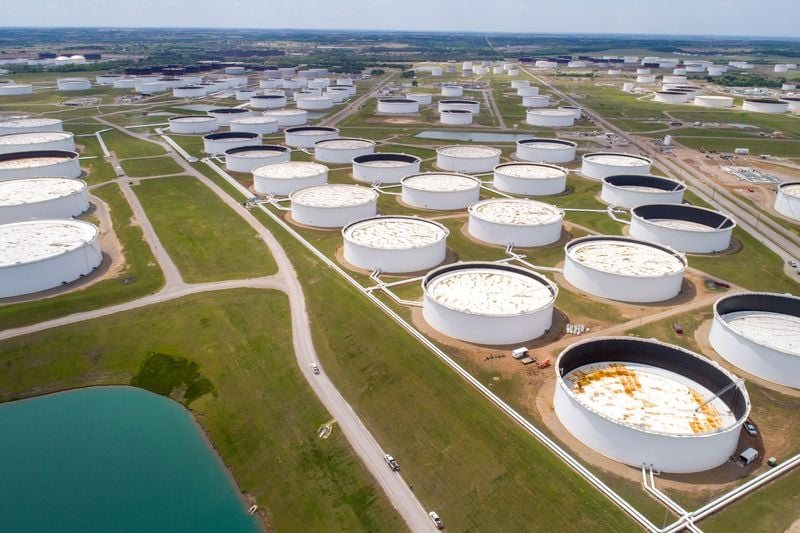
Oil prices rose by more than 1% as persistent concerns about global supply kept upward pressure on crude markets. The gains reflect a market that remains sensitive to any threat to production or exports, with traders unwilling to dismiss the risk of disruption even as demand signals remain mixed.
The move higher came amid a broader sense that supply-side risks have not faded. Attacks on Saudi Arabia by Houthi forces have been a recurring source of anxiety for energy markets, and the latest price action suggests investors are still pricing in a premium for the possibility that flows could be interrupted. The market reaction was measured but clear: crude benchmarks advanced by more than a percentage point, extending a pattern of volatility tied to geopolitical developments rather than purely to shifts in consumption.
For the British economy, the direction of oil prices matters on several fronts. Higher crude costs feed through to transport, manufacturing and household energy bills, and can complicate the inflation outlook at a time when the Bank of England is weighing the pace of interest-rate adjustments. Fuel prices at the pump are closely watched by consumers, while businesses in energy-intensive sectors keep a close eye on input costs. A sustained rise in oil would add to the cost base for many firms and could weigh on margins in sectors already facing tight labour markets and subdued demand.
The supply concerns are not new. Houthi attacks on Saudi Arabia have periodically unsettled markets, and each incident serves as a reminder that a significant share of global crude output travels through or originates in a region where security risks are elevated. Traders have grown accustomed to short-lived spikes followed by retracements when no immediate disruption to physical flows materialises. The latest increase fits that pattern, but the persistence of the risk means the market is unlikely to price out a geopolitical premium entirely.
Beyond the immediate headlines, the broader energy picture remains finely balanced. On the demand side, economic growth in major economies has been uneven, with China’s recovery proceeding at a modest pace and European industrial activity subdued. That has capped some of the upside for crude. On the supply side, production decisions by major exporters and the resilience of non-OPEC output continue to shape expectations. The result is a market that reacts sharply to news but lacks a clear directional trend, leaving prices vulnerable to swings driven by headlines rather than fundamentals.
For investors, the latest move underscores the importance of monitoring geopolitical developments alongside traditional indicators such as inventories and refinery runs. Energy equities and currency markets often react in tandem with crude, and the pound’s sensitivity to risk sentiment means UK assets are not insulated from shifts in the oil price. Analysts have repeatedly noted that supply disruptions, even if short-lived, can have outsized effects on prices because spare capacity is concentrated in a small number of producers.
The coming weeks will test whether the latest gains hold. Much depends on whether attacks on Saudi infrastructure continue or escalate, and on how quickly any disruption to flows is addressed. For now, the market has delivered a clear message: supply concerns are lingering, and traders are not yet ready to assume the risk has passed.
5