Economy 5 min read By Bethany Hadley
Oil flows through Hormuz exceed prewar levels despite Iran attacks
Shipments through the Strait of Hormuz and alternative routes have topped prewar averages as Gulf producers avoid escalation and markets adapt to a prolonged conflict, though risks remain elevated.
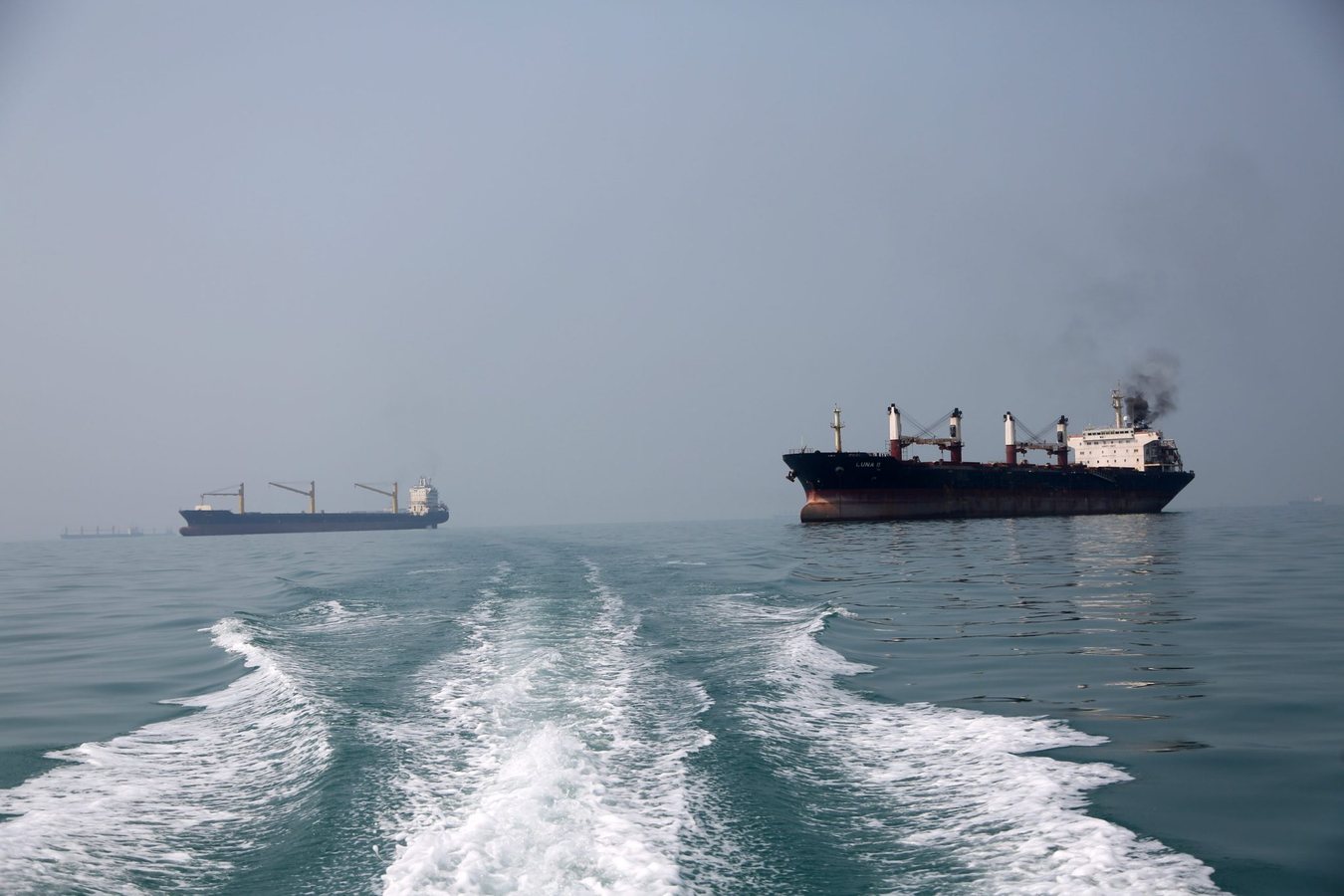
Oil shipments through the Strait of Hormuz and alternative routes averaged more than 24 million barrels a day last week, exceeding the 23.3 million barrels a day averaged before the US and Israel launched the war against Iran in late February, according to tracking firm Kpler. The figures suggest that energy markets are adapting to what JPMorgan analysts describe as a «forever conflict» in the Middle East, even as Iran steps up attacks on tankers in the strategic waterway.
Hormuz traffic has not returned to normal, with the threat of Iranian attacks continuing to deter some tankers. But the lucrative payouts available for transiting the strait are persuading enough shipowners to take on the risk. Pipelines that bypass Hormuz are also picking up the slack, and top oil consumers have reduced demand. As a result, prices for some Middle East oil supplies in Asia are now lower than they were a month ago, according to sources cited by Bloomberg.
Brent crude prices have risen in recent days on reports that the US and Israel are preparing fresh attacks on Iran, but they remain below the peak levels seen at the height of the war. JPMorgan analysts said in a note on Wednesday that «energy security shocks are persistent, not episodic, and supply-chain and shipping disruptions remain material risks». They added: «Energy markets are converging on a forever conflict in the Middle East, but supply has been resilient and demand destruction in China has been key.»
A survey of investors conducted by the bank found that more than half of respondents expect Middle East disruptions to keep energy prices «structurally elevated» over the next 12 months. Even so, JPMorgan said demand destruction could keep oil prices at around $90 per barrel and prevent them from soaring to the $120 to $140 level that some forecasters fear. «Repeated supply shocks are driving a lasting reconfiguration of trade routes and energy corridors, and tail risks remain elevated,» the analysts added. «Building resilience in supply chains has become a priority.»
Over the longer term, the expansion of pipelines and port infrastructure will help improve the resilience of oil flows, according to Hamad Hussain, a senior commodities economist at Capital Economics. He estimated that Saudi Arabia plans to convert an existing natural gas pipeline to carry 1.2 million barrels per day of oil, boosting the kingdom's ability to send oil to its west coast within six to eight weeks. Next year, the United Arab Emirates should complete a second pipeline to its port at Fujairah, allowing even more oil to bypass the Strait of Hormuz. «Energy markets are learning to live with conflict,» Hussain wrote.
But energy markets cannot live with too much conflict. Iran has warned that any fresh US-Israeli attacks would target not only energy infrastructure but also the region's data centres and internet cables. Such attacks would likely be met with similar retaliation on Iran's infrastructure, prompting further tit-for-tat strikes that would threaten the region's ability to ship and pump oil over the long term. «Wiping out an oil terminal opposite of Iran is equivalent to Mutually Assured Destruction,» TankerTrackers posted on X last week. «There are lines one simply doesn't cross even during conflict.»
The US has also shown signs of restraint. Despite President Donald Trump's earlier threats to destroy an Iranian bridge or power plant each time Tehran attacks a ship in the Strait of Hormuz, he has not followed through. Trump has favoured waging economic warfare instead, with a US naval blockade choking off Iran's oil exports and financial sanctions preventing the regime from repatriating revenue generated abroad. Another aircraft carrier and Marine expeditionary unit are headed to the region, but Trump has backed off from earlier vows to restart all-out war against Iran.
Mike Waltz, Trump's ambassador to the United Nations, acknowledged to the Financial Times that the US could remain locked in a stalemate with Iran a year from now, without a deal on Tehran's nuclear programme or the Strait of Hormuz. «The president and the US Navy can maintain this blockade for the foreseeable future,» he said, adding that the administration is «tightening» its economic pressure on Iran.
5