Technology 4 min read By Arthur Ellington
Las Vegas Sphere Shows How Technology Partnerships Drive Innovation
The Sphere in Las Vegas demonstrates how a critical technology partnership can deliver breakthrough consumer experiences and competitive advantage, according to a new analysis.
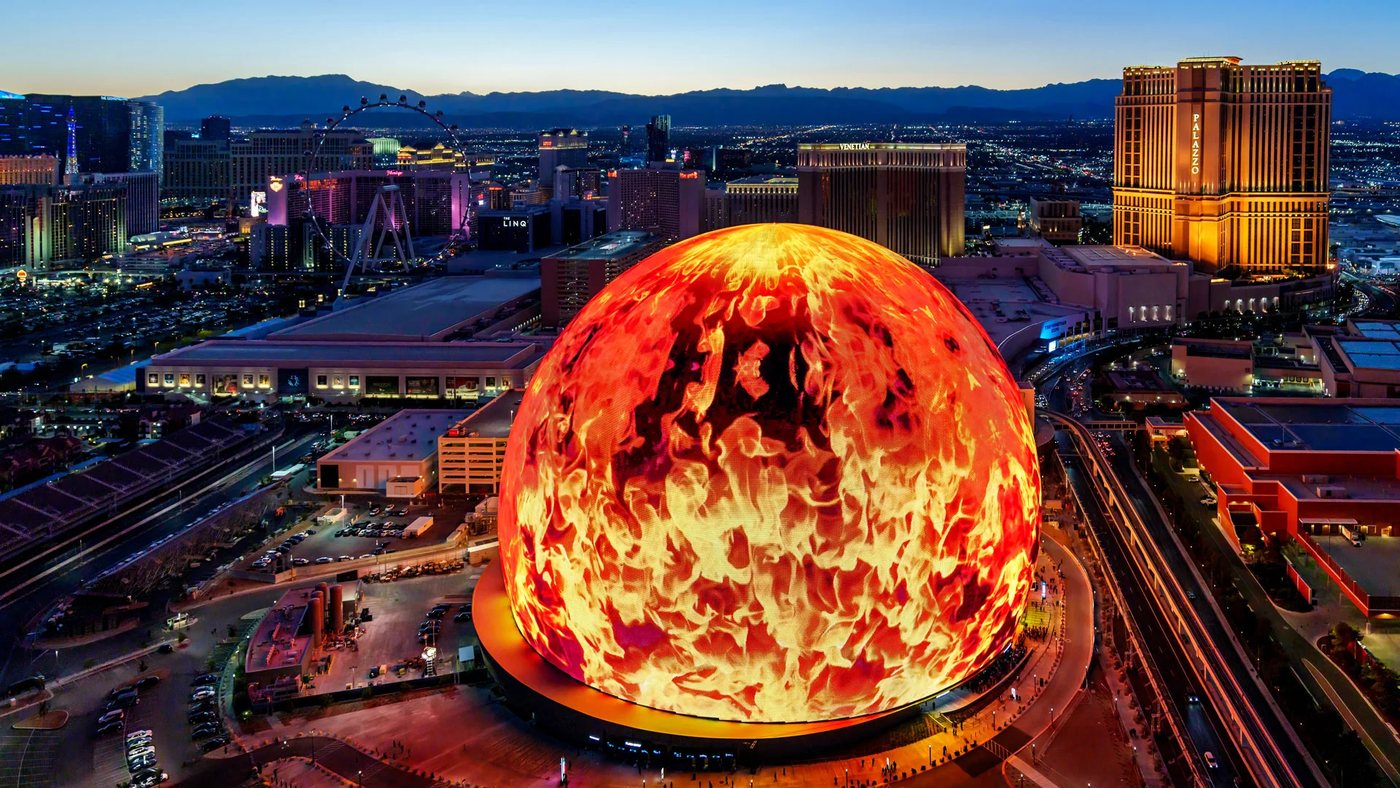
The Sphere in Las Vegas has been held up as the most significant leap in consumer experience since the iPhone, with its success attributed not simply to spectacle but to a deep technology partnership that enabled something genuinely new. The venue, which has drawn global attention for its immersive displays and scale, illustrates how collaboration between a venue operator and a technology provider can create products and experiences that neither could deliver alone.
The central argument is that the Sphere's impact stems from a critical technology partnership that drove new-to-the-world innovation and gave the operator a durable competitive advantage. Rather than treating technology as a commodity supplier relationship, the project appears to have been built around close integration between the physical venue and the digital systems that power its displays, sound, and audience experience. That model contrasts with the more common approach in which venues buy off-the-shelf hardware and software and compete mainly on content or location.
For British businesses watching the consumer experience sector, the Sphere offers a case study in how partnership strategy can shape product differentiation. The venue's ability to deliver something audiences have not seen before depends on hardware, software, and content working together at a scale that requires sustained engineering collaboration. That is difficult to replicate quickly, which is precisely what creates the competitive moat. The lesson for companies in retail, hospitality, live events, and media is that the most defensible innovations often come from partnerships that go beyond procurement and into joint development.
The comparison to the iPhone is instructive. Apple's breakthrough was not a single component but the integration of hardware, software, and services into a coherent experience that reset consumer expectations. The Sphere appears to follow a similar logic: the visible result is a striking building and a compelling show, but the underlying advantage is the system that makes both possible. If that system is protected by exclusive technology relationships, competitors face a higher barrier to entry than they would if the innovation were purely architectural or creative.
The analysis also points to a broader shift in how consumer-facing venues compete. As physical spaces increasingly rely on digital layers to attract audiences, the quality of technology partnerships becomes a strategic question for boards and investors, not just a procurement matter. Venues that treat their technology providers as long-term partners may find it easier to iterate quickly, launch new formats, and respond to changing audience expectations. Those that do not may find their experiences easier to copy.
For the UK, where live events, hospitality, and retail are significant employers and export earners, the Sphere case may inform how operators think about investment in immersive technology. The venue's success suggests that the payoff from such partnerships can be substantial when the technology is central to the experience rather than an add-on. It also suggests that the most valuable partnerships are those in which both sides commit to solving problems that have no existing solution.
The Sphere's rise has already prompted interest from other cities and operators considering similar large-scale venues. Whether the model can be replicated depends on whether the technology partnership can be replicated, and that is likely to be the deciding factor in how quickly competitors emerge. For now, the venue stands as evidence that a well-chosen technology alliance can produce a consumer experience that feels like a genuine step change rather than an incremental upgrade.
10