Culture 5 min read By Arthur Ellington
Freddie Mercury remembered 80 years after his birth
Freddie Mercury, the iconic Queen frontman, is remembered on the 80th anniversary of his birth, with his legacy in music and culture still resonating across Britain and the world.
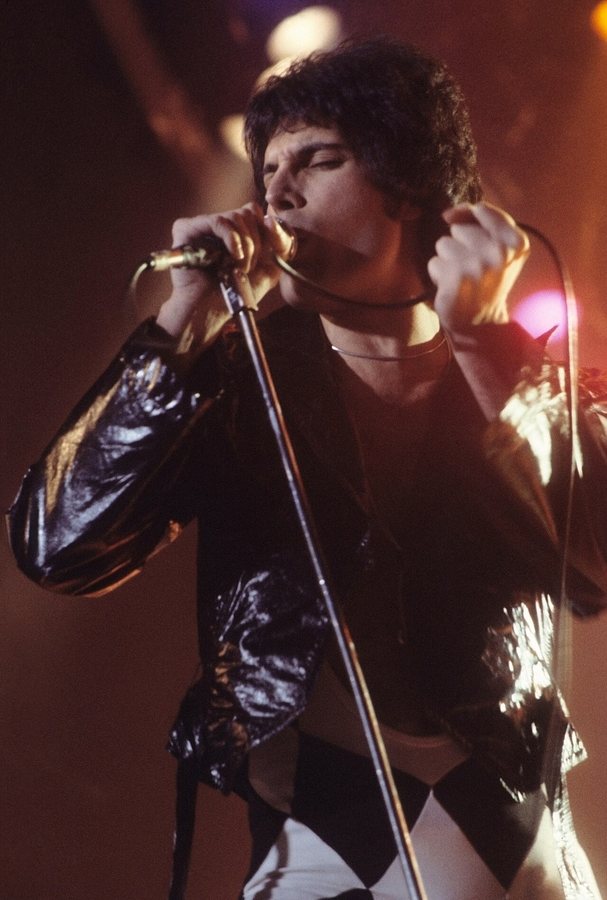
Freddie Mercury, one of the most distinctive voices in the history of popular music, is being remembered on the 80th anniversary of his birth. The Queen frontman, born Farrokh Bulsara in Zanzibar on 5 September 1946, remains a towering figure in British cultural life more than three decades after his death in 1991. His birthday this year falls at a moment when his influence continues to shape not only the music industry but also the wider conversation about artistry, identity and showmanship.
Mercury's rise from a London art college student to the lead singer of one of the world's best-selling bands is a story that still defines an era of British popular culture. Queen's blend of rock, opera and theatrical performance, driven by Mercury's flamboyant stage presence and four-octave vocal range, produced enduring anthems such as «Bohemian Rhapsody», «We Are the Champions» and «Don't Stop Me Now». The band's 1985 Live Aid performance, watched by hundreds of millions, is frequently cited as one of the greatest live sets in rock history and cemented Mercury's reputation as a master of audience engagement.
The anniversary arrives as Queen's catalogue continues to generate substantial commercial success, with the band's greatest-hits compilation remaining one of the best-selling albums in British chart history. The 2018 biographical film «Bohemian Rhapsody» reintroduced Mercury to a new generation, grossing more than $900 million worldwide and winning multiple awards, including four Oscars. That renewed interest has kept his work in the public eye and prompted fresh assessments of his contribution to music and popular culture.
Mercury's legacy extends beyond the stage. Born to Parsi parents in East Africa and educated in India before moving to England as a teenager, he became a symbol of the multicultural character of modern British life. His decision to change his name and craft a public persona reflected a deliberate artistic reinvention that has been studied by cultural commentators and biographers. His private life, including his diagnosis with AIDS, which he disclosed only the day before his death, has also become part of a broader social history of the 1980s and the fight against the disease.
In the years since his death, Mercury has been honoured with statues, exhibitions and academic studies. A bronze statue stands above the stage at the Dominion Theatre in London's West End, where the musical «We Will Rock You» ran for more than a decade. The Freddie Mercury Collection at the University of Sussex holds his personal papers and costumes, making them available to researchers. His childhood home in Feltham, west London, has been preserved by fans, and his garden retreat in Montreux, Switzerland, where he spent his final years, has become a pilgrimage site for admirers.
The anniversary also highlights the enduring commercial and cultural power of the Queen brand. The band's music remains a staple of sporting events, advertising campaigns and film soundtracks, while Mercury's solo work, including the 1987 hit «The Great Pretender», continues to find new audiences. Industry figures show that Queen's recordings still sell in significant volumes each year, a rarity for artists whose peak activity occurred in the 1970s and 1980s.
For fans and cultural historians alike, the 80th anniversary offers an opportunity to reflect on how a shy, private individual transformed himself into one of the most recognisable performers in the world. Mercury's ability to connect with audiences across generations and national boundaries is widely regarded as his defining achievement, and his influence shows little sign of fading. As tributes are published and events are planned to mark the date, the consensus among commentators is that his work remains as vital now as it was during his lifetime.
77