Business 4 min read By Arthur Ellington
Bezos Says Success Is Not Villainy as Wealth Backlash Grows
Jeff Bezos has pushed back against the idea that extreme wealth is inherently wrong, arguing that people have been taught an oppressor-oppressed framework that mislabels success as villainy. His comments come as polling shows growing scepticism among younger Americans about billionaire fortunes.
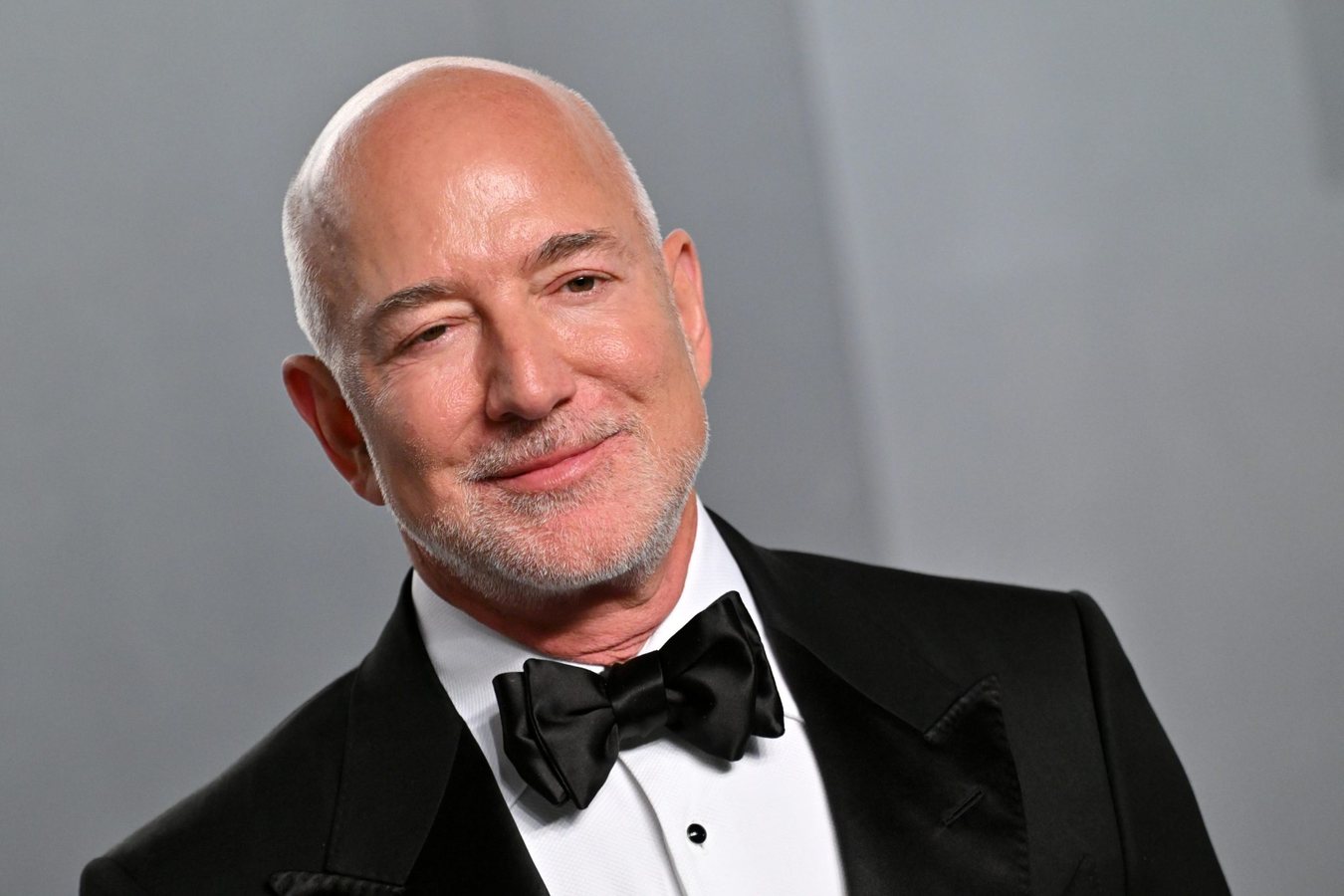
Jeff Bezos has rejected the notion that extreme wealth should be treated as a moral failing, arguing that people have been taught to view success through a distorted lens. In an interview with Fox News, the Amazon founder said that some have absorbed an «oppressor/oppressed framework» that casts achievement as villainy. «Success is not villainy,» he said. «You can be a billionaire if you started a hamburger stand.»
Bezos, who founded Amazon as an online bookstore in his garage in 1994 and has since seen it become the top-ranked company on the Fortune 500, pointed to a hypothetical entrepreneur who begins with a small food stand employing around ten people, expands it into a chain with thousands of locations and staff, and eventually accumulates a billion-dollar fortune. «This is how it works,» he said. «There’s nothing wrong with making unbelievably good chicken that people love. And it doesn’t make him a bad person.»
The remarks arrive amid rising public scepticism about billionaire wealth, particularly among younger generations. A 2025 Pew Research study found that 18% of Americans consider being extremely rich to be «morally wrong», a figure that rises to about 33% among Gen Z adults aged 18 to 29. Meanwhile, global billionaire fortunes reached a record $18.3 trillion in 2025, according to Oxfam, even as home ownership feels increasingly out of reach for many younger households.
Bezos acknowledged that the United States faces genuine affordability problems. «You can’t pretend there’s no problems,» he said, noting that young people look at housing costs and worry they will have to live two hours from their jobs. But he argued that voters should be wary of politicians who focus on assigning blame rather than fixing underlying issues. He said executives at his companies, including Amazon, Blue Origin and Prometheus, would be removed quickly if they pointed fingers instead of addressing root causes.
Earlier this year, Bezos floated a proposal to eliminate federal income taxes for the bottom half of US earners, roughly 76 million households. «The bottom half of income earners in this country pay only 3% of the taxes,» he told CNBC in May. «I think it should be zero.» He cited a hypothetical health care worker in Queens earning $75,000 a year who pays more than $1,000 a month in taxes, calling it «kind of absurd» and saying the nurse should be sent an apology rather than a tax bill.
Bezos is not alone among billionaire chief executives in defending success against vilification. Former Starbucks CEO Howard Schultz, whose net worth is about $3.4 billion, told a US Senate committee in 2023 that he grew up in federally subsidised housing and earned his fortune through hard work. «Yes, I have billions of dollars. I earned it. No one gave it to me,» he said. JPMorgan Chase CEO Jamie Dimon, worth around $3 billion, told 60 Minutes in 2019 that while wealth inequality concerns are valid, wealthy people should not be vilified simply for succeeding. «I think you should vilify Nazis, but you shouldn’t vilify people who’ve worked hard to accomplish things,» he said.
The debate over billionaire wealth is likely to intensify as affordability pressures persist and political leaders search for solutions that address housing, taxation and economic mobility. Bezos’s argument places him firmly on the side of those who contend that wealth creation, rather than being a problem to be punished, is a mechanism that can lift living standards when the underlying barriers to opportunity are tackled directly.
5