Business 6 min read By Alice Ashford
Shein’s Hong Kong IPO pricing values company at $26.5 billion, sources say
Fast-fashion retailer Shein is set to price its Hong Kong initial public offering at a valuation of $26.5 billion, according to sources familiar with the matter, a significant markdown from its previous $100 billion peak.
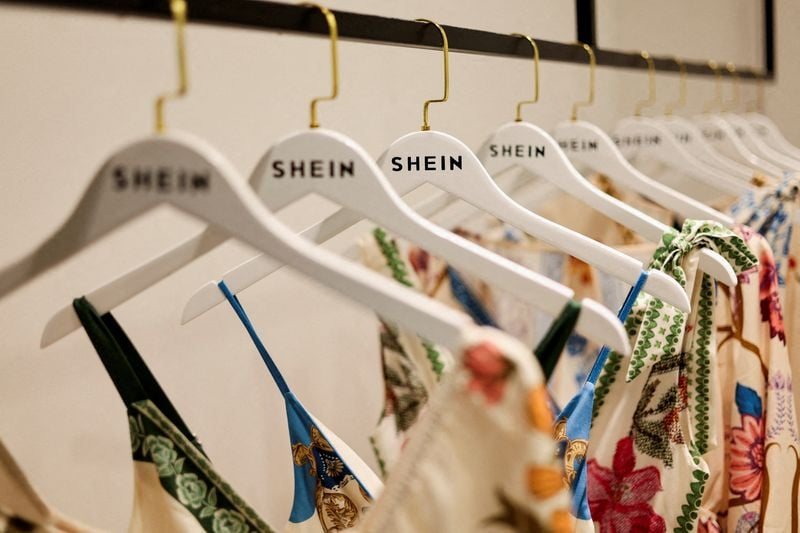
Fast-fashion giant Shein is preparing to price its Hong Kong initial public offering at a valuation of roughly $26.5 billion, according to sources familiar with the matter, in a deal that would mark one of the most closely watched listings of the year for the global retail sector.
The valuation represents a steep decline from the company’s previous private market peak of $100 billion in 2022, reflecting a broader recalibration of investor expectations for high-growth e-commerce businesses amid rising geopolitical tensions and regulatory scrutiny. The pricing, reported by sources with knowledge of the transaction, underscores the challenges Shein has faced in its transition from a private darling of venture capital to a publicly traded company.
Shein, founded in China and now headquartered in Singapore, has built its business on a data-driven supply chain that allows it to produce small batches of trendy apparel at rapid speed, selling directly to consumers in more than 150 countries. The company’s low-cost model has disrupted traditional fast-fashion retailers, but it has also drawn criticism over labour practices, environmental impact, and the use of US tariff exemptions for low-value shipments.
The Hong Kong listing follows a series of aborted attempts to go public elsewhere. Shein had previously explored an initial public offering in New York, but those plans were shelved amid resistance from US lawmakers and regulators concerned about the company’s supply chain and its ties to China. The shift to Hong Kong, while logistically smoother for a company with deep roots in the region, exposes it to a different set of investor dynamics, including a market that has struggled with a prolonged downturn in listings and valuations.
At $26.5 billion, the company would still rank among the largest consumer listings in Hong Kong in recent years, though the figure is a fraction of the sums once anticipated. The pricing suggests that Shein’s investors, including private equity firms and sovereign wealth funds, have accepted a more conservative assessment of the company’s growth prospects and the regulatory headwinds it faces in key markets such as the United States and Europe.
The company’s revenue growth, while still robust, has slowed from the explosive pace of the pandemic era, and its profitability has come under pressure from rising shipping costs, increased competition from rivals such as Temu, and the need to invest in compliance and sustainability initiatives to appease regulators and consumers. Shein has also faced legal challenges, including lawsuits from established fashion brands alleging design infringement, and has been forced to defend its labour practices in its manufacturing base in southern China.
For Hong Kong, the listing provides a much-needed boost to a stock exchange that has seen a sharp decline in IPO activity over the past two years. The city has been working to attract large international companies to list, offering incentives and streamlining approval processes, but has struggled to compete with the depth and liquidity of US markets. A successful Shein listing could signal a turning point, though the discounted valuation may temper enthusiasm.
The final pricing is expected to be confirmed in the coming days, with trading set to begin shortly thereafter. The sources, who spoke on condition of anonymity because the details are private, said the company is targeting a listing that would raise several billion dollars, with proceeds earmarked for general corporate purposes and potential investments in supply chain technology and logistics.
Shein’s journey to the public markets has been anything but straightforward. The company, which began as a wedding dress seller in 2008, pivoted to fast fashion and grew rapidly by leveraging social media influencers and a hyper-efficient production model. Its ability to bring new styles to market in days, rather than months, upended the industry and made it a favourite among younger shoppers, particularly in the US and Europe.
However, its success has also made it a target. The company has been investigated by regulators in multiple jurisdictions over its use of the de minimis exemption, which allows shipments under $800 to enter the US duty-free, and has faced calls for greater transparency about its supply chain. In Europe, it has been pressed on issues ranging from data privacy to the environmental cost of ultra-fast fashion.
The Hong Kong listing will test whether investors are willing to look past these controversies in exchange for exposure to one of the world’s most efficient retail operations. The $26.5 billion valuation, while a far cry from earlier expectations, still implies confidence in the company’s ability to generate cash and grow its customer base, even as the global regulatory environment becomes more demanding.
Analysts will be watching the debut closely for signals about the health of the broader IPO market and the appetite for consumer stocks in Asia. A strong performance could encourage other companies to follow suit, while a weak one would reinforce the cautious mood that has dominated global equity markets in recent months.
46