Business 4 min read By Bethany Hadley
Musk's political baggage clouds prospects for SpaceX-Tesla deal
Elon Musk's increasingly vocal political interventions are complicating any potential combination between SpaceX and Tesla, with investors and analysts warning that his public profile could weigh on both companies' valuations and regulatory prospects.
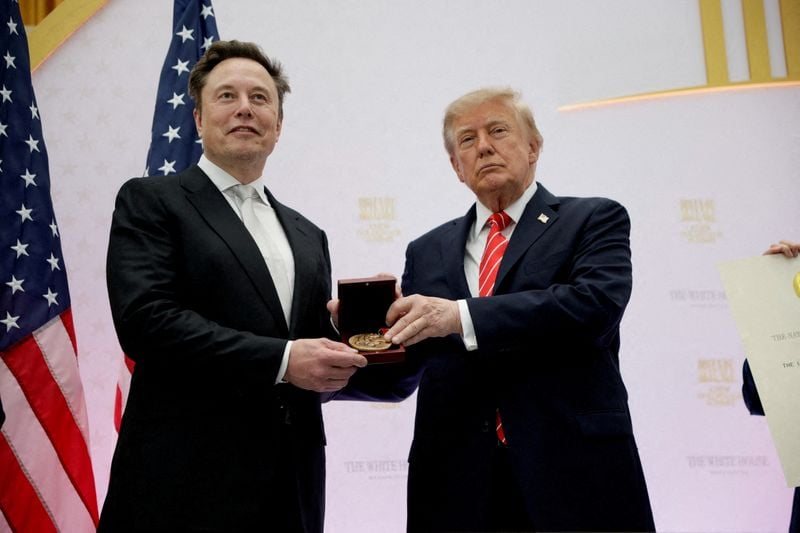
Elon Musk's growing political footprint is casting a shadow over any potential deal between SpaceX and Tesla, with analysts warning that the billionaire's public interventions could complicate both the strategic logic and the regulatory path for a combination of his two most valuable companies.
The prospect of a tie-up between the rocket manufacturer and the electric carmaker has long been a topic of speculation among investors, who see potential benefits in sharing capital, engineering talent and Musk's attention. But the entrepreneur's increasingly partisan political activity — including high-profile endorsements, government advisory roles and frequent commentary on contentious social issues — has introduced a new variable that could weigh on both businesses.
Analysts note that Musk's political profile cuts both ways. For Tesla, whose customer base has historically skewed toward environmentally conscious buyers, overt political positioning risks alienating a segment of its market, particularly in Europe and parts of the United States where his views have drawn criticism. For SpaceX, which depends heavily on government contracts from NASA and the Department of Defense, political entanglement raises questions about conflicts of interest and the durability of those relationships across changing administrations.
The regulatory dimension is equally significant. Any formal combination of SpaceX and Tesla would likely face scrutiny from competition authorities and could invite political attention that a lower-profile transaction might avoid. Musk's visibility makes him a lightning rod for congressional hearings, regulatory inquiries and media coverage that could slow or complicate approval processes.
Investors have also flagged governance concerns. A combined entity would concentrate enormous influence in a single individual whose public statements have periodically moved markets, including Tesla's share price. Some shareholders have questioned whether Musk's political activities distract from operational leadership at a time when both companies face intensifying competition — Tesla from Chinese and legacy automakers in the electric vehicle market, and SpaceX from rivals in the commercial launch and satellite sectors.
The strategic rationale for a deal remains contested. Supporters argue that merging the companies could create efficiencies in manufacturing, materials science and artificial intelligence research, and would simplify Musk's sprawling business empire. Critics counter that the two businesses have fundamentally different capital structures, risk profiles and customer bases, and that a combination could destroy value rather than create it.
Musk has not confirmed any plans for a transaction, and neither company has commented on the speculation. But the debate illustrates a broader tension in modern markets: the personal political brand of a founder can become a material factor in corporate strategy, affecting everything from customer sentiment to government relations.
For British investors with exposure to Musk's companies, the question is whether his political capital is an asset or a liability. The answer may depend less on his personal popularity than on whether regulators and governments treat his businesses differently because of who he is. That uncertainty is likely to persist as long as Musk remains both a businessman and a political figure.
3