Business 5 min read By Bethany Hadley
Meta’s $17.1bn child safety settlement tied to rivals’ compliance
Meta’s landmark $17.1 billion child safety settlement with US states is contingent on TikTok and YouTube adopting comparable safeguards, a structure that reverses the logic of the 1998 tobacco deal and leaves the company’s broader legal exposure unresolved.
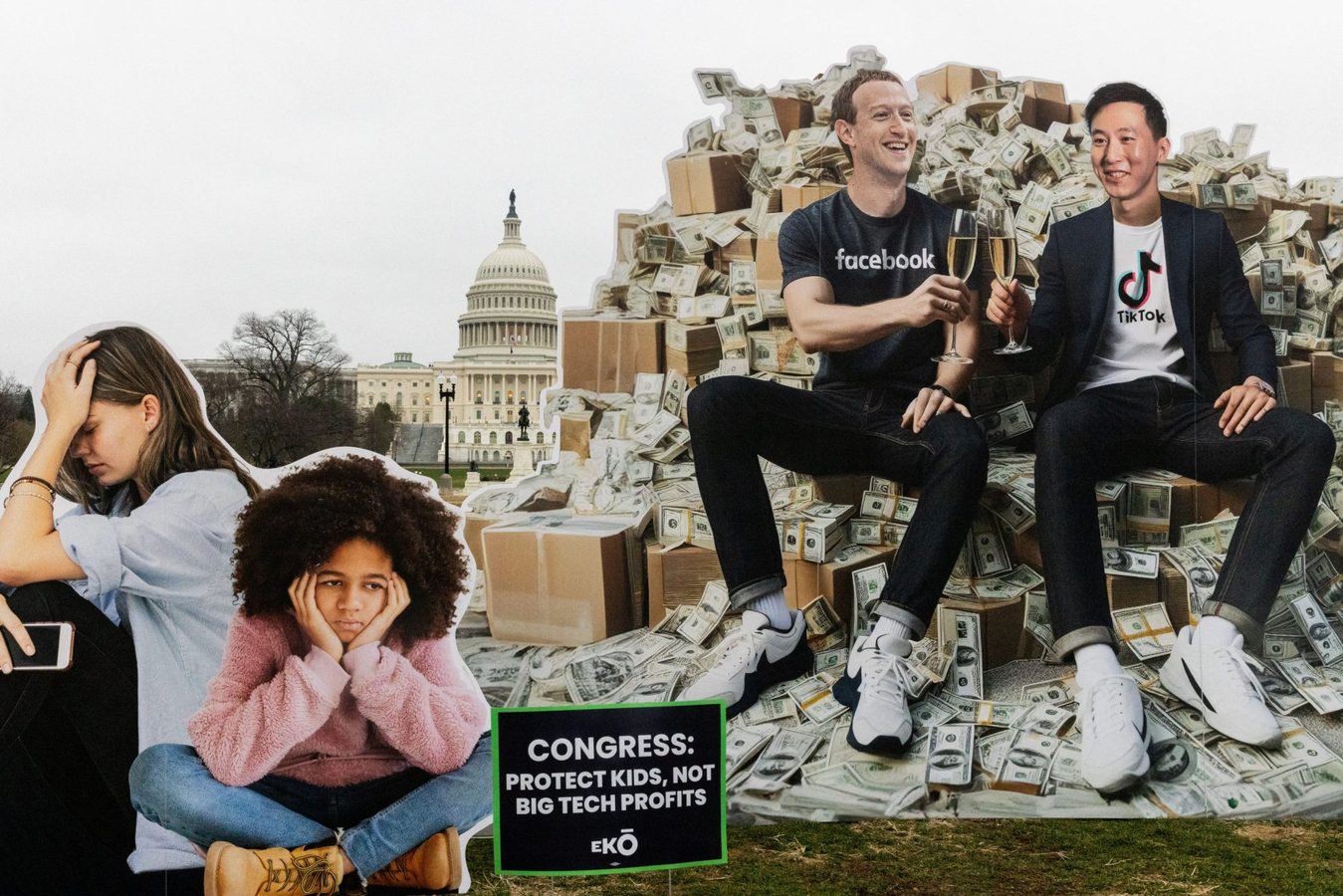
Meta’s headline-grabbing $17.1 billion child safety settlement with a bipartisan group of US state attorneys general is not a straightforward payout. The company has structured the deal so that a significant portion of the money is only released if rivals TikTok and YouTube agree to match its new safety framework, a condition that has drawn comparisons to the 1998 tobacco Master Settlement Agreement — but with the logic reversed.
California Attorney General Rob Bonta, whose office led the case, put the settlement at “up to $17 billion,” citing Meta’s own guaranteed figure of $12.7 billion. The District of Columbia’s attorney general, Brian Schwalb, placed the guaranteed floor at $12.1 billion, with an additional $5 billion contingent on other platforms joining. Connecticut Attorney General William Tong cited yet another guaranteed number, $12.19 billion, and explicitly named the condition: TikTok, YouTube, and Snapchat, each facing state enforcement actions, must agree to “comparable safety terms and monetary relief” before Meta owes the remainder. “To TikTok, YouTube and Snapchat, our expectations are clear. You’re next,” Tong said.
Meta’s own accounting arrives at a similar place with slightly different figures: an $18 billion total, 70% ($12.7 billion) guaranteed, and 30% ($5.3 billion) released only if TikTok and YouTube each adopt a one-hour daily time limit, night mode, and age assurance measures matching Meta’s, and each pays a matching share. The company paired the announcement with a public campaign aimed at those rivals, posting an open letter the same day the settlement was announced.
Chief Legal Officer C.J. Mahoney framed the deal as an industry-wide intervention rather than a mere legal resolution. “Our new Time Limit commitments, Night Mode features, and usage limits during school hours set the right path forward for our whole industry, but this framework will only work if all our peers join us,” he said. “Because teens move fluidly across dozens of apps, we need an industry-wide solution. We therefore call on our industry peers, TikTok and YouTube, to implement this new framework, right away.” Neither TikTok nor YouTube responded to requests for comment on Meta’s call.
The structure inverts the tobacco settlement’s approach. In 1998, participating manufacturers’ payments were adjusted downward if they lost market share to companies that never signed the deal, protecting signatories from being undercut by holdouts. Meta’s clause does the reverse: it withholds its own money to pressure companies that were never sued in this case into adopting rules voluntarily.
Legal observers note the unusual nature of the arrangement. Jess Nall, a California litigator at Withers who has spent 25 years defending tech companies, told Fortune that “there’s definitely nothing really about this that’s all that normal.” She pointed out that the $17.1 billion figure, spread over ten years, represents roughly 1% of Meta’s $1.46 trillion market cap. “It’s a huge dollar amount, it sounds really splashy. Although, if you look at it being paid over 10 years and compare it to Meta’s annual revenue and market cap, it’s not really all that big.”
Nall said the contingency clause reinforces an argument Meta has made throughout the litigation: that causation cannot be proven because social media users move across multiple platforms. “So it makes sense that they would require participation by these other companies as well as part of this.” She added that the settlement does not resolve Meta’s broader exposure, with thousands of private plaintiff lawsuits still pending on similar issues, and that conceding platform changes “is tantamount toward an admission that whatever they had in the past was problematic.”
The underlying Section 230 and First Amendment questions, she said, reach “every AI company and every AI startup” as Washington debates AI regulation. “This is a big thing, but it’s a speed bump on the long highway that we’re going to keep on driving for a couple of years.”
57