Business 3 min read By Arthur Ellington
Gap CEO Richard Dickson bets on cultural relevance to revive the brand
Gap Inc. CEO Richard Dickson is applying the strategy that revived Barbie at Mattel to the struggling apparel chain, betting on celebrity collaborations and brand heritage to reconnect with consumers and drive sales growth.
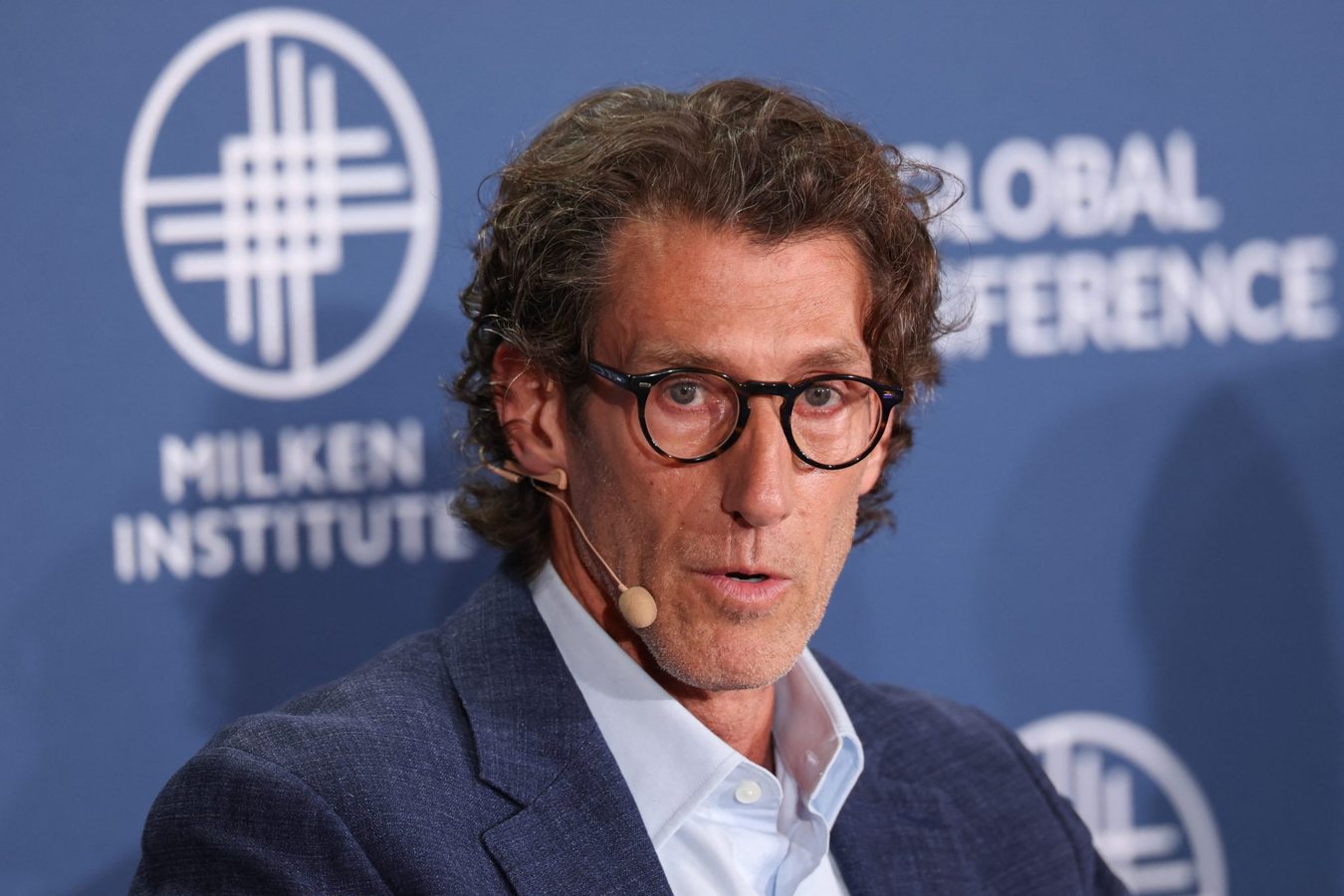
Gap Inc. chief executive Richard Dickson is applying the playbook that revived Barbie at Mattel to his current challenge: turning around the struggling American apparel chain. His central theory, outlined during an interview at the remodeled Gap flagship store in Manhattan's Flatiron District, is that a brand cannot sell its way out of irrelevance.
Dickson, who took the helm in 2023 after Gap cycled through five CEOs in five years, is betting on cultural connection rather than discounting. The strategy is visible in the flagship's walls, where framed photographs by Annie Leibovitz and Bruce Weber showing Debbie Harry, Willie Nelson, and Lauren Hutton in classic American casualwear sit alongside images of Hailey Bieber, a contemporary «Gap girl» promoting her denim line with the brand. The juxtaposition is deliberate: Dickson wants to reconnect the namesake chain with the cultural conversation.
«We had great storytelling and brands, but somewhere along the way, we lost the story and became more about the stuff,» Dickson said. «Cultural connection and relevance actually are a fundamental part of brand management.» To that end, he brought in designer Zac Posen as Gap Inc.'s creative director and Old Navy's chief creative officer, invested heavily in celebrity collaborations, and leaned into the company's heritage.
The early results are encouraging. Gap comparable sales rose 10% in the first quarter, extending a two-year streak of growth. Its «Better in Denim» campaign with global girl group Katseye produced a viral Busby Berkeley-style dance number that has been viewed 80 million times, while a limited-edition hoodie collaboration sold briskly. Victoria Beckham, Malcolm Todd, and Inde Navarrette have also joined the effort, and Old Navy is working with Cardi B on denim.
But cultural heat is not the same as a successful turnaround. Many apparel retailers have seen sales growth this year, but some of that is attributable to broader inflation. The real test is whether Gap can raise prices because consumers want its t-shirts and jeans enough to pay more for them. Gap Inc. shares are down 20% this year, and the company's revival remains, as Guggenheim analyst Simeon Siegel put it, a «show-me» story.
«What is the purpose of cultural relevance?» Siegel asked. «It should be to drive revenues, and also drive prices.» That is the takeaway so far from Gap's effort. A legacy brand's past can be an asset, but only if it supplies a credible bridge to the present.
Dickson learned that lesson at Mattel, where his work reviving Barbie helped lay the groundwork for the megahit film based on the doll. At Mattel, cultural relevance came with a blockbuster ending. At Gap, the sequel is still in production.
66