

Business 6 min read By Bethany Hadley
Former Super Micro executive takes CEO post at Nvidia customer before smuggling scandal broke
Ying Cenly Chen, a former senior Super Micro Computer executive married to Nvidia's former sales chief, left the company and became CEO of ChronoScale, an Nvidia customer, days before a $2.5 billion chip smuggling case was made public. Her role is now drawing scrutiny in a shareholder lawsuit, though she has not been charged and disputes the allegations.
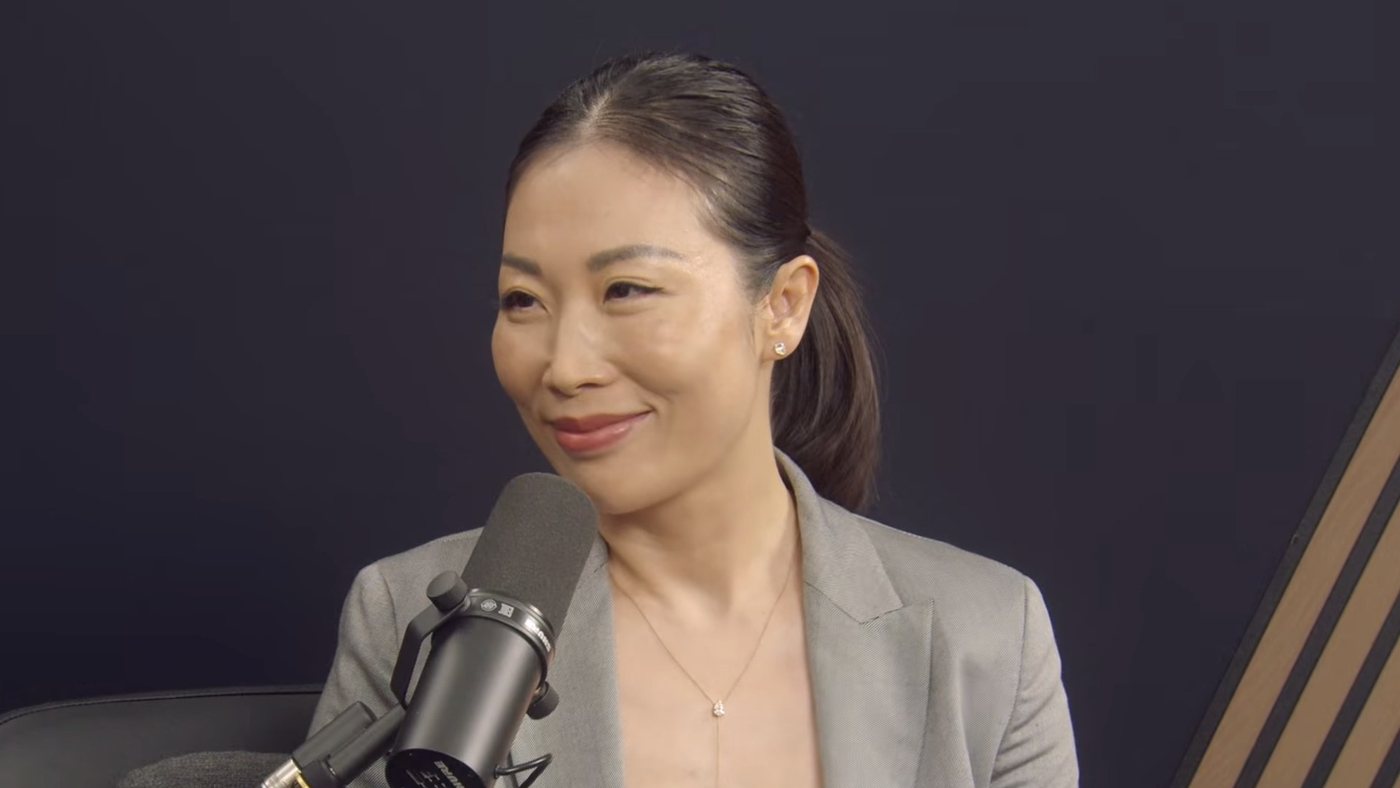
Ying Cenly Chen, a former senior executive at Super Micro Computer, has drawn attention in the widening scandal over alleged diversion of Nvidia-based servers to China. A shareholder lawsuit alleges she managed a significant share of Super Micro's purchases of Nvidia chips during the period when its hardware was allegedly sent to China. Chen is now chief executive of ChronoScale, a company with business ties to both Super Micro and Nvidia. She has not been charged, and the allegations remain unproven.
The timing of her departure is central to the questions being raised. According to the lawsuit, Chen, 50, controlled Super Micro's supply of Nvidia chips and could not have been unaware of the company's alleged illicit sales. She left Super Micro within weeks of an indictment naming co-founder Yih-Shyan "Wally" Liaw in the smuggling scheme. Chen also confirmed to Fortune that she is married to Ajay "Jay" Puri, Nvidia's longtime sales chief, who worked at the chipmaker for two decades before announcing his retirement in June.
The connection has added to the attention on Nvidia itself. Jensen Huang resigned as chief executive on November 11, and the open question is whether he knew or turned a blind eye as Nvidia chips were potentially diverted to China. Chen could hold some answers, which is why her role at ChronoScale, a developer of datacenters that rely heavily on Nvidia chips, is now under scrutiny.
Chen disputes the lawsuit's account. In emails to Fortune, she said controlling customer allocations of Nvidia chips "was not part of my job responsibility" while she worked at Super Micro. The company also denied that she controlled how its Nvidia GPUs were distributed.
Chen said she accepted the ChronoScale offer on March 10 through DocuSign, nine days before the Liaw indictment was unsealed on March 19. She said the offer documentation was completed on April 24 and that her last day at Super Micro was April 30. On that timeline, she remained chief growth officer at Super Micro for about seven weeks after accepting the ChronoScale job and about six weeks after the indictment.
The wider case is substantial. Liaw was arrested and indicted in March with two others in a sweeping $2.5 billion smuggling case. Liaw has pleaded not guilty, while one co-defendant, Ting-Wei "Willy" Sun, has pleaded guilty. Super Micro has said it is itself a victim and is cooperating with authorities. Neither Super Micro's chief executive, Charles Liang, nor the company has been named as a target of the alleged scheme, and regulators have not named ChronoScale as the subject of any investigation.
Liang drew attention on a May 5 earnings call, days after Chen's departure, when he told analysts that "no one" at the company other than the three indicted individuals was involved in the alleged scheme. That statement came while a board-led investigation launched after Liaw's arrest was still under way. The investigation concluded in August with a finding that its team "did not find any evidence that any current member of senior management had knowledge" of the scheme. By then Chen had become chief executive of ChronoScale.
ChronoScale is an AI cloud company based in Silicon Valley, formed on May 5, 2026, when data-center developer Applied Digital merged its GPU cloud subsidiary into Ekso Bionics Holdings, a Nasdaq-listed maker of robotic exoskeletons. The combined company renamed itself ChronoScale, and Applied Digital owns about 96 percent of it.
A separate securities class action, filed on October 9 in federal court in San Francisco by investors, targets Super Micro, Liang and other executives. It claims they misled shareholders about company sales and export compliance while servers were allegedly diverted to China, and that investors lost money when the March indictment by federal prosecutors in Manhattan sent the stock falling. Former employees who are not named in the filing allege that Chen controlled the supply of Nvidia chips and left because of the government's smuggling investigation. Chen is not a defendant in that lawsuit and has not been accused of wrongdoing by any government agency.
Chen worked at Super Micro from March 2008 to April 2026, most recently as chief growth officer and senior vice president. The complaint describes her as a force inside the company who reported directly to Liang and led a sales team it says accounted for approximately 80 percent of total sales. Puri and Nvidia declined to comment on the matter. Super Micro, for its part, said Chen voluntarily resigned in early 2026 to take the chief executive role at ChronoScale after 18 years with the company.
Source: fortune.com
61