Business 4 min read By Bethany Hadley
European and Chinese carmakers launch product blitz at Paris Motor Show
European and Chinese manufacturers are unveiling a wave of new models at the Paris Motor Show, intensifying competition for market share in the electric vehicle sector.
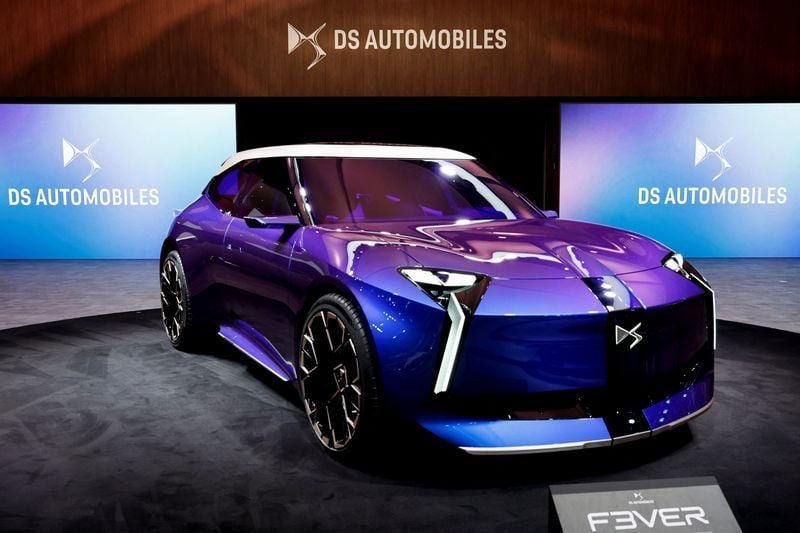
European and Chinese carmakers have launched a barrage of new vehicle models at the Paris Motor Show, as both sides battle for dominance in the rapidly evolving electric vehicle market. The event, which opened this week, has become a stage for manufacturers to showcase their latest offerings and signal their intentions in a sector marked by fierce competition and shifting consumer demands.
The Paris show, one of the industry's most prominent gatherings, has drawn major players from Europe and China, each eager to capture a larger slice of the global automotive market. European brands, long established in the region, are under pressure to accelerate their electric transitions and defend their home turf against a surge of Chinese entrants offering competitive pricing and advanced technology. Chinese manufacturers, meanwhile, are using the event to demonstrate their growing capabilities and to expand their footprint in Europe, a key market for their international ambitions.
The product blitz reflects the broader strategic stakes. Automakers are investing billions in electric platforms, battery technology, and software, aiming to meet stringent emissions regulations and changing consumer preferences. The Paris show serves as a critical barometer of these efforts, with executives using the platform to outline their visions and unveil vehicles that they hope will resonate with buyers. The competition is not just about product launches but also about building brand trust, establishing supply chains, and navigating complex regulatory landscapes.
For European carmakers, the challenge is twofold: they must innovate quickly to keep pace with technological advancements while also managing the cost pressures of transitioning away from internal combustion engines. Chinese firms, many of which have honed their expertise in the world's largest EV market, are bringing a combination of affordability and features that appeal to European consumers. This has prompted concerns among some European executives and policymakers about the need for a level playing field and support for domestic industry.
The Paris Motor Show has historically been a venue for setting the tone for the industry's direction. This year, the emphasis on electric vehicles is unmistakable, with nearly every major announcement centred on battery-powered models or hybrid solutions. The sheer volume of new introductions underscores the urgency felt across the sector, as companies race to secure their positions in a market that is expected to grow substantially in the coming years.
Analysts note that the outcome of this competition will have far-reaching implications for jobs, investment, and industrial policy across Europe. The automotive sector is a major employer and a cornerstone of many national economies, making the shift to electric vehicles a matter of significant public interest. Governments have introduced incentives and regulations to spur adoption, but the pace of change varies across countries, adding another layer of complexity for manufacturers.
As the show progresses, attention will focus on how consumers and investors respond to the new models. The success of these launches will be measured not only in sales figures but also in their ability to shape perceptions and drive the industry toward a more sustainable future. For now, the message from Paris is clear: the battle for market share is intensifying, and both European and Chinese automakers are determined to lead.
9