
Business 5 min read By Callum Montgomery
Anthropic’s IPO fuels a luxury watch boom in San Francisco
A luxury watch marketplace CEO says buyers in San Francisco are spending more per order as AI wealth from a wave of tech IPOs flows into rare, high-priced goods.
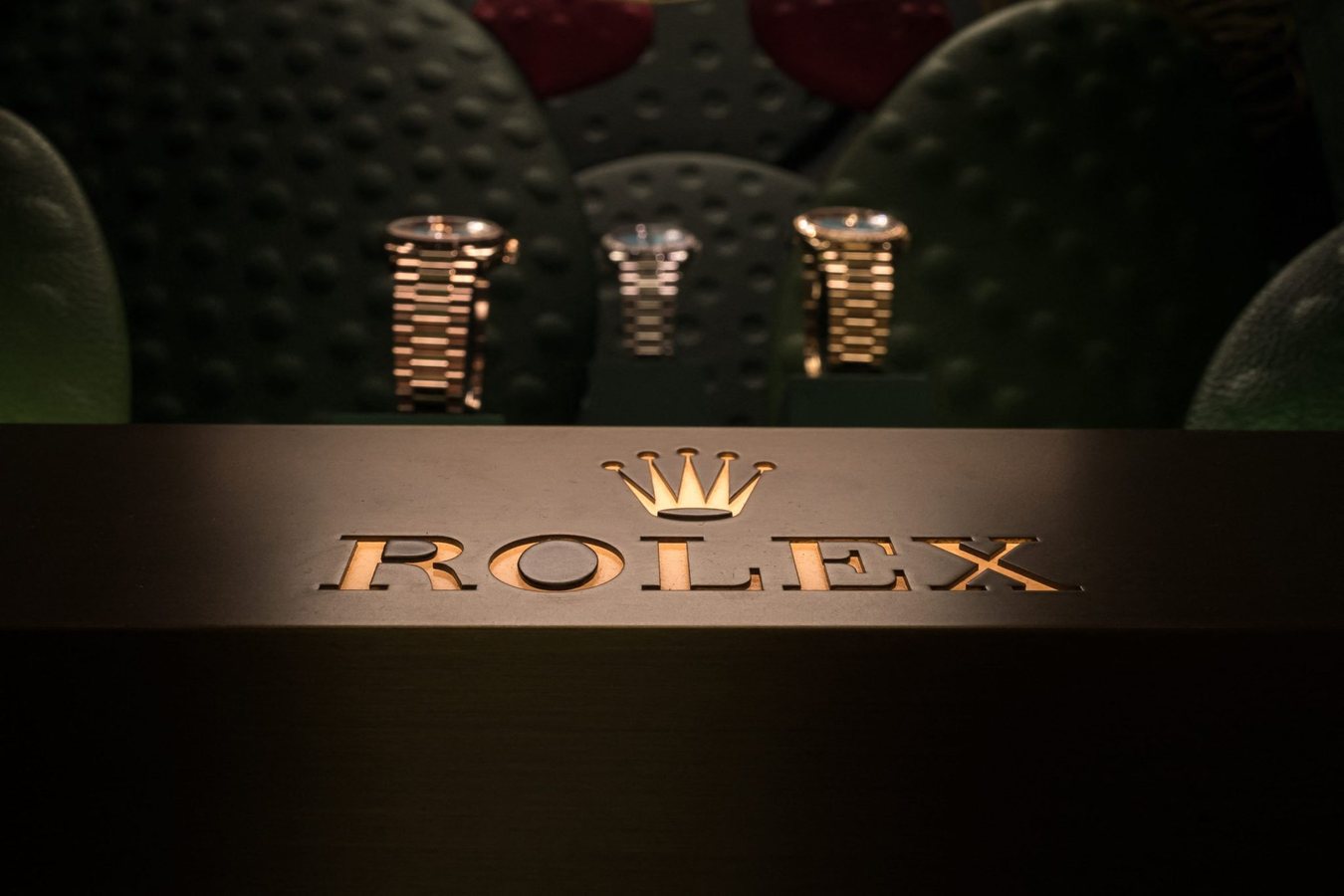
Demand for rare luxury goods is climbing in San Francisco, and the CEO of watch marketplace Bezel argues that the AI-driven wave of public listings will push it higher still. Average order value in the city has reached about $14,350, roughly $2,000 above the company’s average elsewhere, and the gap is widening as newly minted tech wealth searches for things artificial intelligence cannot produce.
The backdrop is an unusually large listing. Anthropic is going public this week at an expected valuation of up to about $1.4 trillion, with its order book reportedly closing at bids for about six times the shares on offer. Including a private placement, the company is seeking to raise up to about $90 billion, which would make it the largest IPO raise on record, surpassing SpaceX’s haul from only five months earlier. The CEO estimates the listing could turn about 4,250 Anthropic employees, roughly 80 per cent of the workforce, into millionaires, along with well over 1,000 deca-millionaires.
The author, who previously worked at Google before founding Bezel, argues that the money will not flow only into homes and charitable giving, though both are happening. More than 210 San Francisco homes have sold for $1 million or more above list price this year, according to Bloomberg, and about half of Anthropic employees have pledged to donate part of their equity. The more important effect, in the CEO’s view, is on consumption. As AI makes software, content and services cheap and abundant, status is shifting towards goods that feel scarce, handmade, nostalgic and grounded, what he describes as “unsloppable” items.
Bezel’s own figures appear to support that view. San Francisco sales have more than doubled this year and have grown roughly sevenfold over two years. In 2024, a San Francisco order was about 30 per cent smaller than the company’s average elsewhere. This year it is larger, and about 14 per cent of San Francisco orders exceed $25,000, twice the rate seen in other markets. Buyers are trading up rather than simply buying more.
Watch culture within tech is also becoming more visible. The CEO describes several “Founders x Watches” group chats that generate more than 100 notifications a day, and says he is a recurring guest on the TBPN show to discuss what senior executives wear. He cites OpenAI chief executive Sam Altman commissioning seven six-figure custom watches from Vanguart, a Swiss independent brand that has produced fewer than 200 watches in its history, and says Mark Zuckerberg has assembled an impressive collection of hard-to-find pieces. The Patek Philippe Aquanaut, he notes, has become an informal first purchase for recently exited founders, with the price of a steel 5167 up about 35 per cent this year, according to Bezel’s pricing data.
The trend extends beyond San Francisco. Bezel says it broke its individual sales record every month from August to October, ending with the sale of a $4.1 million Richard Mille. Earlier this month, Phillips held what it described as the largest watch auction in history, raising $112.3 million, with the top lot, an F.P. Journe, selling for $10.59 million. Data from the Federation of the Swiss Watch Industry show export volumes have fallen about 43 per cent since 2016 while export value has risen about 32 per cent, a pattern the CEO summarises as fewer watches, higher prices and longer waitlists.
He argues the same dynamic is visible across the upper end of the luxury market, including playoff tickets, fine art, old wine, graded collectibles, waitlisted cars and bags. During June’s NBA Finals, the average Knicks ticket at Madison Square Garden reached about $6,500 according to SeatGeek, more than triple the previous Finals record. Christie’s, Sotheby’s and Phillips grew auction sales by 71, 59 and 60 per cent respectively in the first half of 2026.
The CEO expects the boom to continue, pointing to late-stage IPO candidates next year, including OpenAI, Databricks, Stripe and Anduril, whose listings could create further wealth and new buyers. Whether such forecasts hold will depend on market conditions, but for now the luxury sector appears to be pricing in a sustained surge of AI-generated fortunes. As the CEO puts it, the more people interact with AI, the more they are willing to pay for what it cannot make.
Source: fortune.com
63