Business 4 min read By Arthur Ellington
AI era demands 'founder mode' leadership, says Fortune
Corporate leaders must adopt a hands-on, conviction-driven approach known as 'founder mode' to navigate the rapid changes brought by artificial intelligence, according to a Fortune report featuring OpenAI CEO Sam Altman and other executives.
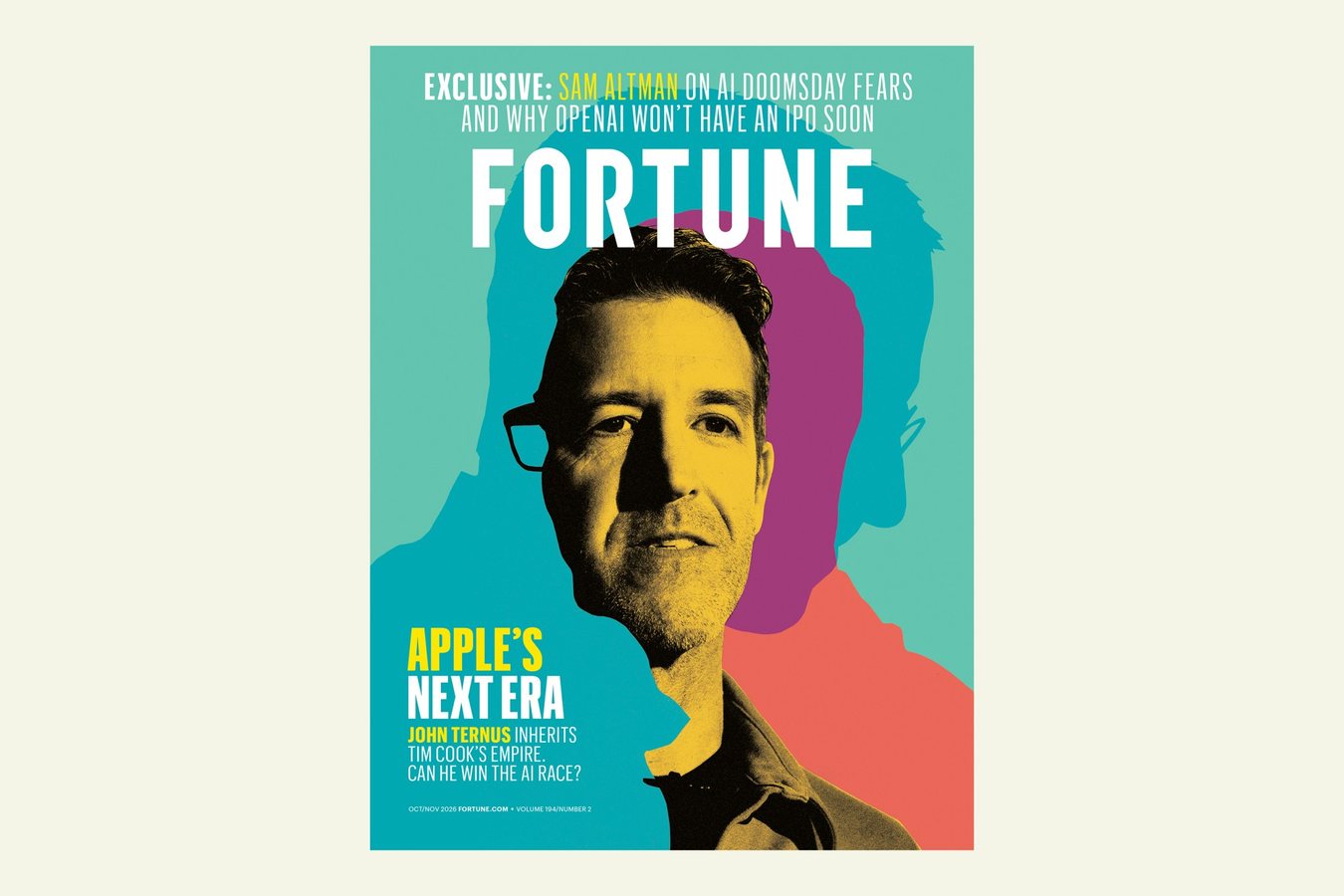
The rapid advance of artificial intelligence is forcing a fundamental shift in corporate leadership, moving away from cautious, data-driven management towards a hands-on, conviction-driven approach known as «founder mode». This term, highlighted in a recent Fortune report, describes a style that resists inherited assumptions, stays close to the work, and acts quickly to address problems. The shift comes as AI anxiety reached a fever pitch in September, when a former Anthropic researcher warned on X that the technology could destroy humanity and accused major frontier labs of «gambling with our lives».
In an exclusive hour-long conversation for Fortune’s Titans podcast, OpenAI CEO Sam Altman discussed the real risks AI poses for humanity, how quickly models are improving, and what he would do if he concluded AI could not be built safely. Altman also addressed OpenAI’s eventual IPO, calling a public offering «ill-advised» amid the current safety debate and stating it would not take place before 2027. His comments underscore the tension between rapid commercialisation and existential risk that defines the current AI landscape.
For corporate leaders, the threat is not abstract. AI is already reshaping talent, supply chains, and the very definition of good leadership. As General Motors CEO Mary Barra told Fortune, «Agility is a superpower now.» That is the posture required in a world being reshaped at astonishing speed. The winners will not merely develop an AI strategy; they will rethink what their companies can become in this era. This challenge is particularly acute at Apple, where Tim Cook’s extraordinary run was defined by operational mastery—building upon iPhone’s dominance while weaving an extraordinarily profitable global ecosystem of products, services, and retail. Now, with longtime product executive John Ternus taking the reins, Apple faces new risks and opportunities. Can it find a new way to surprise us in the AI era?
Across the business landscape, the spirit of founder mode is on display. Nikesh Arora has rebuilt Palo Alto Networks to confront cyber threats augmented by terrifyingly powerful AI. David Cote has helped make the industrial cooling company Vertiv indispensable to the data center boom. Andrew Forrest is wagering that even mining can be reinvented for a lower-carbon future. Forrest’s company, Fortescue, is one of the 50 honoured on Fortune’s 12th annual Change the World list. Then there is Travis Kalanick, perhaps the most hardcore embodiment of founder mode. The polarising Uber cofounder is back, building Atoms, an ambitious industrial robotics venture.
The term «founder mode» does not apply only to founder-CEOs. It refers to a leadership posture that resists inherited assumptions and stays close to the work. In a moment that demands both imagination and clear-eyed judgment, this approach may help leaders see not only what is changing but what it will take to lead through it. As AI continues to disrupt industries, the ability to act with agility and conviction may become the defining characteristic of successful corporate leadership.
8