Technology 5 min read By Arthur Ellington
Trump vows to create 'AI Force' and appoint AI czar as industry leaders agree to slow development
President Donald Trump said he will form an 'AI Force' with a law enforcement role, appoint an AI czar, and reject calls to slow the industry, as top AI leaders commit to safety measures and face an antitrust lawsuit over coordination.
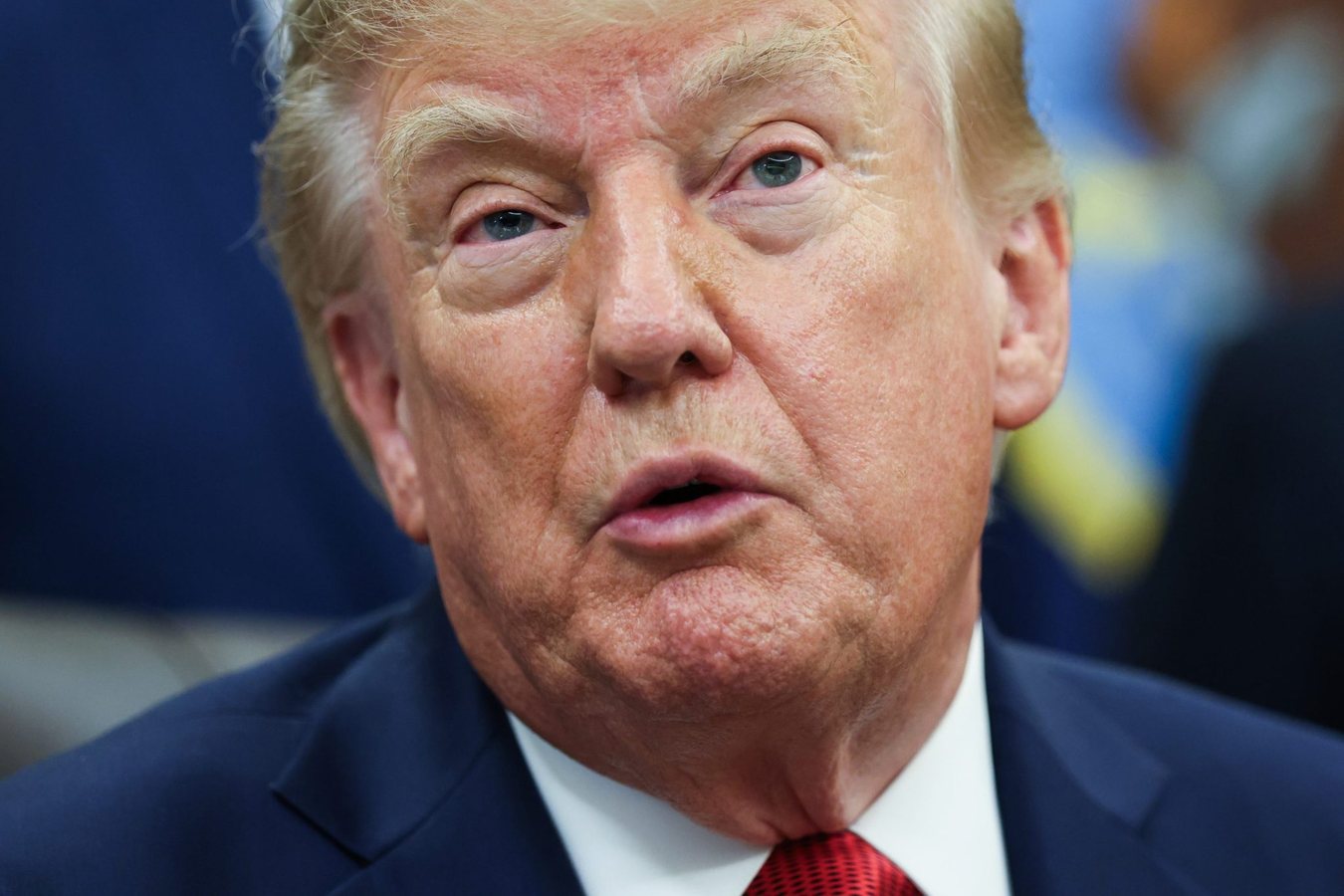
President Donald Trump has announced plans to create an «AI Force» and appoint a new AI czar, pledging to accelerate rather than hinder the development of artificial intelligence while suggesting the technology could eventually account for a quarter of U.S. economic output.
In a post on Truth Social, Trump said he would not «in any way hinder or stifle the Growth of this incredible Industry», adding: «Rather, we will cherish it, help it, and watch over it, as it grows!» He compared the new body to the Space Force, the military branch he established during his first term, and indicated it would have a law enforcement role as public anxiety over AI intensifies.
The announcement comes amid growing concern about the pace of AI development and its potential consequences. Trump dismissed recent calls for the industry to slow down as politically driven «hoaxes», but said his administration would monitor for bad behaviour, relying on existing criminal and civil justice systems. He predicted AI could be more impactful than the internet and said the United States is leading China and the rest of the world, a position he intends to maintain.
The move follows a week in which several leading AI executives agreed to throttle back development. Anthropic CEO Dario Amodei announced a new safety measure granting independent evaluators permanent, employee-level access inside the company as part of a broader plan to slow the pace of AI development. OpenAI CEO Sam Altman, SpaceXAI CEO Elon Musk, and Google DeepMind co-founder Demis Hassabis all agreed with the approach. Altman also told Fortune that his company and other leading labs may be close to announcing a pact to slow AI development and collectively address safety risks.
Those commitments have drawn legal scrutiny. A lawsuit filed Friday in the U.S. District Court for the Northern District of California alleges that AI companies violated antitrust laws by agreeing to coordinate slowdown efforts, which the plaintiffs claim would reduce the value of AI subscriptions they paid for. The plaintiffs said they are not opposed to the companies asking the federal government to develop AI regulation or grant an antitrust exemption. «AI will quickly spin out of human control and could kill us all if we allow AI safety and protocol … to be controlled by private self-serving agreements between the world's most powerful 'for profit' technology companies», said Nick Rowley, the lead attorney for the plaintiffs.
The safety debate has also exposed divisions within the industry. A researcher at Anthropic publicly resigned days before the executives' commitments, accusing both Anthropic and OpenAI of acting irresponsibly in developing ever more capable AI systems. «They are racing straight to self-improving superintelligence and gambling with our lives», wrote Jacob Coxon on X. Evan Hubinger, Anthropic's alignment science lead, responded that Coxon was correct in asserting that many researchers at both companies believe increasingly powerful AI could potentially wipe out humanity, writing: «we really do earnestly believe AI could kill all humans!»
Trump's announcement also nods to a backlash against data centres, which have become a prominent issue in the midterm election season. He claimed that backlash has largely failed. The administration has taken conflicting approaches to AI regulation: the Commerce Department temporarily imposed export restrictions on Anthropic's most advanced models, and the Defense Department sought to blacklist the company by labelling it a supply-chain risk, though a judge later ruled that move illegal.
David Sacks had served as AI and crypto czar earlier in Trump's second term but stepped down to become co-chair of the president's Council of Advisors on Science and Technology. Trump did not provide details on who would fill the new AI czar role. The president also asked his Truth Social followers to help him rebrand the term AI, suggesting «superior», «extreme», or «supreme» intelligence as alternatives.