Technology 5 min read By Bethany Hadley
Hackers Suspected in Refrigeration Failures Across European Supermarkets
Around twenty refrigeration systems in supermarkets in Belgium, Sweden, Luxembourg and Estonia failed overnight. Experts and the Pentagon are examining a possible link to cyberattacks that earlier affected hundreds of stores in France.
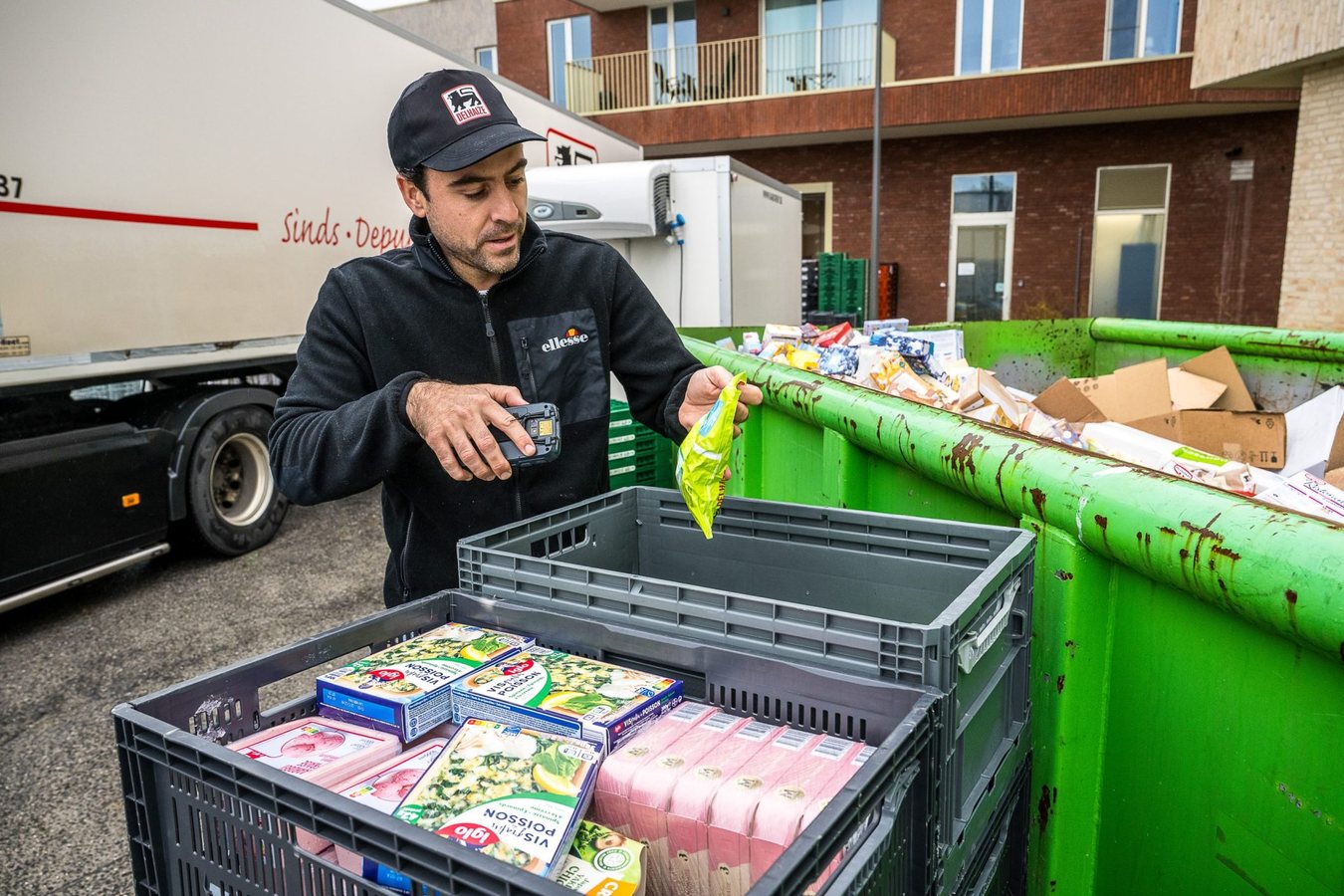
A wave of failures in refrigeration equipment has swept through supermarkets across Europe, and there are grounds to believe hackers are behind it. According to Stéphane Moelans, CEO of refrigeration equipment installer Sabcobel, around twenty refrigeration systems in Delhaize, Carrefour and Spar stores failed late on Sunday evening and overnight into Monday. He told the Belgian news agency Belga News.
The Swedish newspaper Aftonbladet reported similar failures in the ICA and Coop chains, as well as problems in Luxembourg and Estonia. "We began mobilizing technicians at one in the morning to bring the situation under control," Moelans said. "We worked all night and into the morning, disconnecting the affected installations from the network." He said the current wave of suspected cyberattacks repeats the scenario of last month's hacking of hundreds of French supermarkets, when the temperature of refrigerators and freezers was raised, spoiling products and causing small fires. Among the victims were about 80 Carrefour stores, roughly 24 Monoprix stores and 150 Intermarché stores.
The pattern of the attacks, as described, is the same. One store of the Swedish ICA chain, ICA Kvantum in Sjöbo, wrote on Facebook that overnight its refrigerators and freezers had been hacked and the temperature set to 50 degrees Celsius, or 122 degrees Fahrenheit. As a result, the store is forced to throw out its stock. "We are very sorry to throw away all this food, but we see no other option," the post said. "We are now focused on returning everything to normal." ICA told Fortune that the failures affected a limited number of stores operating through an external supplier whose networks are not part of the company's main network, and that ICA's central systems were not affected.
The European Commission did not respond to Fortune's request for comment, but in a statement it said the incident shows how cyberattacks can "disrupt services, affect businesses and directly impact the daily lives of citizens." In August, a similar refrigeration failure occurred at six U.S. military commissary stores, and the Pentagon is now investigating both the failures in French supermarkets and the incidents at the commissaries as a possible cyberattack.
Why has refrigeration equipment become a new target for hackers? Cybersecurity specialists believe it was bound to happen sooner or later. According to Nadia Kostyuk, assistant professor at the Carnegie Mellon Institute for Strategy and Technology, the more household and commercial equipment is connected to the internet, the more accessible it becomes to outside attackers and the more vulnerable to network intrusion. "Many of these devices have very interesting features, but security is not a top priority for them," Kostyuk said. "One hopes that future developments will take security into account from the start, and that existing models will be reviewed with possible attack vectors in mind."
Christopher White, associate professor in the Department of National Security and Emergency Preparedness at Virginia Commonwealth University, noted that refrigerators often use the same devices across commercial store networks. Therefore, a weak point in one system can open access to vulnerabilities in others. In addition, he said, refrigeration failures lead to direct and immediate financial losses. After the cyberattacks in France, as the local newspaper Sud Ouest reported, two chains, Intermarché and E.Leclerc, together suffered damage of about 270,000 euros, or around 300,000 dollars. "The spoiled products from these refrigerators can't be saved. It's just money thrown away," White said.
There is no official evidence of a link between the failures so far. White pointed to the closeness in timing of the French and American incidents, as well as the similarity of the affected systems. "It would be foolish not to be suspicious," he said.
Source: fortune.com
7