Technology 5 min read By Callum Montgomery
Musk says Grok Bot costs are unsustainably high relative to revenue
SpaceX's AI agent Grok Bot is attracting fast-growing paid use, but CEO Elon Musk says the cost of serving it is outpacing the revenue it brings in.
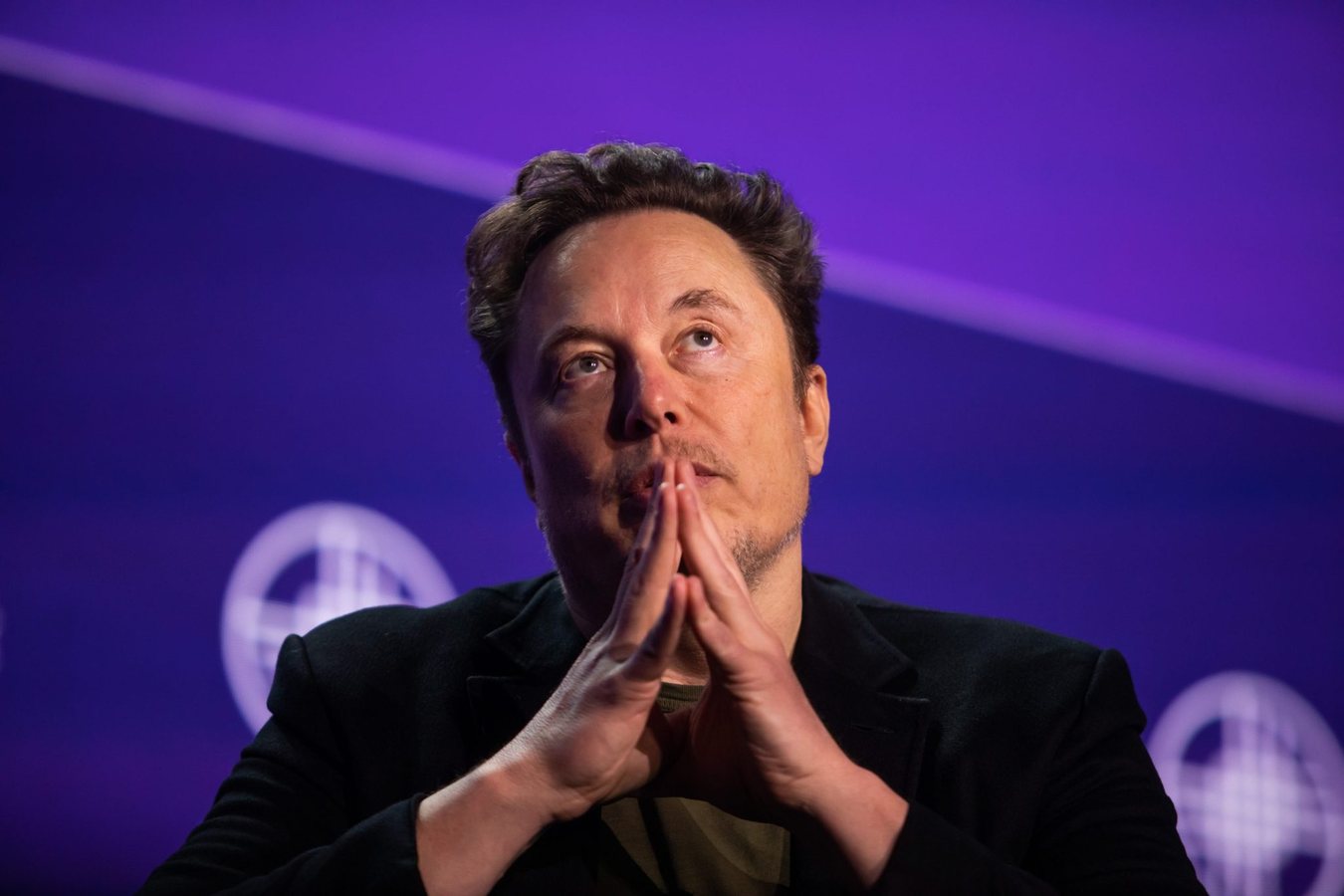
Elon Musk has said the cost of serving SpaceX's AI agent Grok Bot is « unsustainably high relative to revenue », even as the product grows rapidly. The admission, made in a post on X, highlights a pressure facing AI companies: users who pay for their services can still generate heavy costs when they rely on tools that perform more compute-intensive work.
The comments followed a Sunday exchange in which Musk responded to a user who asked him to reset their Grok Bot usage allowance after it ran out four days early. In his reply, Musk wrote that the cost of serving Grok Bot was unsustainably high relative to revenue. The remark came two weeks after SpaceX's third-quarter earnings call on October 20, when Musk told analysts that the bot was « seeing the fastest growth of a product that I've ever seen in my life ».
Grok Bot, developed by SpaceX and launched in August, is designed as an AI agent rather than a conventional chatbot. It can carry out multi-step tasks on a user's behalf, including browsing websites, drafting emails and processing invoices, and it can work across apps and websites. SpaceX President Gwynne Shotwell told analysts that Grok Bot reached 800,000 paid weekly users earlier in October, double the number in September. She said businesses were the fastest-growing category, using Grok for IT, sales, marketing and engineering.
That growth creates a cost problem. Unlike chatbots that respond to individual prompts, AI agents work through several steps to complete complex tasks, consuming more computing power. Frequent users therefore raise SpaceX's costs without necessarily paying more. Musk told analysts that customers were using Grok more each week rather than less, and that its improving capabilities were driving that use.
Meta faces a similar dilemma. Chief executive Mark Zuckerberg told analysts on Meta's October earnings call that its Muse product, which has attracted 10 million users since launching on September 8, is costly to run. The company expects to improve its compute efficiency tenfold within the next year.
The cost question sits against a wider spending picture at SpaceX. Its « Super Intelligence » division reported third-quarter revenue of $7.56 billion, up from $813 million a year earlier, and operating profit of $431 million, compared with a loss of $1.7 billion a year before. However, the company's AI capital spending exceeds that division's income. According to its SEC filing, SpaceX spent $16.4 billion on AI capital expenditure in the quarter, more than twice the division's quarterly revenue and 84% of its total $19.6 billion in third-quarter capital expenditure.
Much of the division's revenue growth came from leasing out data centre capacity to Anthropic and Google. That creates a choice over how computing power is allocated between SpaceX's own AI products and capacity rented to other companies. Musk said SpaceX aims to « split it 50-50 » between the two uses, but added that demand for Grok could change that balance. « I think Grok Bot may end up being what uses most of our Super Intelligence compute, » he said.
Demand for computing capacity remains strong, Musk said, noting that SpaceX is being pursued relentlessly by hyperscalers and smaller companies seeking compute, with contracts being renewed at higher prices per watt. « It's not impossible that we will have a six-month payback period for compute next year, » he told analysts. SpaceX did not respond to a request for comment from Fortune.
Elsewhere in the technology sector, Apple's chief executive has also pointed to rising costs. Apple reported revenue above expectations on Monday, but said it expects lower gross margins in the coming quarter because of rising memory prices, which it described as unprecedented and which are putting pressure on its prices. Together, the two cases show how the cost of hardware and computing capacity is shaping the economics of AI and consumer technology.
Source: fortune.com
4