
Technology 3 min read By Arthur Ellington
Ray Kurzweil joins startup developing brain interface using inhaled nano particles
AI pioneer Ray Kurzweil is joining Subsense, a Silicon Valley startup developing a non-surgical brain-computer interface that delivers charged nano particles through the nose. The company is in pre-clinical stages and has raised $27 million.
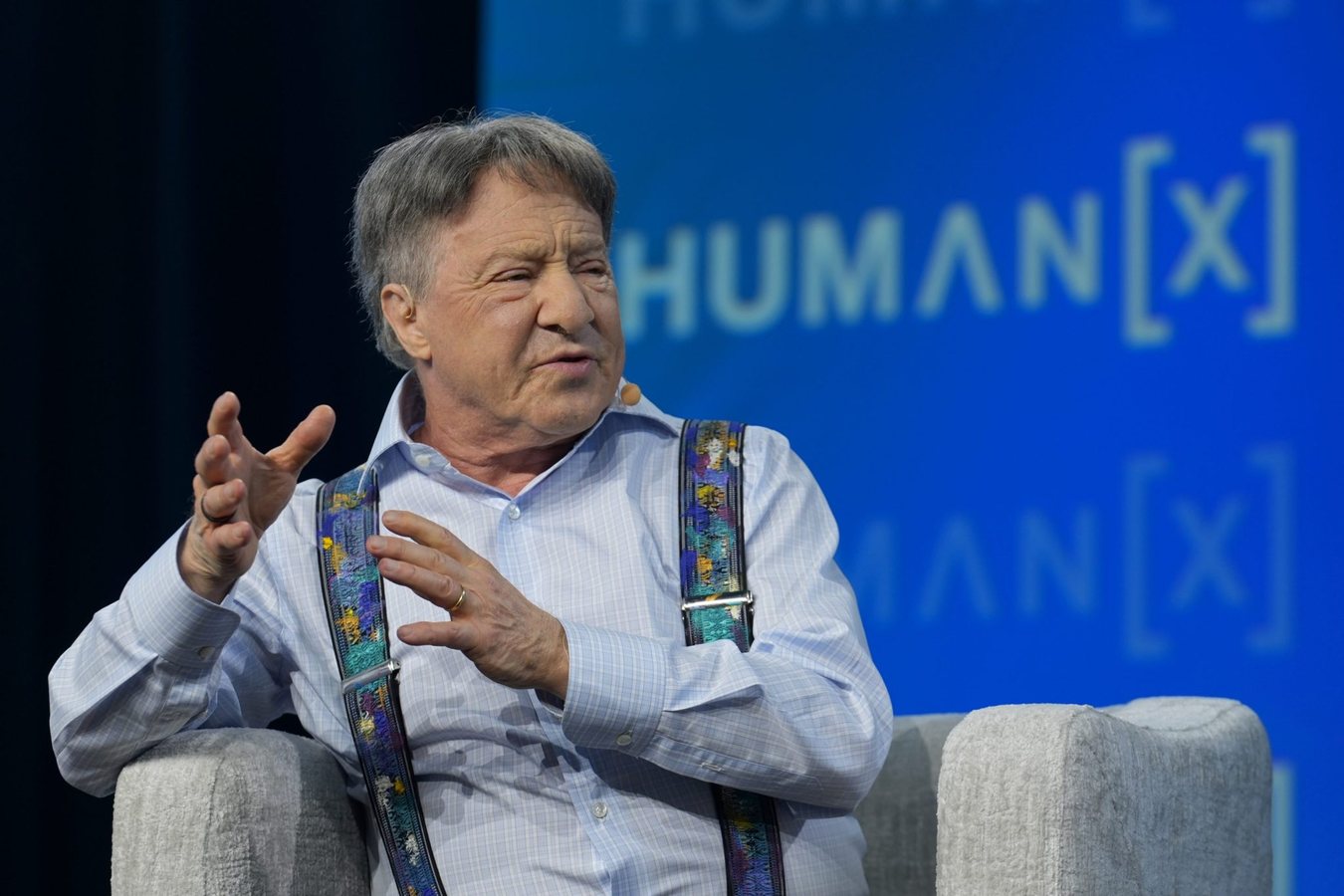
Ray Kurzweil, the influential artificial intelligence scientist and Google researcher, is joining Subsense, a four-year-old Silicon Valley startup developing a brain-computer interface that introduces nano particles into the brain through the nose. The company announced the appointment at an event at its Palo Alto headquarters on Wednesday evening, where Kurzweil described the technology as a step toward merging smartphones with human cognition.
«Ultimately we want to merge [the smartphone] with the brain», Kurzweil said, referencing his long-held «singularity» theory that technology will soon allow humans to transcend the limitations of biological brains. «The whole point of humans is to go to greater frontiers, expand who we are», he added, describing external devices as a barrier that slows access to the power of AI.
Subsense is developing an alternative to surgical brain implants such as those used by Elon Musk's Neuralink, which has placed wireless chips in the brains of roughly a dozen patients, enabling people paralysed by spinal cord injuries to control computers with their thoughts. Unlike Neuralink, which requires drilling through the skull, Subsense's approach involves delivering charged nano particles intra-nasally, in a process similar to inhaling allergy medicine through a nasal spray.
Once inside the brain, the particles would be controlled through a specialised cap or headset containing magnetic coils, allowing the system to stimulate neurons in specific areas or read neural activity. The company demonstrated a non-functional mock-up of the cap at the event, which resembled a cross between a baseball cap and a bike helmet.
The technology remains years from availability, assuming it progresses beyond the laboratory. Subsense, which has raised $27 million in funding, is conducting pre-clinical work, experimenting with the various components of the system and running tests on mice. The company hopes to first make the technology available for medical uses and eventually develop it into a consumer product.
«I believe the brain computer interface eventually may become one of the most intimate technologies that human beings ever created», Subsense chief executive Tetiana Aleksandrova said on Wednesday.
As a product and vision advisor, Kurzweil will provide perspective on the company's technology roadmap and on how the convergence of AI and neural interfaces will reshape human-computer interactions, the company said. Kurzweil, a recipient of the National Medal of Technology and Innovation, is one of the most prominent thinkers in artificial intelligence, with books including «The Age of Intelligent Machines» and «The Singularity is Near» having anticipated many of today's technologies.
105