Business 3 min read By Alice Ashford
Hain Celestial posts $305m loss as debt deadline looms
The parent company of Sleepytime Tea has reported a $305 million loss and faces a near-term debt maturity, even after agreeing to sell its snack and international operations for more than $400 million.
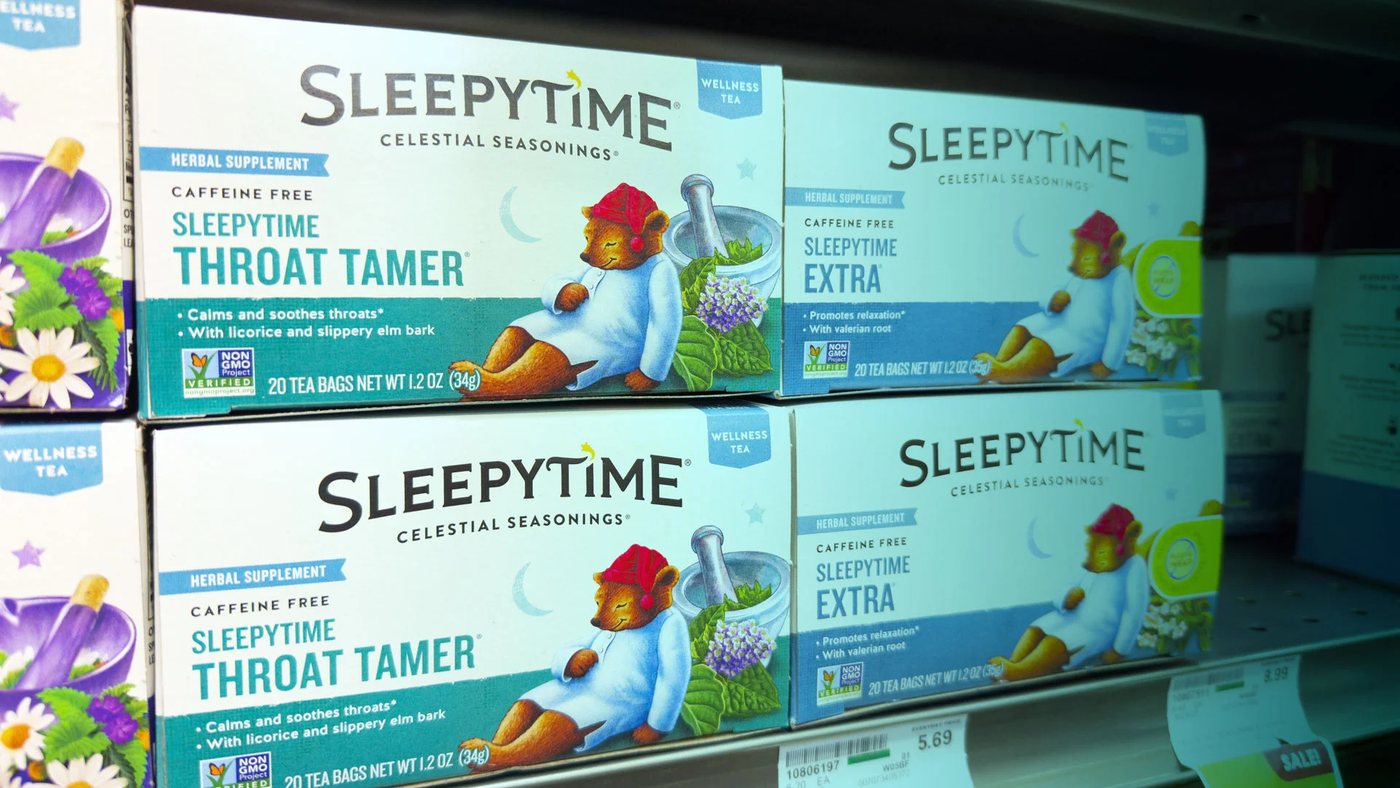
Hain Celestial, the owner of Sleepytime Tea, has reported a loss of $305 million, leaving the consumer goods group under pressure as a key debt deadline approaches. The company has been trying to simplify its portfolio by selling its snack and international operations, a move expected to raise more than $400 million, but that effort has not removed the financial strain on the business.
The loss underscores the difficulty facing a company that built its reputation on health-focused pantry brands but has struggled to translate that positioning into consistent profit. Selling assets can raise cash and narrow a company's focus, yet it also removes revenue streams that may have been supporting the remaining business. For Hain Celestial, the proceeds from the disposals are expected to be significant, but the timing and terms of the debt deadline will determine whether the company can stabilise its balance sheet or whether it is pushed closer to a bankruptcy process.
The company's situation reflects a broader pattern among mid-sized consumer groups that expanded through acquisition and are now unwinding those portfolios to reduce complexity. Investors and lenders typically watch such disposals closely, because the cash raised is often earmarked for debt repayment rather than growth. If the sale proceeds arrive in time and are sufficient, they can buy a company breathing room. If they do not, a refinancing or restructuring may become unavoidable.
Hain Celestial has not yet indicated publicly how it intends to address the looming deadline, and the outcome will depend on negotiations with creditors as well as the completion of the asset sales. The company's brands remain familiar to British shoppers, particularly in the tea aisle, where Sleepytime is a well-known herbal infusion. That consumer recognition offers some reassurance, but it does not by itself solve a balance-sheet problem.
The wider context is a tougher environment for packaged food companies, which have faced shifting consumer habits, cost inflation and pressure from retailers. Companies that once commanded premium prices for health-oriented products have found that advantage harder to sustain as own-label ranges and cheaper rivals have expanded. For Hain Celestial, the task is now to convince lenders and investors that the simplified business can generate enough cash to meet its obligations.
The next few months will be decisive. The sale of the snack and international divisions is intended to provide the funds needed to reduce borrowings, but the loss reported by the company shows how far its finances have deteriorated. Whether the deadline becomes a turning point or a tipping point will depend on execution, and on whether the proceeds arrive quickly enough to satisfy creditors.
5