Technology 6 min read By Alice Ashford
AI pioneers say the technology will create more jobs than it destroys
Two veteran technology investors argue that the AI transition, though compressed into a few years, will follow every previous technological revolution in creating more jobs than it eliminates. They point to labour shortages in construction and healthcare, and to AI's role in making existing work safer and more productive.
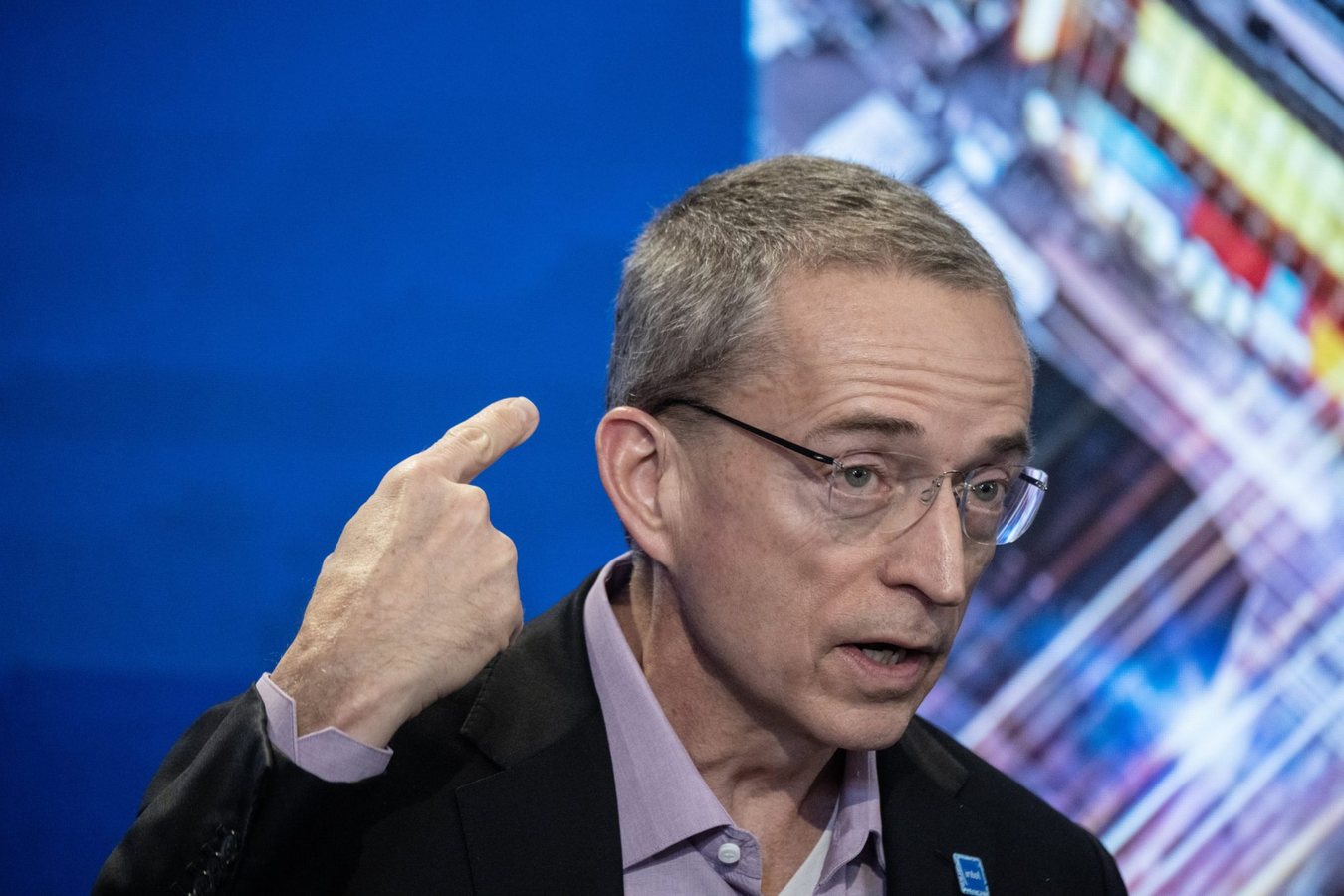
Two of the technology industry's most experienced figures have pushed back against the assumption that artificial intelligence will permanently destroy more jobs than it creates, arguing that the current transition, while faster and more disruptive than any that came before, is following the same pattern as every previous technological revolution.
Pat Gelsinger, who joined Intel at 18, rose to become its chief executive and is now a general partner at a venture capital firm investing in deep technology, and Naveen Rao, who has founded three AI companies and now leads one valued at $4.5bn, set out their case in a joint intervention. Between them they have spent more than 70 years in the industry, and both grew up in rural America — Gelsinger on a farm in Robesonia, Pennsylvania, and Rao in the Appalachian coal-mining town of Whitesburg, Kentucky.
They acknowledge that the disruption is real and that public anxiety is understandable. Silicon Valley's old mantra of moving fast and breaking things, they write, eventually broke everything, and people became angry. Every major technological change in history has caused painful dislocation — farm families, they note, are still suffering the effects of the Industrial Revolution more than a century later. What is different now is the speed: the AI transition is being compressed into a few years rather than generations, leaving workers with little time to adapt.
Their central claim is that AI is creating new processes and products, and with them new occupations, as quickly as old ones disappear. Gelsinger cites his time at Intel, where safety technicians were responsible for checking for chemical leaks in fabrication plants — work that was exceedingly dangerous, since most of the gases in those pipes could kill. Robot dogs were brought in to carry out the task, and some of the technicians were redeployed as fleet managers for the machines. The work became safer, more pleasant and more interesting, and the pipes were inspected far more often, making the whole plant safer.
Rao points to his own company, which had a chip designed in six months without a dedicated team, something that would not have been possible before AI. That, he argues, is not a story about needing fewer engineers but about how many more things a business can attempt. His company's growth, he adds, is being held back by an inability to hire quickly enough. The limit on building anything difficult used to be how many attempts could be afforded before time or money ran out; AI, he says, allows engineers to shed routine work and test more ideas.
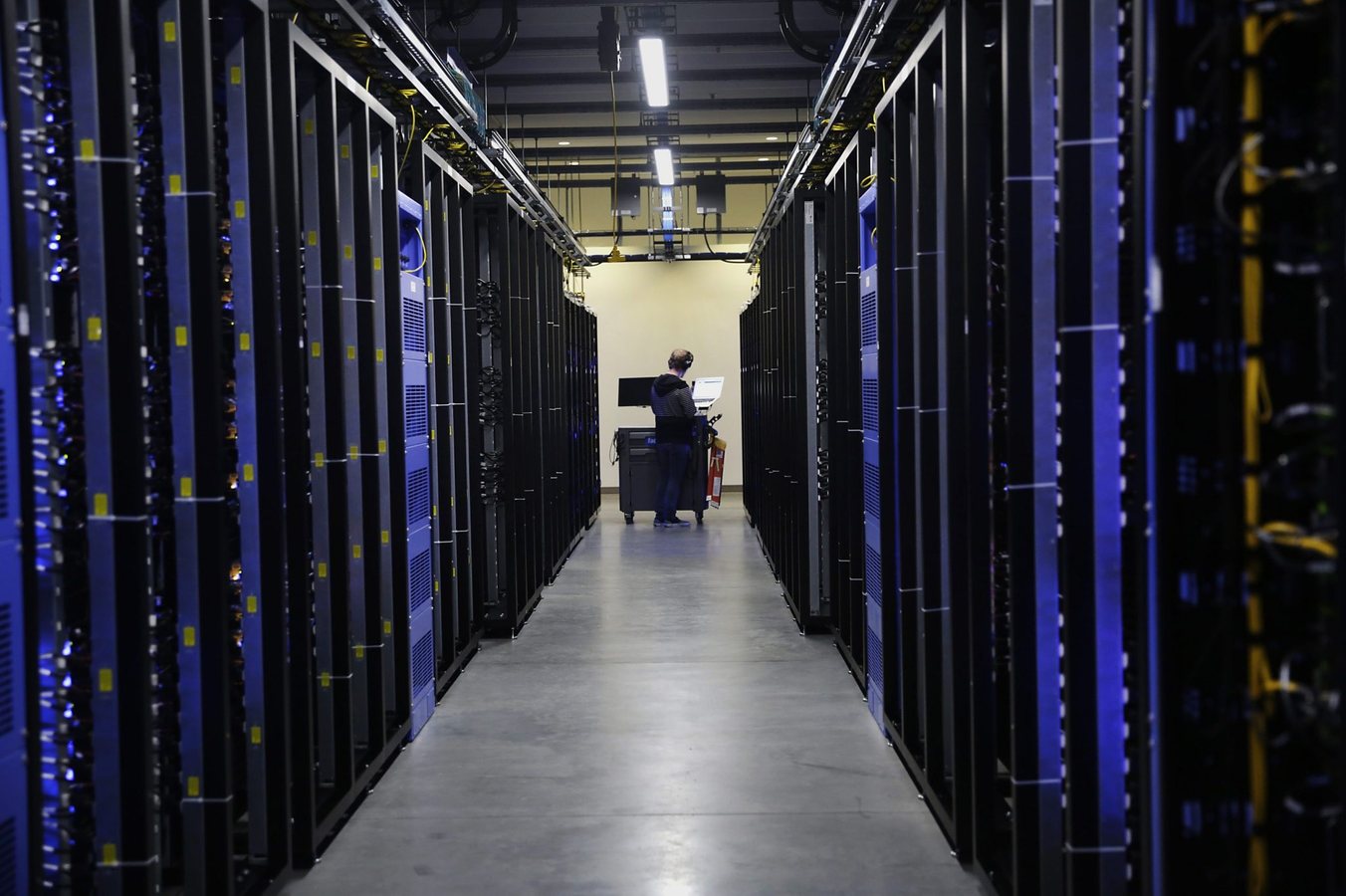
The pair also argue that AI is arriving in many sectors not because there are too many workers but because there are too few. More than 11,000 Americans turn 65 every day, and birth rates are falling across most of the developed world. Healthcare is the fastest-growing sector in the country, and the ageing that drives it is not reversible. The fastest-growing categories of work, they note, involve people and physical things — the areas AI is furthest from automating. The AI buildout itself is short of roughly 350,000 construction workers this year, and electricians' wages are rising two to four times faster than wages overall. An underreported constraint on data centre expansion is not chips or capital but the people who can wire a building.
Japan, they observe, hit this wall years before other countries and turned to automation, and now has one of the highest concentrations of industrial robots in the world — a large part of how its factories and hospitals remain staffed. Labour shortages that once looked cyclical, they suggest, are beginning to look permanent.
They offer examples of AI augmenting rather than replacing workers. RapidSOS, a company backed by Gelsinger's firm, uses AI to transcribe and translate emergency calls as they arrive, so a dispatcher who speaks only English can handle a call in any language. Nobody is replaced; dispatchers simply spend more of the call on the emergency and less on paperwork. In motorsport, where Rao races, a team once numbered about ten people, with a data specialist analysing information after each race. Data is now received in real time, and AI analyses radio traffic from rival teams as well. Teams have grown to about 20 people, and the racing is better.
The two argue that previous revolutions shut people out because entry required capital or specialist education — a shoemaker needed unattainable money to open a boot factory, and joining the dot-com boom required the training to write code. With AI, they say, anyone can learn to build software in a weekend, for free. The result, in their view, will be more entrepreneurs than can currently be imagined, hiring people into more interesting jobs than exist today.