Business 4 min read By Callum Montgomery
Warren Buffett's 40-Year Watch Reveals a Deeper Business Philosophy
Warren Buffett has worn the same watch for roughly four decades, a detail that experts say reveals more than frugality — it reflects a disciplined, long-term approach to business and investing that has defined his career at Berkshire Hathaway.
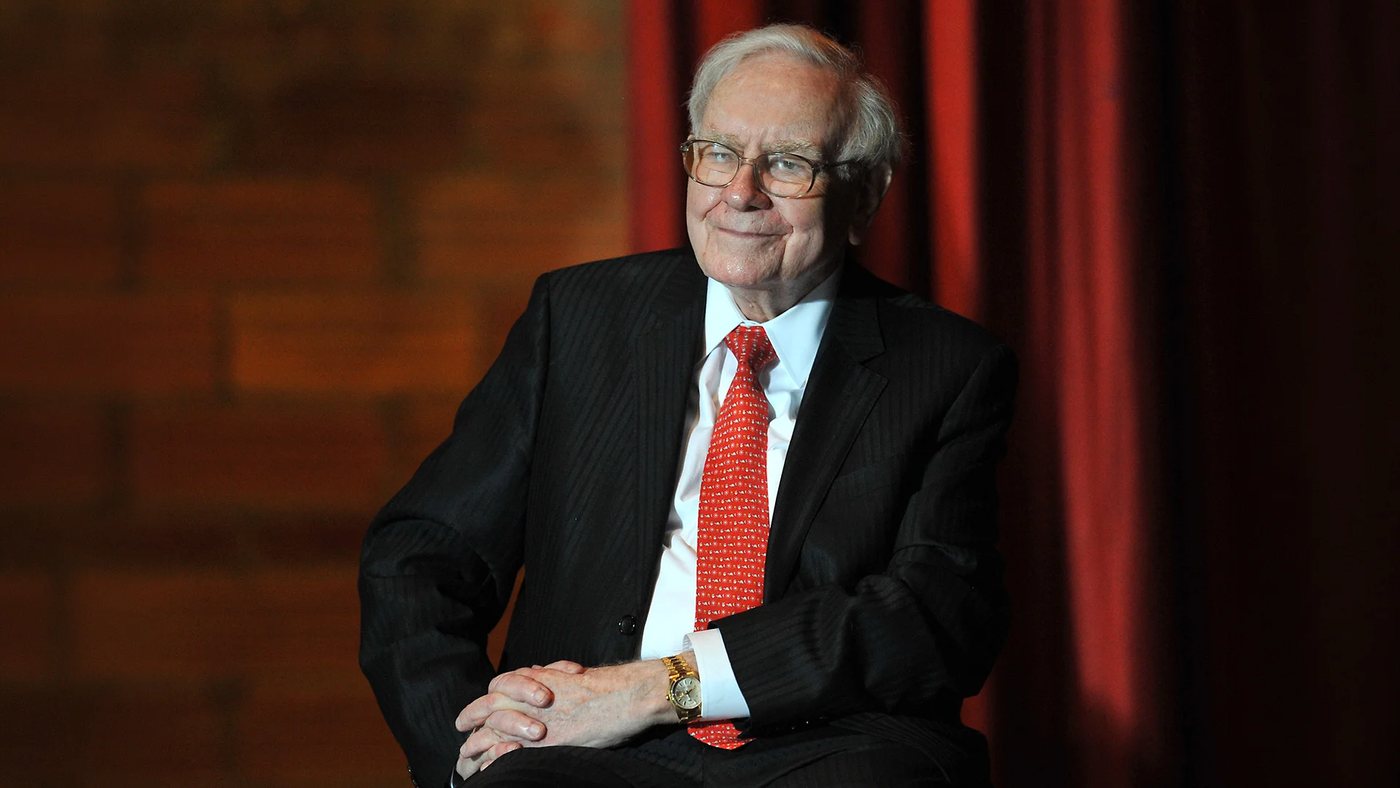
Warren Buffett, the former leader of Berkshire Hathaway, has worn the same watch for approximately forty years. While the observation might initially seem like a trivial footnote to a legendary career, experts suggest it points to something more significant than mere thrift. The consistency of his choice reflects a disciplined, long-term mindset that has underpinned his approach to business and investment for decades.
The watch, a simple and unassuming timepiece, has become a quiet symbol of Buffett's broader philosophy. In a business culture often driven by rapid change, conspicuous consumption, and the constant pursuit of novelty, Buffett's steadfastness stands out. It signals a preference for durability and function over fashion, a trait that has informed his investment strategy at Berkshire Hathaway. The company, under his leadership, became known for holding assets for the long term, avoiding speculative trends, and focusing on intrinsic value rather than short-term market noise.
This approach has not gone unnoticed. Business analysts frequently cite Buffett's personal habits as extensions of his professional principles. The watch, in this context, is not just a frugal accessory but a daily reminder of the virtues of patience, consistency, and resisting the urge to follow the crowd. Those same virtues have guided his major decisions, from acquiring stakes in companies like Coca-Cola and American Express to his famously cautious stance during periods of market exuberance.
For British business leaders and investors, the lesson is particularly pertinent. In an era of quarterly earnings pressure and volatile markets, Buffett's example offers a counterpoint. It suggests that enduring success often comes from sticking to a clear strategy and avoiding unnecessary complexity. The watch, worn through bull markets and downturns alike, serves as a tangible representation of that ethos.
While the exact model of the watch has not been widely disclosed, its significance lies less in its material value and more in what it represents. Buffett has long been known for his modest lifestyle, residing in the same Omaha house for decades and favouring simple meals. Yet, reducing his choices to frugality alone misses the point. The consistency is deliberate, a way of minimising distractions and focusing energy on what matters most.
This philosophy extends to how Buffett has structured Berkshire Hathaway. The conglomerate operates with a decentralised model, trusting managers to run their businesses while the parent company allocates capital. That trust and long-term orientation have produced remarkable results over the years, building a corporate giant with a diverse portfolio spanning insurance, railroads, energy, and consumer goods.
As markets continue to evolve with technological disruption and shifting geopolitical dynamics, Buffett's watch serves as a small but potent reminder. It underscores that in business, as in life, consistency and clarity of purpose often outperform the fleeting appeal of the new. For those looking to build lasting enterprises, the message is clear: value substance over show, and let time be your ally.