Technology 4 min read By Alice Ashford
AI Could Help Women Navigate Menopause and Autoimmune Diagnoses, Novartis Executive Says
Women often see five or six doctors to piece together menopause symptoms, and a top Novartis executive argues AI could connect the dots sooner. The discussion at a Fortune summit also highlighted gaps in medical training and the need for human oversight.
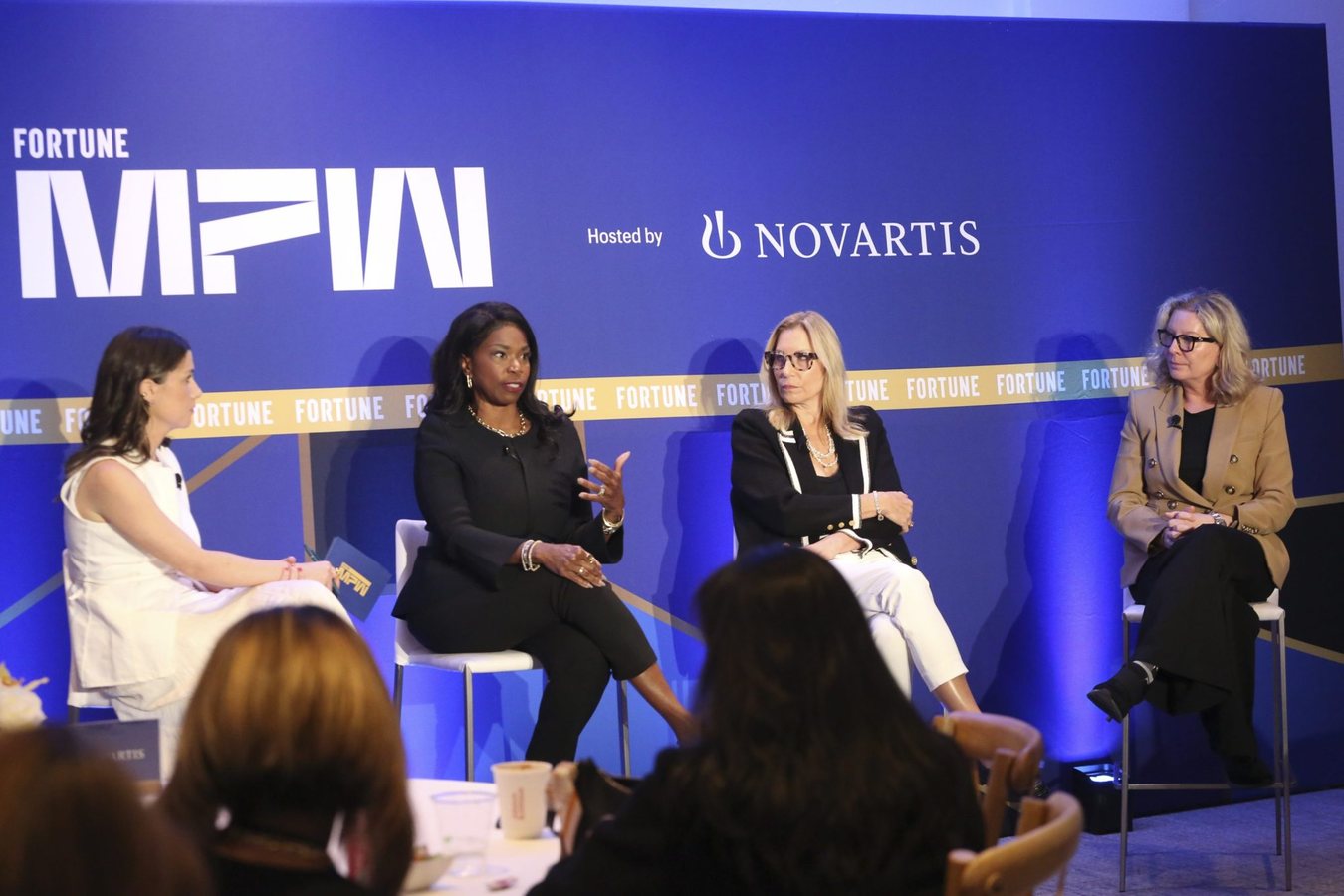
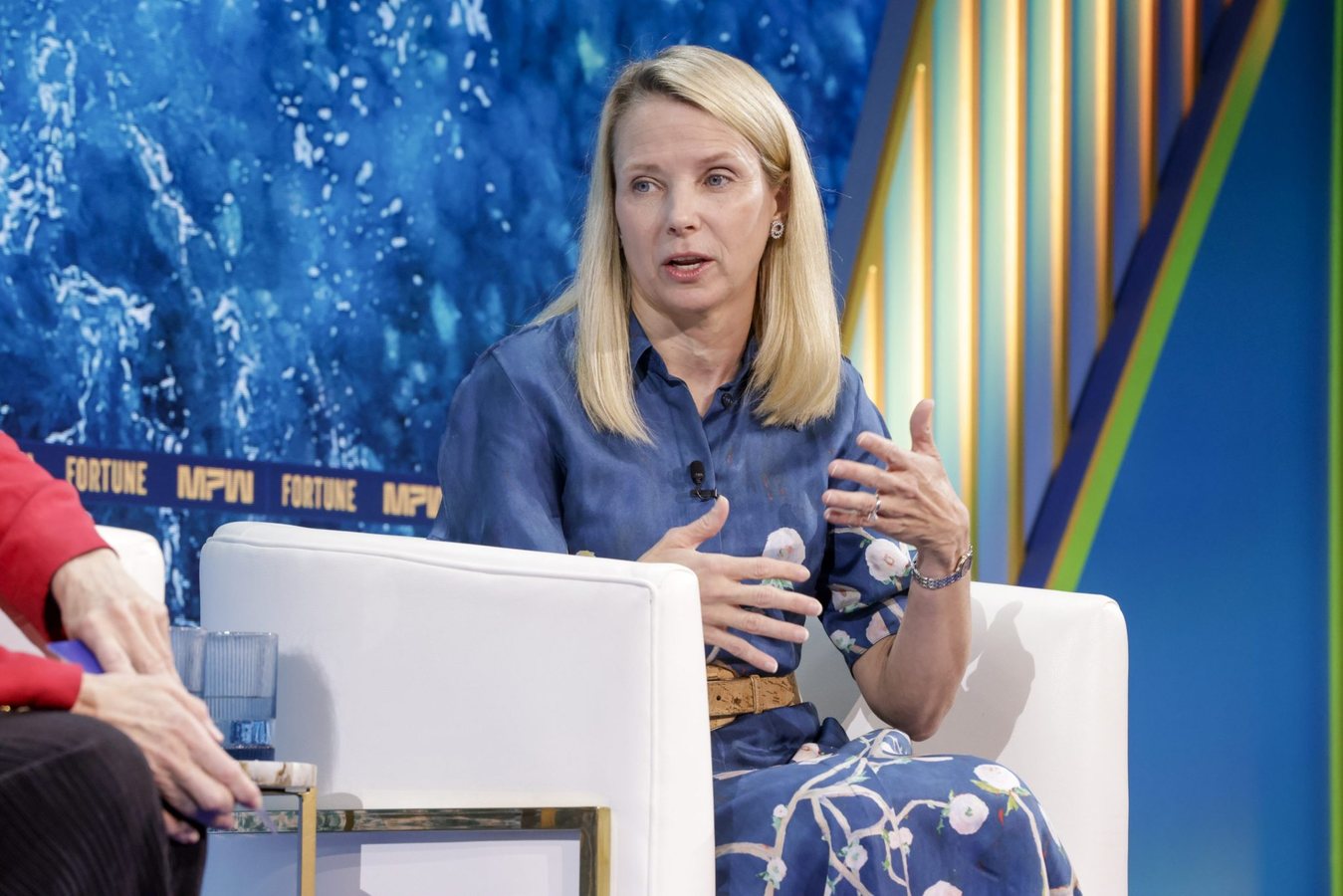
Women navigating perimenopause and menopause typically consult five or six doctors to make sense of symptoms such as sleep disruption, joint stiffness and hot flashes, according to Paula Schneider, chief executive of the Institute Advancing Women's Health. Speaking at a Fortune Most Powerful Women Summit panel in Santa Barbara, California, Schneider said the fragmented nature of care leaves patients without a holistic view of their health.
Reshema Kemps-Polanco, executive vice president and chief commercial officer of Novartis US, said artificial intelligence could play a central role in joining up those scattered pieces of information. «One of the greatest things I think that AI can do in health care is to help connect the dots and help connect the dots sooner,» she said during the panel, which was sponsored by Novartis.
Kemps-Polanco argued that health care has long tackled problems in isolation, producing limited gains. AI, she suggested, offers a way to address them «better, faster, different, cheaper». She expressed hope that companies across government, the AI sector and the pharmaceutical industry would collaborate to close critical gaps in care.
The scale of the challenge was underlined by Schneider, whose nonprofit focuses on women from the age of 45. She said future obstetrician-gynaecologists receive only «about two hours, if that» of medical school education on women's midlife health. Her institute is working with a medical certification company to develop continuing medical education for clinicians, using AI to build evidence-based training. It also teaches women what questions to ask their providers.
Fragmented care is not unique to menopause. Kemps-Polanco noted that many women present with «a constellation of symptoms that require women to go to different types of doctors, and each gets treated in isolation». She cited autoimmune conditions, where women can account for as much as 80% of patients in some cases. For Sjögren's disease, one of the autoimmune conditions Novartis is working on, patients wait an average of four years for a diagnosis.
That delay, she said, creates an opening for AI. A patient might see a dermatologist, a rheumatologist and a primary care doctor, but «you can't always count on those records being connected». Kemps-Polanco described her own experience of sitting in an emergency room with symptoms she did not know were linked and typing them into an AI tool. «Now I don't know how accurate it was, but it did help me have a conversation,» she said. «It really got me thinking [about] what is now possible for patients—women, men, what have you—to be able to now connect those dots and get screening, treatment, diagnosis, and cure sooner.»
Wendy Barnes, president and chief executive of GoodRx, cautioned that patients should still seek human involvement. Asked how to assess the growing wave of midlife health platforms, she said care should be supported by clinical evidence and patients should be able to «engage with an actual clinician, as opposed to it completely being AI enabled».
The panel highlighted a broader tension in digital health: AI can aggregate and interpret scattered data, but its usefulness depends on the quality of records, the evidence behind recommendations and the availability of clinicians to act on them. For women in midlife, the promise of faster answers is significant, but the discussion suggested that technology alone will not resolve the underlying fragmentation of care.
5