Economy 4 min read By Bethany Hadley
US import prices rise more than expected in September
US import prices increased more than economists expected in September, pointing to renewed cost pressures in the world's largest economy as global energy markets remain volatile.
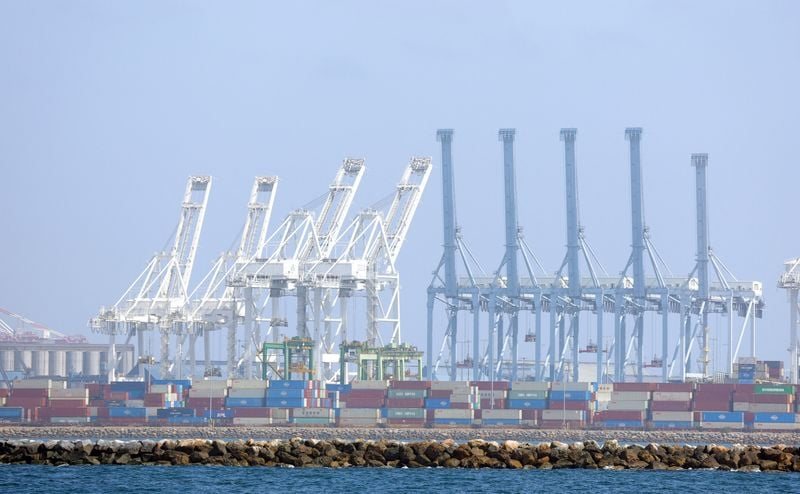
US import prices rose more than expected in September, according to official data, signalling that cost pressures on goods entering the United States remain firmer than economists had anticipated. The larger-than-forecast increase suggests that imported inflation is not fading as quickly as hoped, complicating the outlook for monetary policy at a time when the Federal Reserve is weighing the pace of future interest-rate decisions.
The surprise upside in import prices matters because the US is a major open economy, and the cost of goods brought in from abroad feeds directly into producer and consumer prices. When import prices climb, businesses face higher input costs that can be passed on to households or absorbed through thinner margins. The reading therefore carries weight for inflation expectations, corporate pricing strategies and the broader trajectory of the American economy.
The data arrives against a backdrop of elevated energy costs. Oil has been trading at highly elevated levels, with Brent crude recently quoted at around $108 per barrel, up sharply compared with a year earlier. That increase reflects a range of supply and demand factors, including geopolitical risk, production decisions by major exporters and concerns about future availability. Because crude oil is a key input for transport, manufacturing and heating, sustained high prices tend to ripple through the wider price system.
For British readers, the development is not merely a distant American statistic. The US is a central driver of global demand and financial conditions, and its inflation path influences the dollar, bond yields and the cost of capital worldwide. A stronger-than-expected import price reading can harden expectations that US interest rates will stay higher for longer, which in turn affects currency markets and borrowing costs far beyond American shores. UK exporters selling into the US market may also find that pricing dynamics shift as import costs rise.
Economists watch import prices closely because they capture the external component of domestic inflation. A sustained increase can indicate that global supply chains are under strain, that currency movements are making foreign goods more expensive, or that commodity markets are transmitting higher costs into the broader economy. The September figure suggests that at least some of these forces remain active, even as headline inflation in many economies has retreated from its peaks.
The oil market itself illustrates how quickly energy costs can move. Crude prices are influenced by supply and demand, but also by expectations about recessions, wars and other large-scale disruptions. When worries about supply shocks intensify, prices can shift rapidly. The US Strategic Petroleum Reserve exists partly to soften such shocks by releasing crude in emergencies, though it is designed as temporary relief rather than a long-term fix.
Gas prices at the pump do not track crude oil alone. They also reflect refining and transport costs, taxes and local retail margins. Because crude generally makes up a majority of the per-gallon cost, changes in oil prices have an outsized impact. When oil surges, pump prices typically follow, while declines in crude often take longer to reach consumers — a pattern sometimes described as «rockets and feathers».
The September import price increase therefore adds to a picture of an international economy still vulnerable to cost shocks. For policymakers, the challenge is to judge whether the rise is a temporary blip tied to energy markets or evidence of more persistent imported inflation. For businesses, it is a reminder that input costs remain unpredictable, and that pricing decisions may need to stay flexible in the months ahead.
12