Business 5 min read By Bethany Hadley
Berkshire's Next CEO Bets Billions on US Housing Shortage
Greg Abel, Warren Buffett's successor at Berkshire Hathaway, is committing billions to three major housing investments, signalling a long-term bet on America's persistent shortage of affordable homes rather than a wager on house prices.
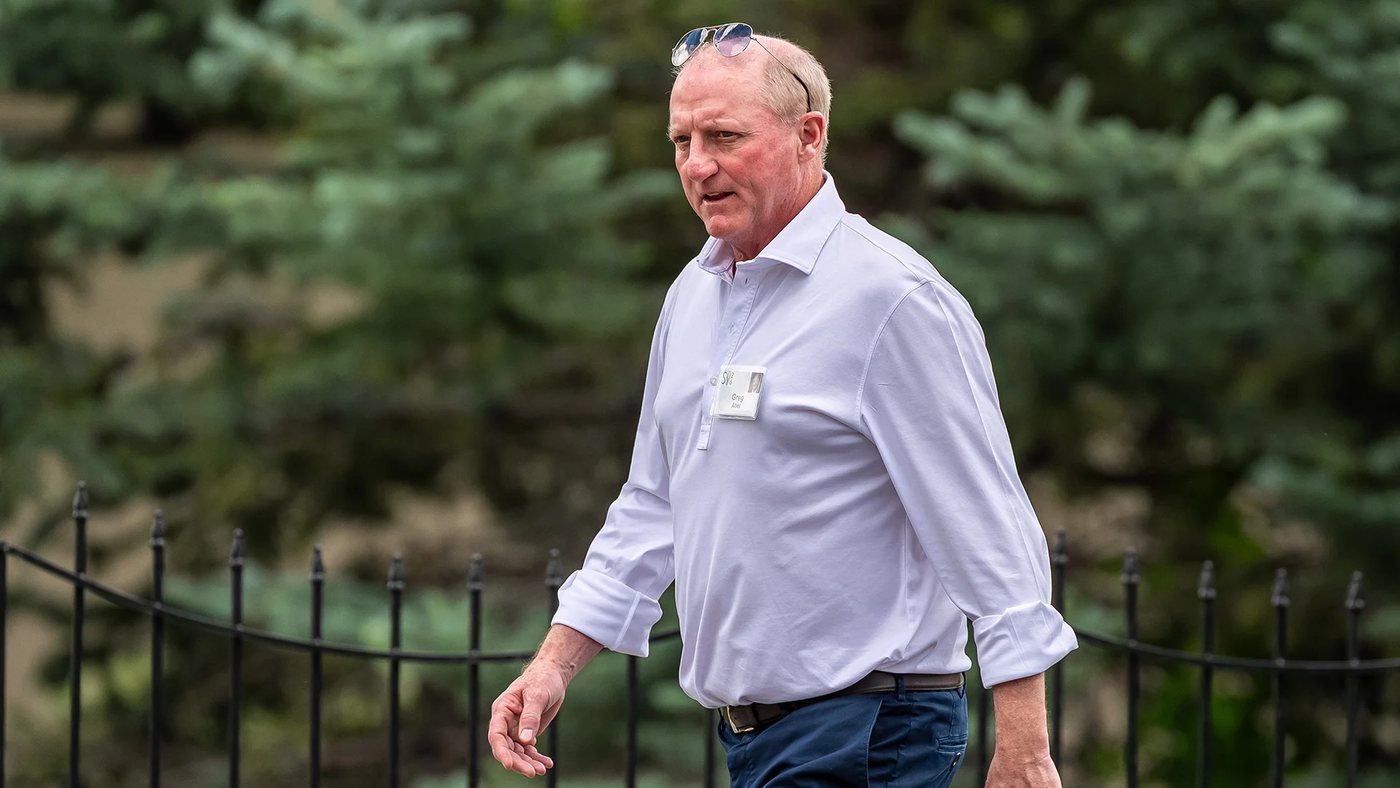
Warren Buffett's successor at Berkshire Hathaway is directing billions of dollars into the American housing market, in a series of investments that the conglomerate frames as a long-term play on the country's chronic shortage of homes rather than a bet on rising property prices.
The three major commitments, overseen by Greg Abel, reflect a view inside Berkshire that demand for housing will remain structurally strong even as affordability pressures squeeze households across the income spectrum. The company's interest spans the building, financing and ownership of residential property, according to people familiar with the strategy.
The scale of the wager is notable because Berkshire has historically avoided large, capital-intensive bets on cyclical sectors unless it sees a durable advantage. Housing fits that template: the United States has underbuilt for more than a decade, and the shortfall has pushed prices and rents beyond the reach of many buyers and tenants.
That affordability crisis is now well documented. The lifetime cost of reaching eight classic life milestones — including homeownership, raising two children, retirement and healthcare — has risen to about $5.3 million, according to Investopedia's annual analysis. The figure climbed 4.1 per cent in a year, from roughly $5.11 million, and is up sharply from about $3.4 million as recently as 2023.
Homeownership remains the single largest line item, with the lifetime cost of buying and maintaining a home up 7.7 per cent to about $1.28 million — an increase of more than $91,000 in a single year. Raising two children and putting them through college was the fastest-growing category, rising nearly 9 per cent to about $954,000, driven by higher childcare and in-state tuition costs.
Private-sector wages and salaries grew just 3.1 per cent over the same period, meaning the gap between the cost of the American Dream and what workers earn is widening. Investopedia estimates that a full-time worker with a bachelor's degree earns about $3.6 million between the ages of 25 and 64 before tax. Adding 20 years of average Social Security benefits brings lifetime income to roughly $4.1 million — leaving that graduate about $1.2 million short.
Renters are under even greater strain. The Harvard Joint Center for Housing Studies found that a record 22.7 million renter households were cost-burdened in 2024, spending more than 30 per cent of their income on rent and utilities. About 12.1 million of those were severely burdened, paying more than half their income for housing. Households earning under $30,000 had a record-low $210 a month left over after housing costs.
Homeownership splits sharply along income lines. Federal Reserve data show that 63 per cent of American adults owned their homes in 2024, but just 35 per cent of those earning less than $50,000 did, compared with 85 per cent of those with family income of $100,000 or more. Among adults under 60, the homeownership rate for those earning over $100,000 was more than three times that of those earning under $50,000.
The Fed attributed the divide partly to home prices outpacing income growth, making it harder for younger, lower-income adults to buy than for earlier generations. Among renters, 68 per cent said they could not afford a down payment, 49 per cent said they could not afford a monthly mortgage payment and 42 per cent said they could not qualify for a mortgage.
Berkshire's move suggests the company sees opportunity in that gap — not necessarily in rising prices, but in the volume of unmet demand for housing that must eventually be built, financed or rented. For a conglomerate with a long history of contrarian bets, the housing shortage is a problem large enough to absorb billions in capital and patient enough to reward investors who can wait.
4