Technology 4 min read By Arthur Ellington
Agility Robotics Targets Fleet-Wide Safety for 500 Humanoid Robots
Agility Robotics is shifting its focus from certifying individual humanoid robots to ensuring safety across entire fleets, as the company prepares for deployments of hundreds of units in workplaces alongside human workers.
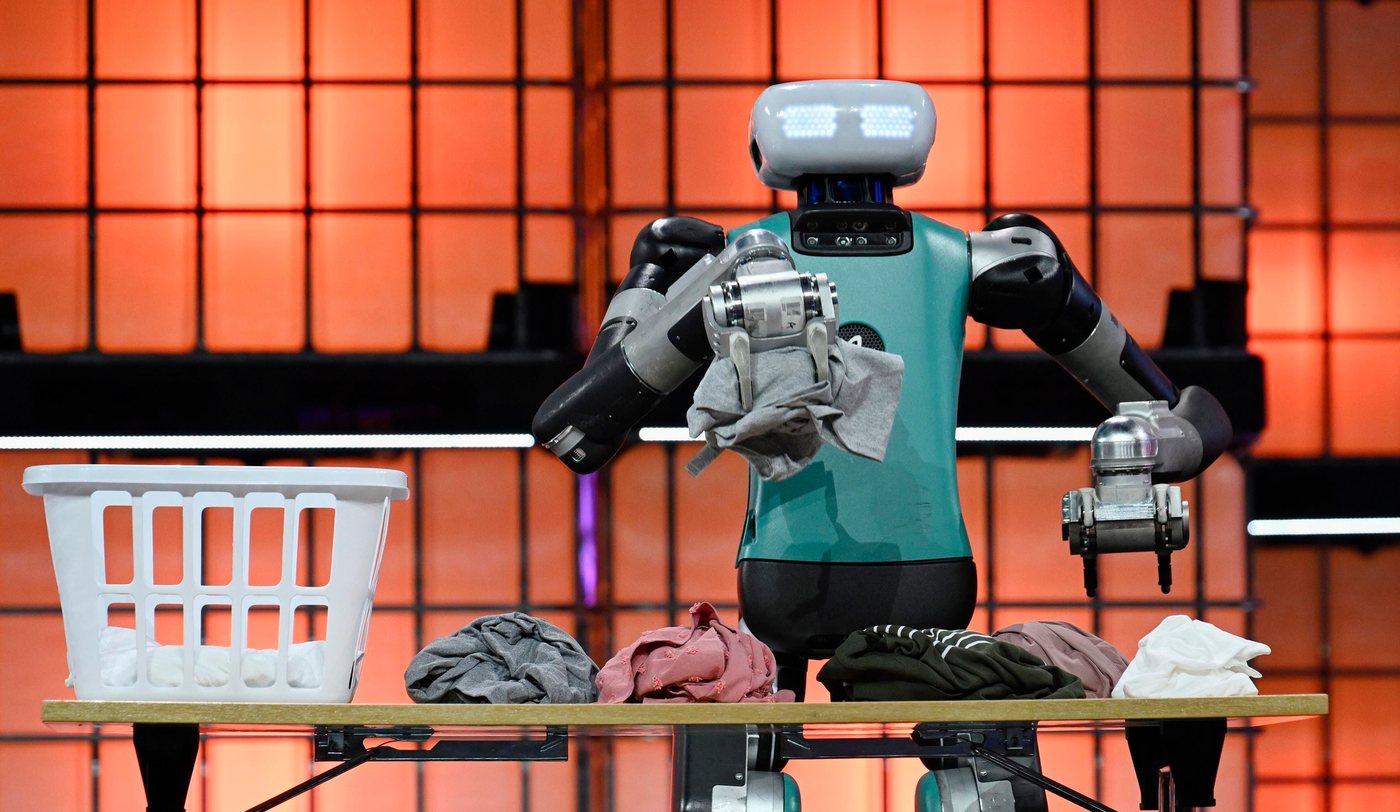
Agility Robotics is developing safety systems designed to manage hundreds of humanoid robots working in the same environment, moving beyond the challenge of making a single machine safe for human proximity. The company's approach reflects a growing recognition that as humanoid robots move from laboratories into warehouses, factories and other shared workplaces, the safety question shifts from individual units to entire fleets.
Making one humanoid robot safe around people is a significant engineering achievement in itself. But that achievement does not scale automatically. When dozens or hundreds of robots operate in the same space, the interactions between machines, and between machines and humans, multiply in ways that single-unit testing cannot capture. Agility Robotics is working to address that gap as it prepares for larger deployments.
The company's focus on fleet-scale safety comes as the humanoid robotics sector attracts increasing investment and attention. Several developers are racing to bring bipedal and wheeled robots into commercial settings, targeting tasks such as moving totes, loading trucks and handling repetitive material flows. The promise of these machines rests partly on their ability to work in spaces already designed for people, rather than requiring costly redesigns of factories and warehouses.
That promise also creates the central safety challenge. A robot that shares a floor with human workers must reliably detect people, predict their movements and avoid collisions even when conditions change unexpectedly. At fleet scale, the problem expands further. Robots must coordinate with each other, avoid creating new hazards through their combined movements, and continue operating safely if one unit behaves unpredictably or loses communication.
Agility Robotics has not disclosed specific technical details of its fleet safety architecture, but the company's stated goal is to ensure that safety is not limited to a single demonstration unit. The distinction matters for customers evaluating humanoid robots for real operations. A warehouse operator considering a fleet of machines needs confidence that safety holds across shifts, configurations and mixed human-robot teams, not just in controlled trials.
Regulators and standards bodies have yet to settle on comprehensive rules for humanoid robots in workplaces. Existing industrial robot safety standards were largely written for fixed machines behind cages or for mobile robots operating in more predictable patterns. Humanoid robots that walk, carry loads and work near people fall between those categories, leaving developers and their customers to establish safety practices that may later inform formal regulation.
For Agility Robotics, the fleet safety push is also a commercial strategy. Customers are unlikely to order hundreds of robots if each deployment requires bespoke safety assessments. Demonstrating that safety can be managed systematically across a fleet could lower the barrier to adoption and make humanoid robots more attractive as a scalable alternative to traditional automation.
The company's effort reflects a broader shift in the robotics industry, where the question is moving from whether humanoid robots can work at all to how they can work safely at scale. That transition will shape which developers win commercial contracts and how quickly humanoid robots become a familiar presence in workplaces alongside human employees.
4