
Politics 4 min read By Alice Ashford
Supreme Court to Rule on Trump's Mandatory Detention of Immigrants
The US Supreme Court has agreed to review the Trump administration's policy of denying bond hearings to immigrants, a case that will test a central pillar of the president's immigration crackdown and could affect millions of noncitizens.
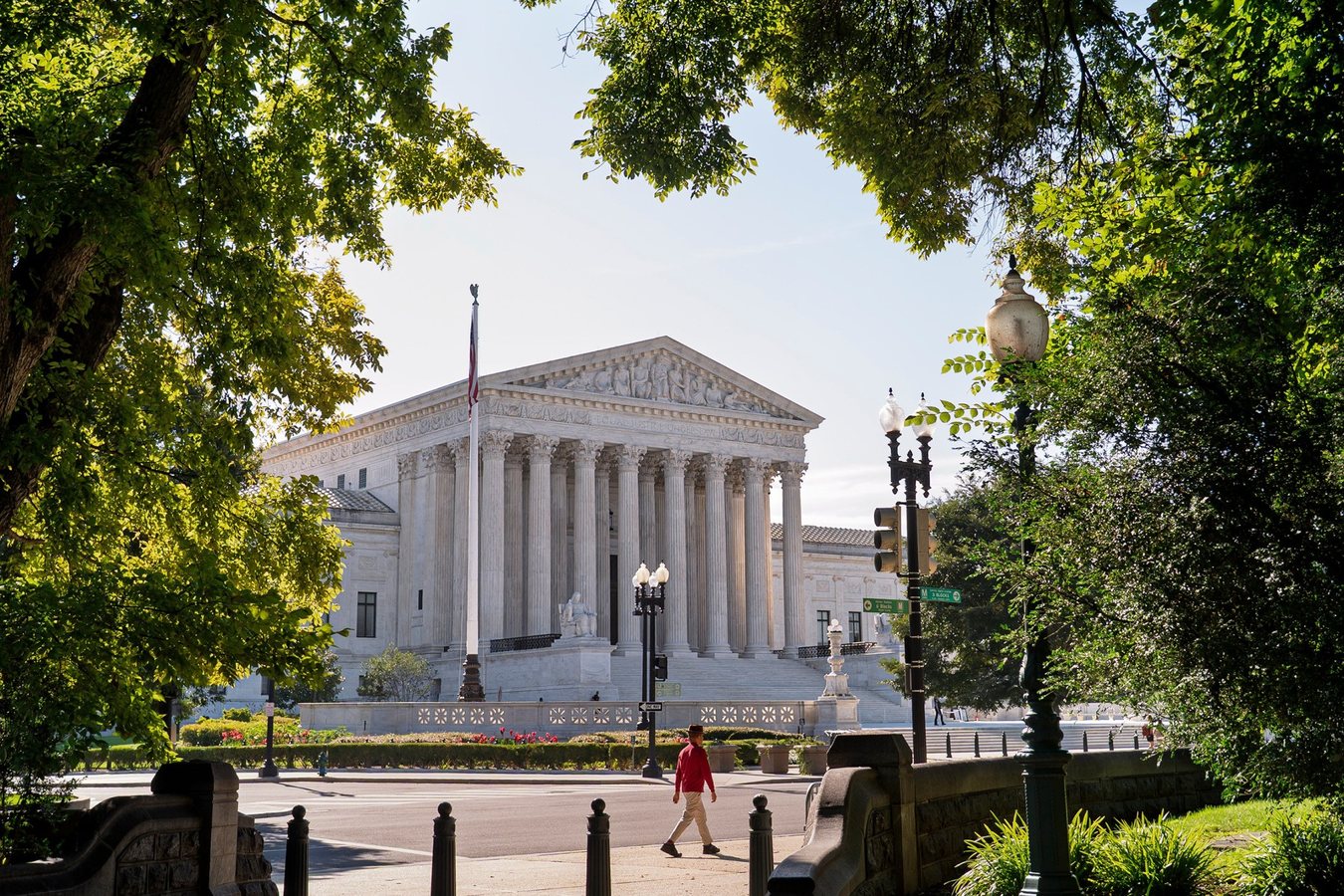
The US Supreme Court has agreed to review the Trump administration's policy of denying bond hearings to immigrants, setting up a landmark ruling on whether noncitizens living in the United States have a right to a hearing to determine if they should remain detained while they challenge deportation. The case will test a central pillar of President Donald Trump's hard-line immigration agenda and could affect millions of people.
The justices will hear the case of Ricardo Aparecido Barbosa da Cunha, a Brazilian citizen. Authorities say he entered the United States illegally two decades ago and applied for asylum in 2016. He sought a bond hearing after an immigration judge determined that his detention was mandatory following his arrest in September 2025. His attorneys say he has never been charged or convicted of a crime. The court is expected to hear the case in the coming months.
The dispute has divided the federal appeals courts. Most circuits to have considered the issue have found that it violates federal law to detain immigrants, including those living in the country illegally, without a bond hearing. Those decisions conflict with rulings by the 5th and 8th circuits, which held that immigrants accused of illegally entering and remaining in the US must be detained while their deportation cases are pending.
The Trump administration had urged the high court to take up a different but related case involving the broader constitutional implications of the policy. Attorneys for the Republican administration argue the circuit split is «disrupting the orderly administration of immigration law». They say the courts have been inundated with thousands of petitions filed by immigrants challenging the government's legal interpretation.
«The result is an unworkable patchwork of inconsistent immigration enforcement, where aliens present without admission are subject to mandatory detention in some circuits but are entitled to bond hearings and often released in others,» lawyers for the administration wrote.
The plaintiffs are immigrants represented by the American Civil Liberties Union, which says hundreds of district court judges have joined most circuits in rejecting the administration's new reading of the statutes. Plaintiffs' lawyers say the administration is trying to deny bond hearings for immigrants apprehended anywhere in the US, no matter how long they have lived in the country, rather than limiting the restriction to noncitizens stopped at the border.
«Millions of noncitizens could be affected by the government's new interpretation,» ACLU attorneys wrote.
The administration says its mandatory detention policy is legal under a 1996 immigration law. The policy change departs from the practices of prior administrations, which typically allowed most noncitizens without criminal records to request a bond hearing if they were arrested away from the border.
The case is one of several legal battles over the administration's immigration enforcement. In Minneapolis, the family of Renee Good, who was killed during a January immigration sweep, filed two lawsuits naming the federal government, several Trump administration officials and the agent who shot her as defendants. Separately, Trump questioned whether a judge's order lifting a media ban required the administration to allow outlets back on to the White House premises.
The Supreme Court's decision in the bond hearing case will set a nationwide standard for how the government detains immigrants while their deportation cases proceed. A ruling in favour of the administration would allow it to hold immigrants without bond hearings across the country, while a ruling against it would preserve the ability of many to seek release while they fight removal.
3