Sports 4 min read By Bethany Hadley
Wales become first to withdraw support for Infantino's FIFA re-election
The Football Association of Wales has become the first national football association to officially withdraw support for Gianni Infantino's re-election as FIFA president, saying he has lost its confidence after shelving a plan to sell World Cup stakes to private investors.
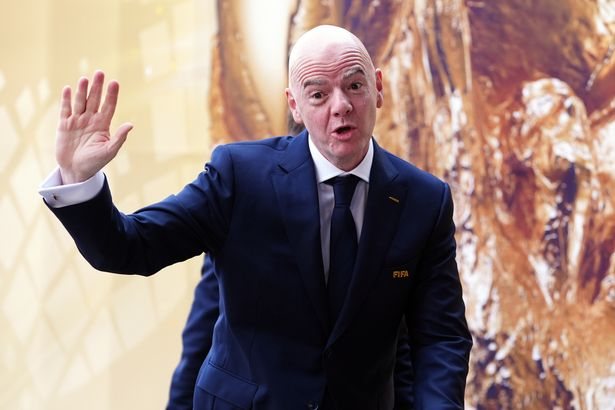
The Football Association of Wales has withdrawn its support for Gianni Infantino's re-election as FIFA president, becoming the first national football association in the world to officially break with the embattled governing body chief.
The FAW said Infantino had lost its confidence following his handling of a controversial plan to sell off stakes in the World Cup to private investors. «This is a failure we cannot accept,» the association said.
The decision, announced days after Infantino shelved the widely denounced proposal, deepens the crisis facing the FIFA president. Infantino said last week he was abandoning the plan after it was rejected by three confederations and drew fierce criticism from across the global game. The scheme would have allowed private investors to acquire a share of future World Cup tournaments, a move that provoked widespread condemnation and ultimately proved untenable.
Wales is the first of FIFA's member associations to formally withdraw its backing before the presidential election due next March, a sign that Infantino can no longer rely on the support he has enjoyed during his decade-long reign at the head of world football. That reign remains under intense scrutiny, with the aborted sell-off the latest controversy to overshadow his leadership.
The FAW's intervention came days after Prime Minister Andy Burnham said Infantino was «the wrong man» to lead FIFA, adding a political dimension to the growing pressure on the president. Burnham's remarks and the Welsh association's decision together signal a deepening mood of discontent within the upper echelons of the sport.
The fallout from the World Cup plan has also widened divisions within European football. UEFA, which opposed the scheme, reportedly threatened legal action and warned Infantino not to destroy documents relating to the proposal as the row escalated. The confrontation is understood to have contributed to the president's decision to abandon the project.
As one of the UK's four national associations, the FAW occupies a distinctive place in FIFA's structure, and its decision carries considerable symbolic weight. Attention will now focus on whether other member associations, particularly in Europe, choose to follow Wales's lead and publicly distance themselves from Infantino in the run-up to the March vote.
The sell-off episode has revived long-standing questions about transparency and governance at FIFA's Zurich headquarters during Infantino's time in office. The scale of the backlash forced the president into a swift retreat, turning the affair into another damaging chapter for world football's governing body.
With the election approaching, Infantino faces the prospect of campaigning for another term without the broad backing of member associations being assured. The FAW's statement made clear that its confidence in the president had been broken, and the decision is likely to be watched closely by national bodies across the globe as they weigh their own positions.