Economy 3 min read By Arthur Ellington
Dollar Slips From Seven-Week High as Oil Prices Extend Decline
The US dollar retreated from a seven-week peak on Thursday as oil prices fell further, with traders turning their attention to the Bank of Japan's policy decision and the outlook for global interest rates.
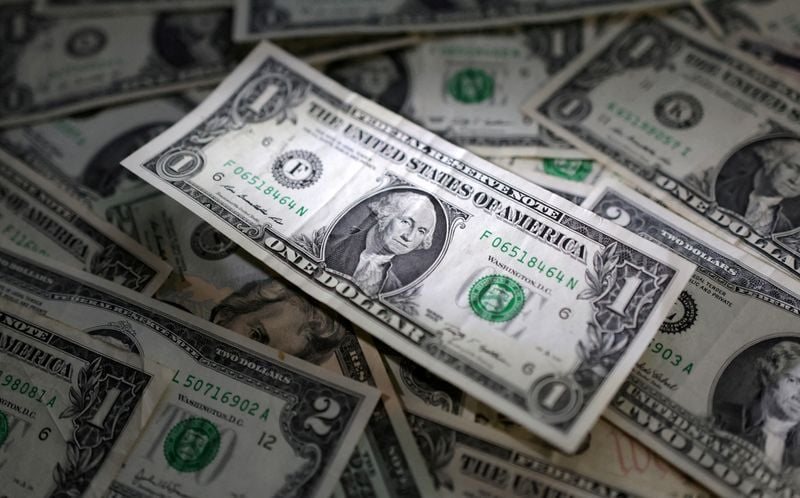
The US dollar eased from a seven-week high on Thursday as oil prices extended their decline, with currency markets shifting focus to the Bank of Japan's latest policy decision and the trajectory of global interest rates.
The greenback had climbed to its strongest level in seven weeks after the Federal Reserve struck a hawkish tone earlier in the week, signalling that it was in no rush to cut borrowing costs. That rally lost momentum as crude prices fell further, weighing on commodity-linked currencies and prompting some traders to take profits on long dollar positions.
Oil's slide has been driven by concerns over demand growth and ample supply, with both major benchmarks extending losses. A weaker oil price typically reduces inflation pressures but also clouds the outlook for energy-exporting economies, whose currencies often move in tandem with crude.
The Bank of Japan is now in the spotlight, with policymakers expected to keep ultra-loose monetary settings unchanged while hinting at a possible shift later in the year. The yen has been under pressure against the dollar, and any signal from Tokyo that it is moving closer to tightening could trigger sharp moves in currency markets.
Sterling and the euro were little changed, holding near recent ranges as investors weighed the diverging paths of the Federal Reserve, the European Central Bank and the Bank of England. The Fed's hawkish stance contrasts with expectations that the ECB may begin cutting rates sooner, a gap that has supported the dollar in recent weeks.
Analysts noted that the dollar's retreat was modest and that the broader trend remained intact, with the US economy showing resilience and inflation still above target. The focus now turns to upcoming US economic data, including jobs and inflation figures, which could determine whether the Fed's next move is a cut or another hold.
For British businesses, a softer dollar offers some relief on import costs, particularly for commodities priced in dollars such as oil and metals. However, the benefit is limited by the pound's own weakness against the dollar, which has kept input costs elevated for many firms.
Oil's decline also has implications for the UK's energy sector, where lower crude prices can ease pressure on household bills and transport costs but squeeze profits for North Sea operators. The net effect on the broader economy will depend on how long the slide persists.
In the meantime, currency traders are watching the Bank of Japan's guidance closely, as any hint of policy normalisation could unwind some of the yen's recent weakness and add to volatility across foreign exchange markets.