Business 4 min read By Alice Ashford
Tesla shareholders, not Musk, pose biggest hurdle to SpaceX merger
Special committees at Tesla and SpaceX are exploring a merger that would create a roughly $3.5 trillion company, but Musk's conflicting stakes and a demanding shareholder vote stand in the way.
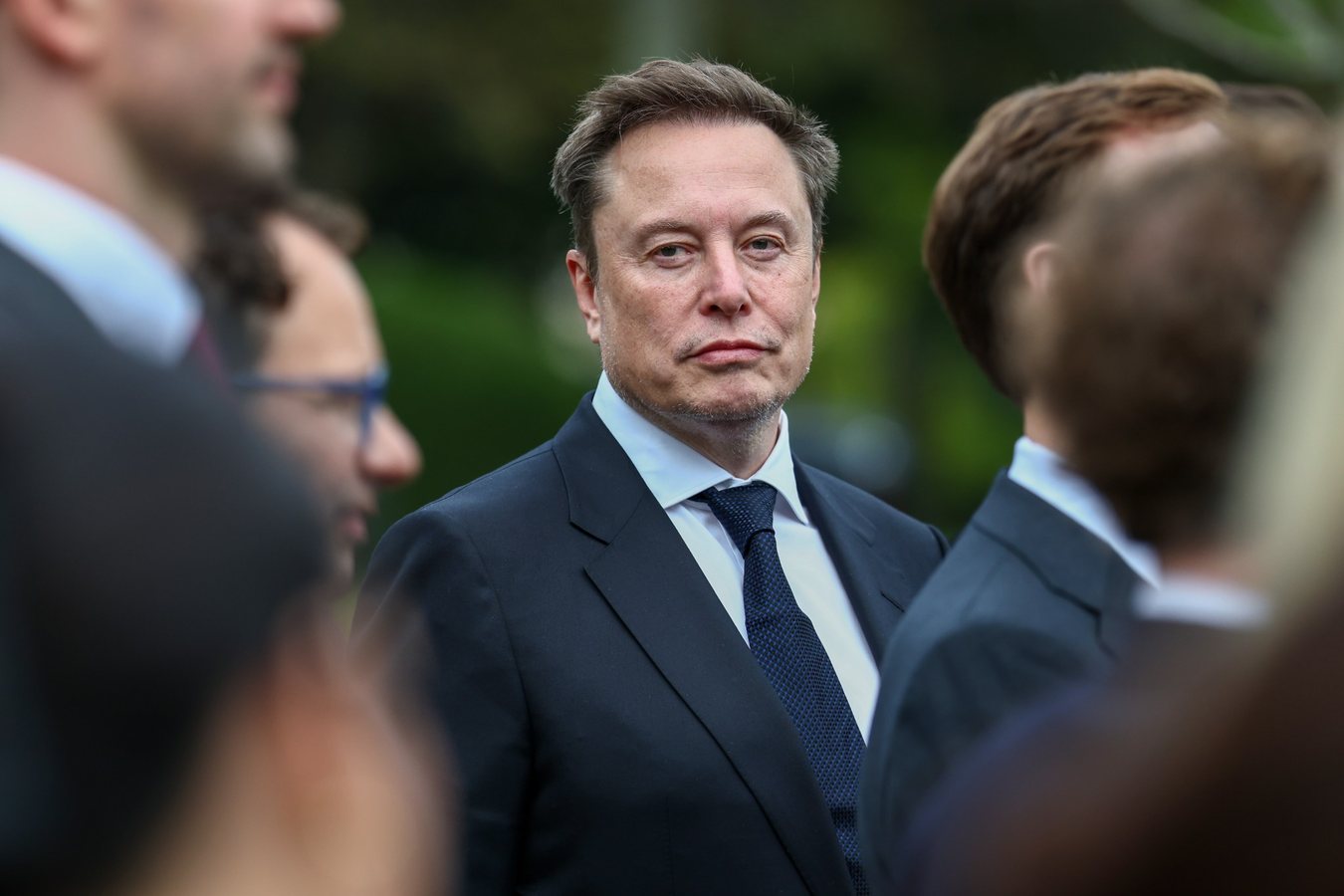
Tesla and SpaceX have set up independent special committees to explore a merger that would create a company worth roughly $3.5 trillion at current market values, the largest corporate tie-up on record. But the decisive obstacle is not Elon Musk's enthusiasm for the deal, which he described as having «a lot of merit» on Tesla's earnings call. It is the vote of Tesla's shareholders.
Musk is chief executive of both companies, and his large holdings make him, in his own words, a «conflicted party», barring him from either committee. «It's an odd kabuki dance where two groups of people are talking and I can't be in the conversation,» he told analysts. «This is definitely the kind of question where I feel like I'm tap dancing through a minefield.»
The arithmetic of the vote is the harder problem. Musk controls about 85% of SpaceX's voting power but only around 20% at Tesla. For the deal to proceed on the automaker's side, Musk said it would need support from holders of a majority of all outstanding shares, not merely a majority of those voted. Shares that are not voted would count effectively as votes against, a threshold he called «quite a high hurdle».
Luke Rahbari of Rational Equity Armor Fund compared the effort to «herding cats», adding that «it's going to take some time and money». Nejat Seyhun, a finance professor at the University of Michigan Ross School of Business, said the outcome would hinge on the valuation and any premium offered. «At a zero premium, probably there would be some resistance, but at 20%, 30% or 40% premium I don't think there would be any,» he said.
The backdrop is a mixed quarter for Tesla. The company beat expectations on both revenue and profit, but revenue fell year on year, weighed down by weakness in its core automotive business. SpaceX, meanwhile, reported a blowout quarter and its first profit as a public company.
Both Rahbari and Seyhun expect a merger to happen eventually and argue it would benefit both businesses. The main prize is efficiency: pooling engineers, technology and research budgets would remove overlapping spending, particularly as both companies push deeper into artificial intelligence. «The lines are getting kind of muddled already,» Rahbari said, pointing to shared technology and data. Tesla already uses SpaceX's Starlink at some of its Supercharger stations, a partnership he described as already «beneficial for both companies».
Musk, however, has warned investors against assuming the combination is a foregone conclusion. «Some people out there assume that a SpaceX and Tesla merger is a certainty, and I think that would be overstating it,» he said.
Markets have nonetheless begun to price in the possibility. SpaceX shares rose nearly 8% on Wednesday, their best single session since August, while Tesla gained 3.4%. For Tesla's board, the task now is to persuade a broad base of institutional and retail holders that the strategic case justifies whatever premium is eventually attached to the deal.
3