Society 6 min read By Arthur Ellington
Indiana University school teaches Gen Z the business of philanthropy
Indiana University's Lilly Family School of Philanthropy, the first of its kind in the world, has seen enrollment grow more than 300% over the past decade as young people look for careers with purpose.
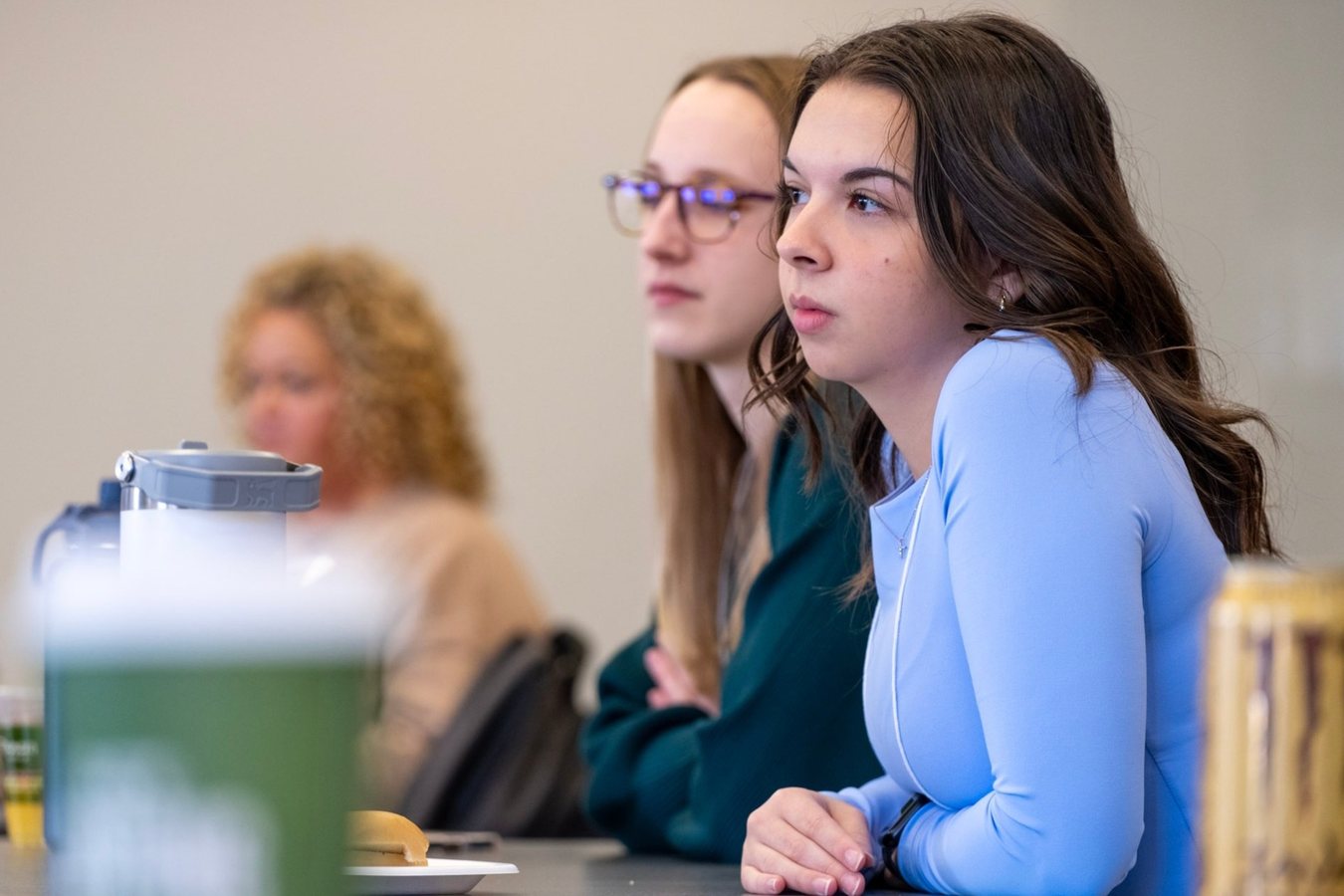
Students at Indiana University are turning to philanthropy as a career, drawn by the chance to make a difference alongside a paycheck. Enrollment at the Lilly Family School of Philanthropy has grown more than 300% over the past decade, from about 50 students to roughly 230, as students explore careers in nonprofits, foundations, corporations and government. The school says it has achieved a 100% job placement rate for the past three years, a higher rate than the university's business school students.
The growth comes as more young people seek work that offers more than income. Ella Traina, a sophomore studying at the school, said she is less focused on becoming a chief executive or making a fortune than on figuring out how to make the world a little better. She plans to work in impact evaluation after graduation, helping nonprofits measure whether their programmes make a difference. "When I wake up every day and I want to help achieve impact… I want to keep moving that needle to where there are less people suffering and without basic human needs," Traina said.
The school's relevance is also tied to wider economic change. Wealth is increasingly concentrated among the richest Americans, and the $124 trillion Great Wealth Transfer, the passing down of baby boomer fortunes to younger generations, raises questions about how philanthropy will look in the future. Whether millennials and Gen Z will carry on their family traditions of giving or chart their own path is among the issues a philanthropy education can explore. Some of the wealthy are also filling a void left by the federal government, which has pulled back funding for nonprofits and higher education institutions.
Indiana University's roots in philanthropy education go back decades. The university formally organised its fundraising teaching and research into an academic centre in 1987. In 2012 it was established as an official philanthropy-focused school, making it the first place in the world dedicated exclusively to the study and teaching of the subject. Today it is one of the few places where students can earn a bachelor's, master's or PhD specifically focused on philanthropy. The school's development has been supported since 1988 by the Lilly Endowment, established in 1937 by the family of pharmaceutical executive Eli Lilly, which views philanthropy and the nonprofit sector as complements to government and business in promoting the public good.
A spokesperson for the endowment told Fortune: "We hope that as these students prepare for careers in philanthropy, they are also discovering what it means for them to live lives of meaning and purpose and how they can help others do so as well." That philosophy shapes the classroom. Traina's courses range from the history of philanthropy to storytelling for social change. In one course, she and six classmates decided how to distribute a real $10,000 grant.
Traina's ambitions reflect a wider sentiment among Gen Z. A survey released this summer by the Walton Family Foundation, established by Walmart founders Sam Walton and his wife Helen, found that 79% of Gen Z hope to find a future job primarily focused on helping others or making a positive difference. That desire is shaping where young people work and where they do not. According to a 2025 Deloitte survey, 44% of Gen Z said they had left a job they felt lacked purpose, while around 40% had rejected a potential employer for similar reasons.
The sector offers considerable scope. Nonprofits employed about 12.8 million workers in 2022, nearly 10% of all private-sector jobs, according to an analysis by the US Bureau of Labor Statistics. Amir Pasic, dean of the Lilly Family School of Philanthropy, said the sector still faces a persistent misconception that meaningful work comes at the expense of a viable career. "There's still this misconception that if you go into philanthropy or the nonprofit sector that you are going to be offering to work for free, basically… 'Aren't you sweet to have such a warm heart?'" Pasic said.
The pay picture is more complicated than that stereotype suggests. Nearly two-thirds of nonprofit workers earn more than $75,000 a year, about 15% more than the average US salary, and philanthropy-related roles at some Fortune 500 companies can reach well into six figures. Walmart has advertised a grant manager role in Arkansas paying up to $180,000, while a Microsoft community affairs role has offered compensation of up to $275,000.
Traina sees the value of her studies beyond salary. "If you regret the degree, the worst you're gonna have is you're gonna know how to help people and how to impact society and create change," she said.
8