Business 5 min read By Bethany Hadley
Chevron ramps up Venezuela investment as Exxon signals caution
Chevron is investing $7 billion in Venezuela to double its oil output within five years, while ExxonMobil's chief executive says major reforms are still needed before the company commits.
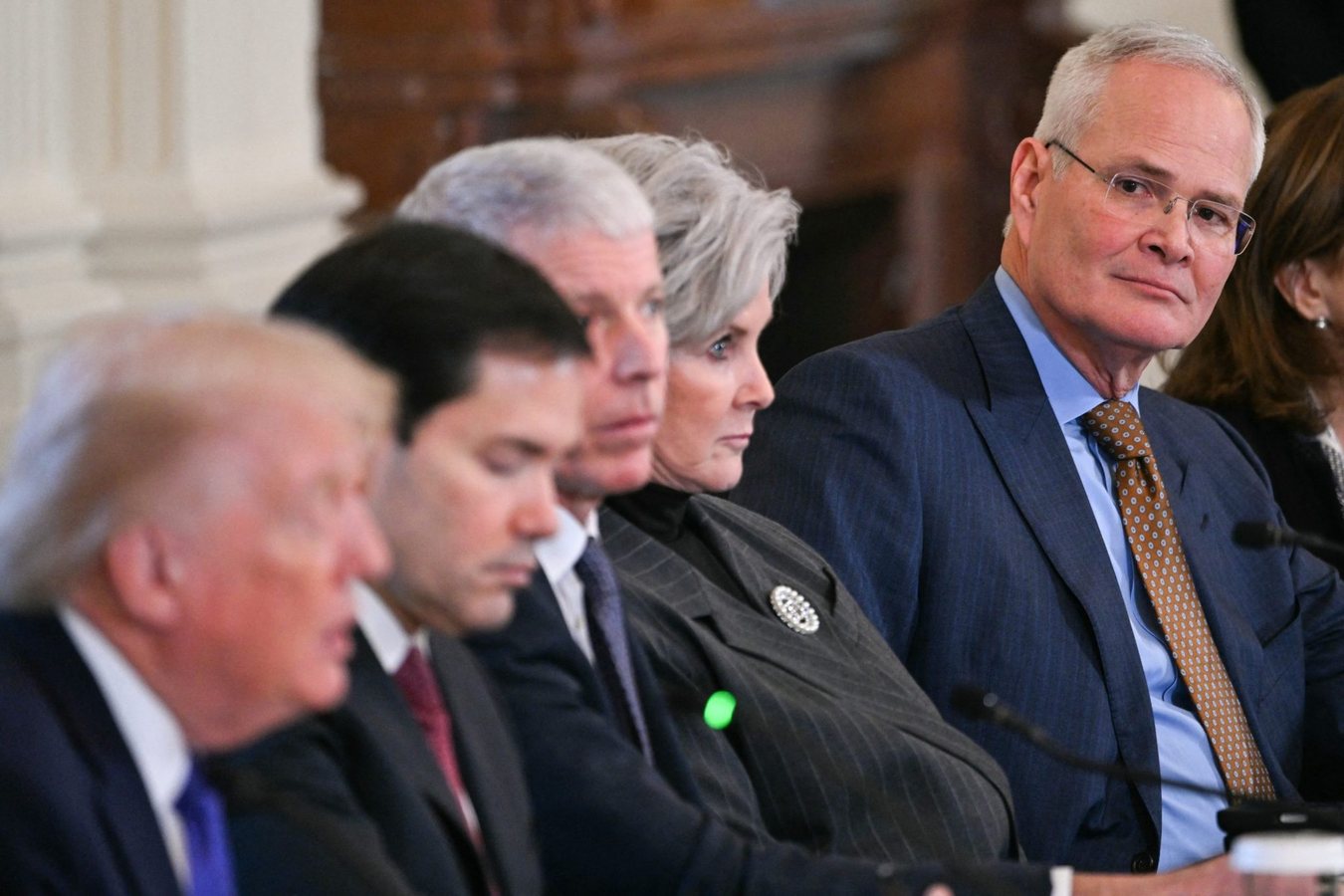
Chevron is investing $7 billion in Venezuela to double its oil output within five years, even as ExxonMobil chief executive Darren Woods urged caution and said substantial reforms are still required before his company decides on any major entry into the country.
Speaking on Exxon's third-quarter earnings call, Woods said his position has not changed since January, when he described Venezuela as "uninvestible" at the White House. That remark publicly irritated President Donald Trump, who later said of Exxon, following the US military ouster of former Venezuelan leader Nicolás Maduro: "I didn't like their response. They're playing too cute." Woods also warned against "exuberance" over reports from a month earlier that Exxon was close to signing a memorandum of understanding to explore investment in Venezuelan oilfields, advising that such reports be taken with a "little pinch of salt". He nonetheless said he believes Exxon "ultimately will have a role" in the country in due time.
Woods pointed to changes to the fiscal and legal frameworks as the areas that must move forward. "It's going to require some substantial changes to the way things have historically been done in Venezuela. There is progress being made on those areas," he said, adding that the company would wait for those protections to be in place before committing and would need confidence in a viable, sustainable project able to generate returns competitive within its portfolio. He added: "I expect that to take time. We're working our way through it. We're not in a rush." Woods also argued that operating successfully in Venezuela requires scale and that only a few companies have the resources to do so, Exxon among them. Exxon has had its assets nationalised twice in Venezuela, most recently in 2007, which helps explain its hesitation.
Chevron, by contrast, reached a deal with the Maduro government and never left the country, remaining the top private producer in Venezuela. Its new arrangement includes doubling production from 300,000 barrels of oil a day to 600,000 barrels by 2031. So far this year, Chevron has ramped its volumes 20% from 250,000 barrels daily. Chief executive Mike Wirth said the company's standing as the only incumbent on the ground gives it an advantage in understanding the geology and infrastructure. He argued the investment is not especially risky because it will become "self-funding" after initial spending and will be recovered quickly. "It's a factory-type drilling program," Wirth said, adding that the company can raise or lower the pace of activity as market conditions require.
Wirth said the political, legal and financial environment has changed significantly since the Trump administration's military intervention, and that the contractual terms are "much more competitive", including clauses on political stability and international arbitration comparable to other countries where Chevron operates. Chevron, not the state oil company PDVSA, will control the flow of the oil it produces and the royalties and taxes it pays the government. He added that being a good steward and job creator within Venezuela would bring its own rewards, and that the best way to manage risk is to secure the support of the people in the country.
Other companies are also moving ahead. Last month, Continental Resources, the largest private oil and gas producer in the United States and founded by Trump ally Harold Hamm, signed a memorandum of understanding with PDVSA to develop a major area of the Orinoco Belt. The Trump administration has also pursued a large arrangement: in late August, Trump announced what he called the "biggest oil deal in world history", under which the US would control more than 65 billion barrels of proven reserves across 17 oilfields in Venezuela through North American Blue Energy Partners, with the Department of Defense owning a 35% stake and controlling a majority of production. Many details remain unknown. BP and Shell, meanwhile, plan to invest in offshore Venezuelan gas fields near Trinidad and Tobago.
Venezuela's overall output has risen from less than 1 million barrels a day to more than 1.2 million barrels in October. The country holds the world's largest proven oil reserves on paper, but its output peaked at nearly 4 million barrels a day decades ago, and its oil industry has since fallen into disrepair.
7