Society 4 min read By Bethany Hadley
Hull funeral director Robert Bush jailed for 20 years over bodies left to rot
Funeral director Robert Bush has been jailed for 20 years after pleading guilty to 67 offences, including preventing lawful burial and giving families the wrong ashes. Victims are demanding a public inquiry.
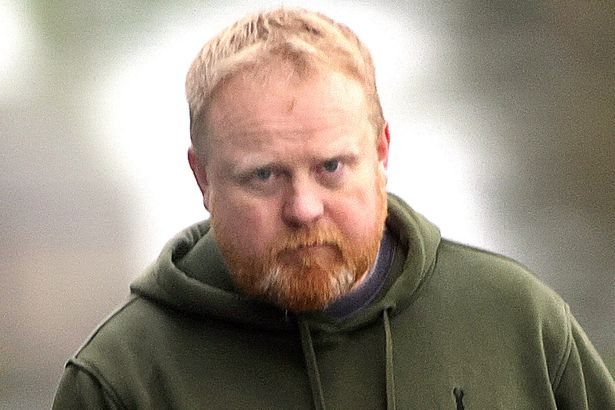
A funeral director has been jailed for 20 years after dozens of bodies were found rotting in his mortuary and bereaved families were given the wrong ashes. Robert Bush, who owned Legacy Independent Funeral Directors in Hull, was sentenced after a judge branded him «heartless».
Bush pleaded guilty to 67 offences spanning 12 years and affecting hundreds of families, including 30 counts of preventing a lawful and decent burial. Police uncovered what was described as a «horror scene» at the funeral home. The case has left many families demanding a full public inquiry into how such offences were possible.
The bodies of adults and babies were among those found, including the remains of a miscarried baby. One foetus was later found in a brown paper bag. The case also involved stillborn babies whose parents were given the wrong ashes, leaving grieving families uncertain about what had happened to their children's remains. Parents of stillborn children described the pain of being handed ashes that did not belong to their child.
During the sentencing proceedings, more than 80 relatives spoke about the pain and shock of learning what had happened to their loved ones. Katie Woolston, from Hull, who was caught up in the scandal, joined bereaved parents in demanding answers. Several mothers have asked: «What happened to our babies?» The court heard about the trust that families had placed in the funeral director when they asked him to care for their dead.
Families affected by the case have called for a public inquiry, saying the full truth about how the offences were committed over such a long period has not yet emerged. For many relatives, the discovery came after they had already held funerals and believed they had been able to say goodbye. The funeral director's actions have caused grief and anger among people who trusted him with some of the most difficult moments of their lives.
One mother of a miscarried baby was among those who described the horror of discovering that the person entrusted with arranging funerals had left bodies to decompose. The revelation that ashes given to relatives may not have been those of their loved ones added to the trauma of people who believed they had said a final farewell.
The case has raised serious questions about the way funeral homes are monitored. Relatives have asked why such offences were able to continue for 12 years and have insisted that a public inquiry is necessary to establish what went wrong.
Bush's 20-year sentence reflects the seriousness of the case. The judge said he had acted without regard for the grief of those who trusted him, and the harm caused to hundreds of families was laid out in detail during the hearing. The offences covered a wide range of failings over more than a decade.
Those affected say they still need to know exactly what happened, who was responsible for oversight, and whether further action is needed to protect other families from similar suffering in the future.