Society 5 min read By Callum Montgomery
Burnham vows to overhaul social care, says carers should be best paid
Prime Minister Andy Burnham has pledged to overhaul the social care system in England, stating that care workers should be "the best-paid people in society, not the worst." He is fast-tracking a review led by Louise Casey, with final recommendations expected by summer 2027.
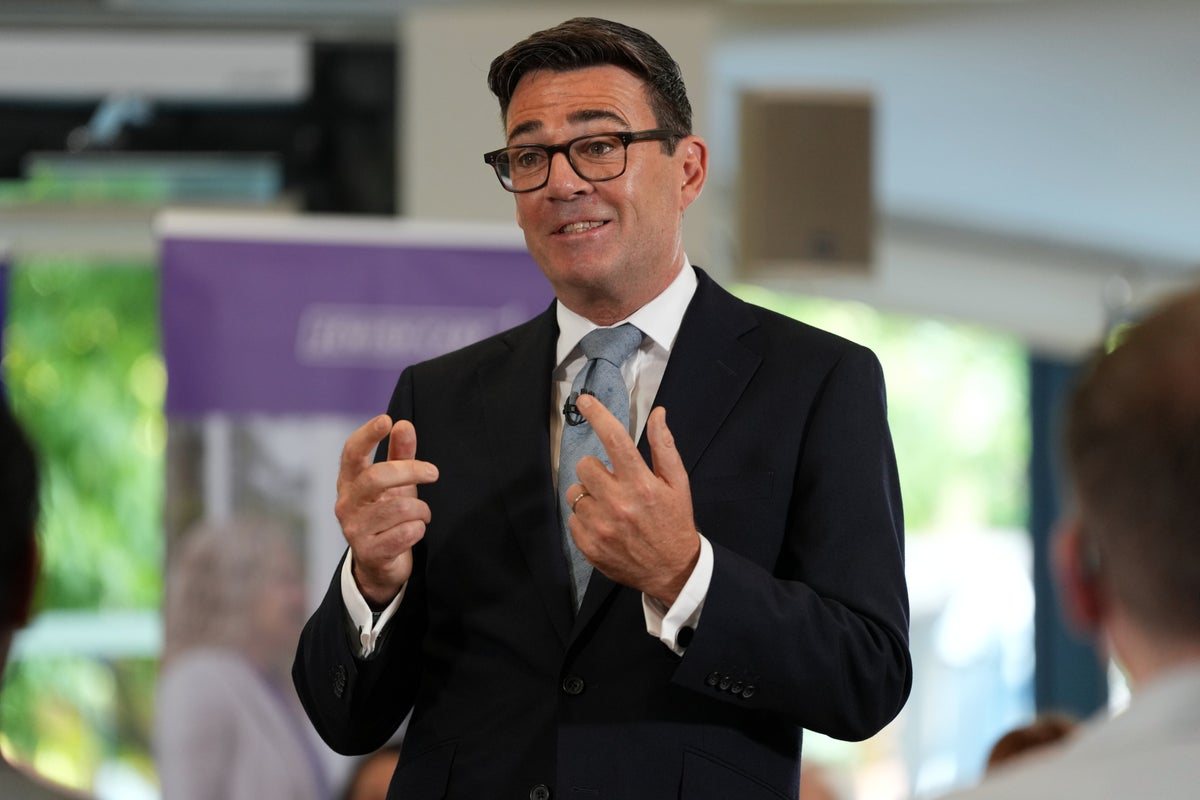
Prime Minister Andy Burnham has committed to a fundamental overhaul of England's social care system, declaring that care workers should be «the best-paid people in society, not the worst». Speaking at an event on Tuesday, Burnham described the current state of social care as «as unfair as American healthcare», and acknowledged that successive governments have failed to address the crisis for decades.
Burnham, who has been advocating for social care reform since his time as health secretary nearly two decades ago, said he was fast-tracking an independent review led by Baroness Louise Casey. The review, which will examine the structure and funding of adult social care, is now expected to deliver its final recommendations by summer 2027. The prime minister noted that the review would consider how to improve pay, conditions, and recognition for care workers, as well as how to ensure sustainable funding for the system.
«There's only one group really to blame, and that's my generation of politicians,» Burnham said, referring to the long-standing failure to reform social care. He added that the experience of having family members receive care had given him a new perspective on the skill and professionalism of care staff. «When someone in your family is receiving care, you look at everything through new eyes,» he said. «I've just been really overwhelmed by their care, the skill in what they do, the professionalism.»
Burnham's remarks come amid growing pressure on the social care system, which is grappling with staff shortages, low wages, and increasing demand from an ageing population. According to government data, around 1.5 million people work in adult social care in England, but many earn close to the minimum wage and face insecure contracts. The vacancy rate in the sector has remained persistently high, with over 150,000 posts unfilled at any given time.
The prime minister drew comparisons with the United States, where healthcare is largely private and often unaffordable for many. He argued that England's social care system was similarly unfair, with people often facing catastrophic costs or receiving inadequate support. «We have a system that is fundamentally broken,» he said. «It is not fair to the people who need care, not fair to the families who pay for it, and not fair to the workers who provide it.»
Burnham also pointed to his government's success in reducing homelessness as proof that difficult challenges can be overcome. «Can I just remind everybody that nobody thought we could get everybody in off the streets? So we can do difficult things in this country and we can do it well,» he said. The reference was to the government's recent achievement of ending rough sleeping, which Burnham said showed the potential for ambitious social policy.
The Casey review is expected to explore a range of options, including a possible new national care service, improved integration with the NHS, and a fairer funding model that may involve higher taxes or a new social care levy. Burnham has ruled out a return to the previous system of means-testing that left many people having to sell their homes to pay for care. Instead, he wants a model that spreads costs across the population and guarantees a minimum level of support for all.
Opposition parties have welcomed the renewed focus on social care but expressed scepticism about the timeline. The Conservative Party accused Burnham of «yet another review» without immediate action, while the Liberal Democrats called for urgent funding to stabilise the sector before 2027. Burnham pushed back, saying that the review would produce interim recommendations within a year and that the government would not wait until the final report to act.
The prime minister acknowledged that reforming social care would require «difficult choices» on tax and spending, but argued that the cost of doing nothing was far higher. «We spend billions on treating people in hospital because we failed to support them at home,» he said. «A properly funded social care system would save money in the long run and, more importantly, give people the dignity they deserve.»
Burnham's commitment marks the most significant political push on social care in years, and signals that the issue is now a top priority for his government. With the Casey review now under way, the coming months will reveal whether the prime minister can finally deliver the reform that has eluded UK governments for decades.