Society 4 min read By Arthur Ellington
Appeals court rules Trump's EPA improperly ended billions in climate funding
A US appeals court has ruled that the Environmental Protection Agency improperly terminated billions of dollars in climate funding under President Donald Trump, in a closely divided decision that represents a setback for the White House.
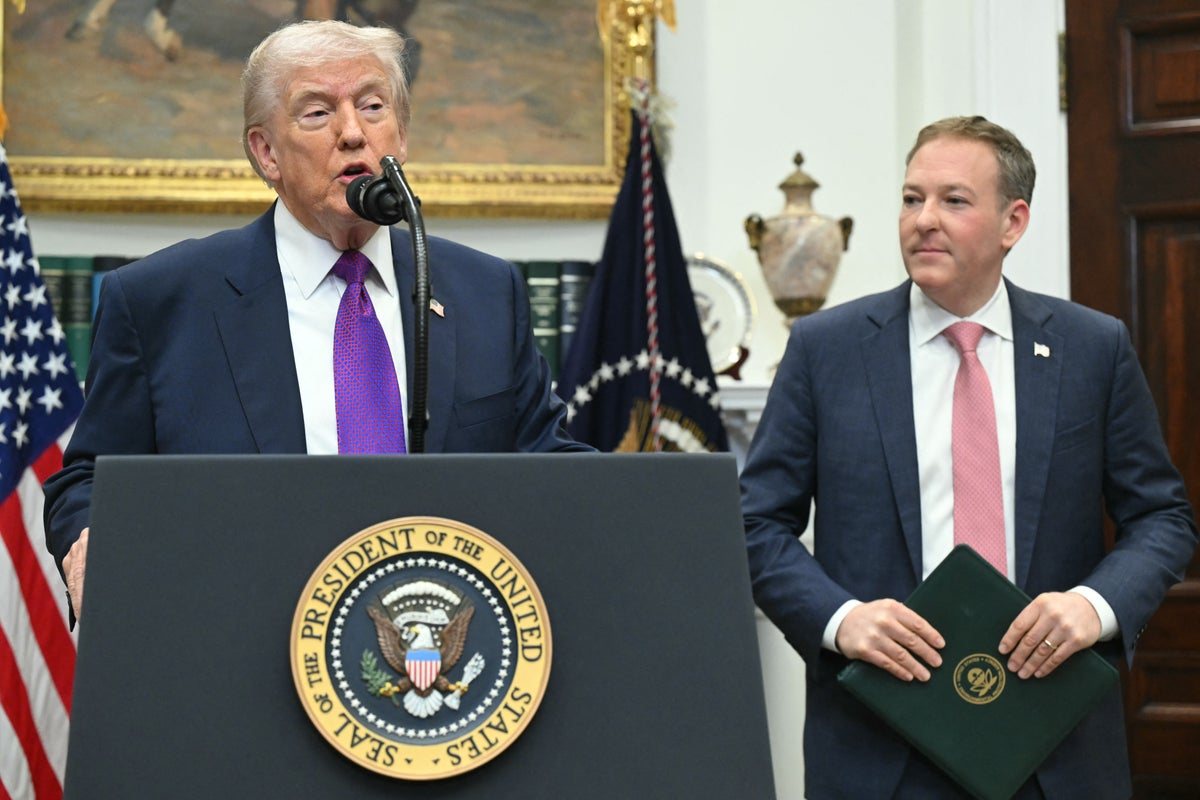
A US appeals court has ruled that the Environmental Protection Agency improperly ended billions of dollars in climate-related funding under President Donald Trump, a closely divided decision that amounts to a setback for the administration.
The ruling concerns an ambitious clean energy financing scheme often described as the «green bank». The programme was designed to turn public money into a catalyst for private investment in projects such as solar installations, wind farms, energy efficiency upgrades and community resilience measures. It was one of the flagship climate initiatives of the Biden era and was intended to direct capital towards communities that have historically found it difficult to attract private funding.
When Mr Trump returned to the White House, his administration moved rapidly to halt the spending. Environmental Protection Agency officials argued that the programme no longer matched the administration's energy priorities and sought to terminate the remaining funding. The decision alarmed environmental groups and recipients of the money, who insisted that Congress had already appropriated the funds and that the agency had no legal authority simply to abandon them.
In its ruling, the appeals court sided with those challengers. The court found that the EPA's termination of the funding was improper because the agency failed to follow the legal requirements that apply once money has been allocated by Congress. The closely divided nature of the decision suggests that the underlying legal questions are finely balanced, but for now the administration has been handed a defeat.
Legal experts said the case highlights an important constitutional principle: the executive branch cannot refuse to spend money that Congress has directed it to spend merely because a new administration disagrees with the purpose of the programme. While presidents enjoy broad discretion over the day-to-day running of federal agencies, that discretion has limits when Congress has made a clear decision about how public money should be used.
The ruling also has wider implications for the Trump administration's broader effort to roll back climate policy. It could affect similar attempts to cancel or claw back other environmental and energy programmes approved under the previous administration. It may also encourage more challenges from groups that believe federal climate spending is being blocked for political rather than legal reasons.
Environmental organisations welcomed the outcome, saying the «green bank» funding was already starting to pay for practical projects in communities across the country, from rooftop solar panels to home insulation and flood protection. They argue that cutting the money would leave those projects unfinished and undermine confidence in long-term climate commitments. Critics of the programme, by contrast, have long described it as wasteful government spending and argue that private investors, not federal bureaucrats, should decide which energy projects deserve support.
The broader political fight over the programme is unlikely to end with this ruling. The decision is a reminder that climate funding remains a fiercely contested issue, with courts now playing a central role in deciding how far an administration can go in reversing the policies of its predecessor.