

Society 5 min read By Bethany Hadley
Andy Burnham social care tax targets London workers and affluent pensioners
Prime Minister Andy Burnham has unveiled a new social care tax that will see higher earners in London and wealthy pensioners contribute the most, as part of his plan to fix Britain's broken care system.
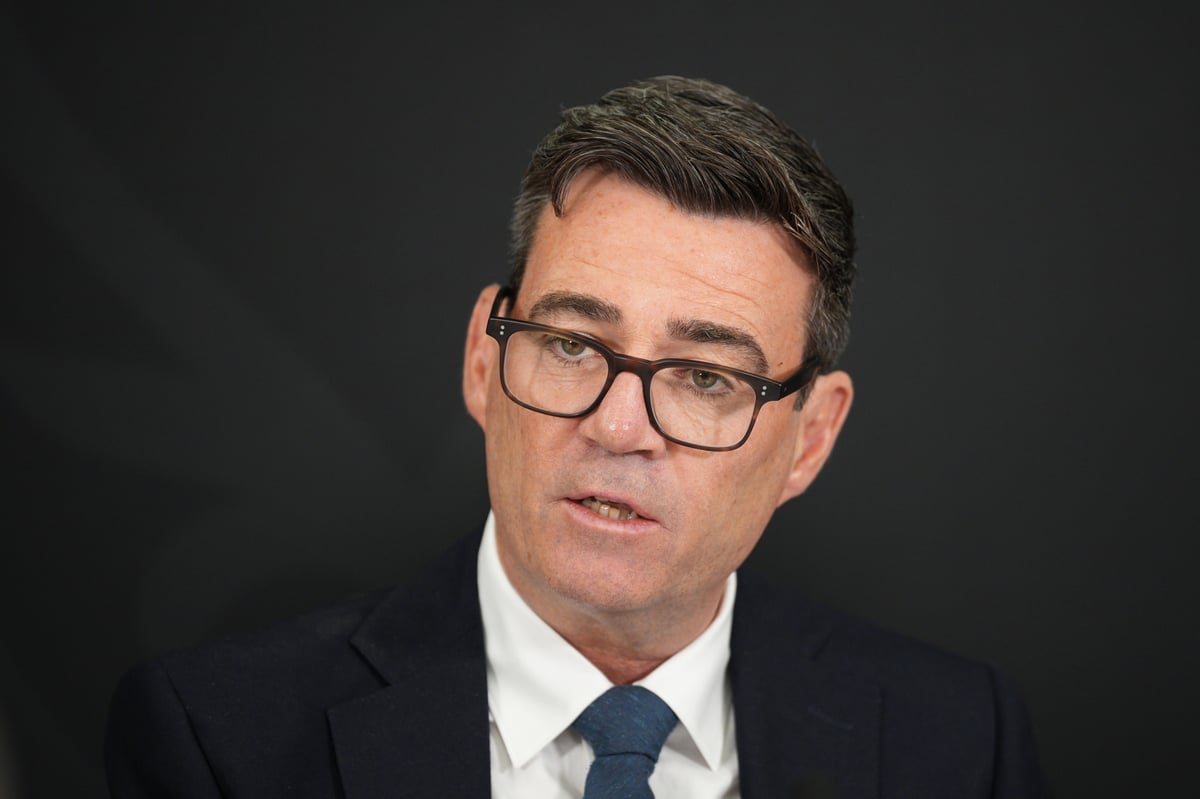
Prime Minister Andy Burnham has announced a new social care tax that would see London workers and affluent pensioners contribute the most, as part of his flagship plan to overhaul Britain's struggling care system. In a major policy speech, Burnham pledged to «put everything I've got» into fixing the broken social care sector, warning that the National Health Service could collapse without a sustainable solution.
The proposed tax is expected to be structured as a levy on earnings and a contribution from pensioners with significant assets, with the burden falling disproportionately on higher-income workers in London and the South East, as well as retirees with substantial property wealth or pensions. The plan aims to raise billions of pounds to fund a long-term reform of social care, which has been underfunded and overstretched for years.
Burnham, who became prime minister after a change in leadership, has called for an end to «political point scoring culture» and invited opposition parties — including the Conservatives and Liberal Democrats — to join urgent cross-party talks. He emphasised that social care is not a partisan issue and that the system's collapse would affect every household. The move signals a break from the previous government's approach, which saw repeated failed attempts to broker a consensus on funding.
The announcement comes amid growing pressure on local authorities and care homes, with many struggling to meet demand due to staffing shortages, rising costs, and an ageing population. Burnham's plan has drawn comparisons to past proposals, including the widely criticised «dementia tax» floated under Theresa May. However, his team insists the new model is designed to be fairer, with protections for those on lower incomes and those with minimal assets.
Critics argue that the tax could penalise working families already facing a high cost of living, particularly in London where housing costs are highest. Meanwhile, some pensioner advocacy groups have expressed concern that well-off pensioners — who may have paid into the system for decades — would face a significant additional levy. Burnham has countered that those with the broadest shoulders must bear the greatest burden, and that the current system is unsustainable without additional funding.
The prime minister's speech also included a stark warning about the interconnection between social care and the NHS. He noted that delayed discharges from hospitals due to a lack of care home places are a leading cause of waiting times and ambulance queues. By investing in social care, the government hopes to relieve pressure on the health service and improve outcomes for patients.
Burnham's cross-party appeal has been cautiously received by opposition leaders. The Conservative Party has signalled willingness to engage in talks but has demanded clarity on how the tax would affect different demographics. The Liberal Democrats have called for a more comprehensive approach that includes mental health support and integration of health and social care budgets. Any eventual deal would require parliamentary approval, which may prove challenging given the current political landscape.
The social care crisis has been a persistent issue in British politics for decades, with successive governments failing to establish a sustainable funding model. Burnham's proposal represents one of the most ambitious attempts to date, but it also carries significant political risk. The tax could prove unpopular among key voter groups, particularly in London and among older, wealthier constituents who typically have high turnout in elections.
In his speech, Burnham sought to frame the plan as a necessary investment in the nation's future, describing social care as «the fabric that holds our society together». He argued that without urgent action, the system would continue to deteriorate, leaving vulnerable people without adequate support and families struggling to cope. The government is expected to publish detailed proposals in the coming weeks, including the exact thresholds and rates for the new tax.