Politics 4 min read By Arthur Ellington
Wilbur Ross: Canada trade talks harder as sentiment toward US sours
Former US Commerce Secretary Wilbur Ross says negotiations with Canada are more difficult now because Canadians have adopted a negative attitude toward the US, complicating efforts to reach a new trade deal.
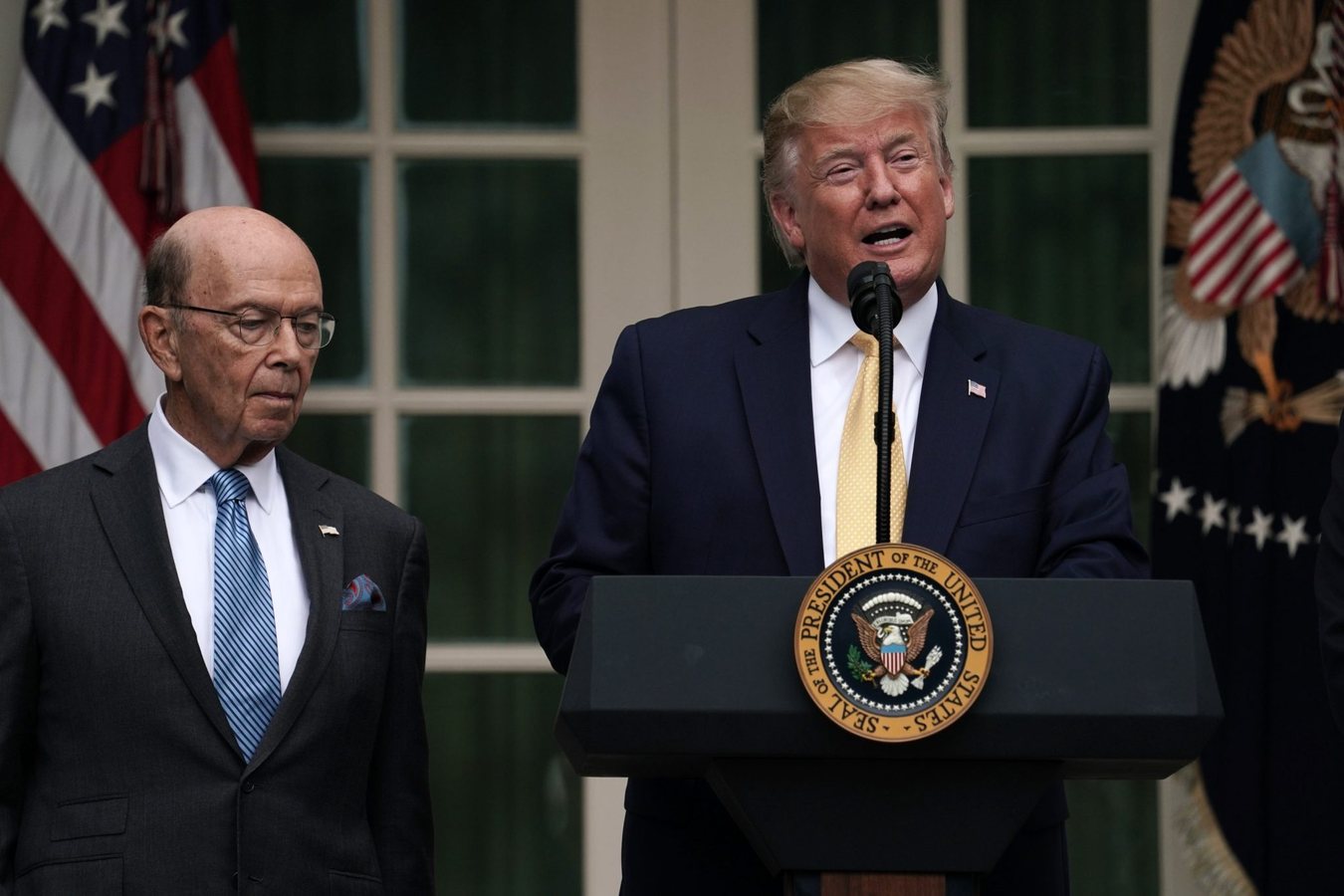
The usually cordial relationship between Washington and Ottawa has soured considerably in recent weeks, with trade talks derailed and the neighbours now levying multi-billion-dollar tariffs against one another. The Trump administration’s latest trade war carries a hefty cost, with some $872.3 billion traded between the nations in 2025. After negotiations collapsed this weekend, Canadian Prime Minister Mark Carney said the US “asked for too much and offered too little,” while President Donald Trump says Canada is “foolish” to engage in a trade war.
Wilbur Ross, who served as US Commerce Secretary during Trump’s first term and led the renegotiation of the North American Free Trade Agreement (NAFTA) with Canada, says the current talks are more difficult because of a fundamental shift in sentiment among Canadians toward their American neighbours. “The Canadians have adopted a very negative attitude toward the U.S. in general, and we can argue, is that justified? Is it not? It doesn’t matter. There’s been a real sea change [and] that’s gonna be a complication because—almost independently of whatever proposal the U.S. might make—there’s probably a political advantage to people in Canada who oppose it,” Ross told Fortune in an exclusive interview.
Evidence of the new distaste is not scarce. Last week, Canadian media reported a leaked audio of Vice President JD Vance at a private function in which he ridiculed Carney as both “sweet” and “hilarious.” Vance reportedly said that Carney “comes in and puffs his chest out and says, ‘I’m going to, like, out-tough Donald Trump.’” Trump has also volleyed insults toward the Prime Minister’s office and his people. The president has continually referred to Canada as the “51st state” of the US and recently suggested renaming Lake Ontario to Lake America—a tactic he also deployed when negotiating with Mexico.
Ross suggests that Trump’s needling over sovereignty is deliberate. “[Trump] sometimes speaks metaphorically, and I think what was at the core of the 51st state was another way of articulating Canada’s dependence on the U.S.,” Ross said. “Just mechanically, how would we ever do that? If you put it up for a plebiscite, at least at present, I don’t think there’s any chance the Canadian public would vote for it. Would you invade them? I don’t see it.”
The issues under debate are nothing new, Ross said: defence spending, dairy levies, and transshipments—whereby imports from places like China bypass US duties by coming through a neighbouring nation. Trump wants new agreements on these issues, but Ross believes the White House won’t go much further out of its way to secure them. The former cabinet secretary believes the deal offered by the US was surprisingly favourable to Canada. If there were to be further negotiations, Ross added, the impetus would need to come from the Canadian side. “I don’t see the U.S. taking the initiative,” he said.
Carney would clearly disagree; the former Bank of England governor maintains his team was “pragmatic, patient, and persistent,” adding: “We have pursued every opportunity to reach an agreement.” A return to the negotiating table may be prompted by consumer price increases: both Canada and the US are facing elevated inflation, in part due to the conflict in the Middle East, which is choking the oil supply. Ross, perhaps unsurprisingly, suggests Canada may be the first to buckle because “their economy is so much smaller than ours.”
67