Politics 5 min read By Alice Ashford
US Socialism Support Hits Record High as Trump Campaigns Against It
A new Gallup poll shows 43% of Americans hold a positive view of socialism, the highest since 2010, driven by independents and young adults. The White House has responded with taxpayer-funded ads attacking communism and socialism.
Support for socialism in the United States has reached its highest level on record, with 43% of Americans now holding a positive image of the concept, according to a new Gallup poll. The figure is the highest since the pollster began asking the question in 2010 and represents a significant shift in public opinion that has prompted a fierce response from the White House.
The poll, based on telephone interviews with 1,200 adults between 3 and 24 August, found that the gain came almost entirely from political independents. Some 45% of independents now view socialism positively, up from 37% a year earlier. Democrats have been warming to the term for more than a decade, but the latest surge among independents suggests the label is losing its Cold War stigma.
Socialism still trails capitalism, which 55% of Americans view positively, and free enterprise, which scores 77%. But big business has slipped below socialism in public esteem. Its positive rating has fallen from 49% in 2010 to 35%, meaning more Americans now feel warmly about socialism than about major corporations.
The shift is most pronounced among young adults. Americans aged 18 to 34, the prime first-home-buying age, view socialism more positively than capitalism by 57% to 43%. By contrast, those aged 55 and older, most of whom already own homes, favour capitalism by roughly two to one. The divide reflects a broader economic anxiety: first-time buyers made up just 21% of home purchases in the National Association of Realtors' latest annual survey, the lowest share since the group began tracking in 1981.
Vice President JD Vance has acknowledged the trend, warning fellow Republicans against blaming young people for being sympathetic to socialism. In July, he told Joe Rogan that unless young Americans are allowed to own something, «socialism is the inevitable outcome». He later told Fox News: «If we don't get this right, don't blame young people for being sympathetic to socialism. We've got to blame ourselves.»
The White House has taken a different approach. On the night Gallup released its poll, the administration began airing a taxpayer-funded advertisement in which President Trump says: «Together we will defeat communism, socialism and Marxism in America.» The spot, labelled as paid for by the US government, ran on Fox News in major markets. By Sunday, a third government-funded ad, in which Trump vows to cast out communists and Marxists, was airing during NFL games.
The ads could not have influenced the poll results, as Gallup's interviews ended about a month before the first advertisement aired. The timing nonetheless underscores the political sensitivity of the issue. Trump used his Fourth of July speech marking the country's 250th birthday to attack the «communist menace» as «the exact opposite of life, liberty and the pursuit of happiness».
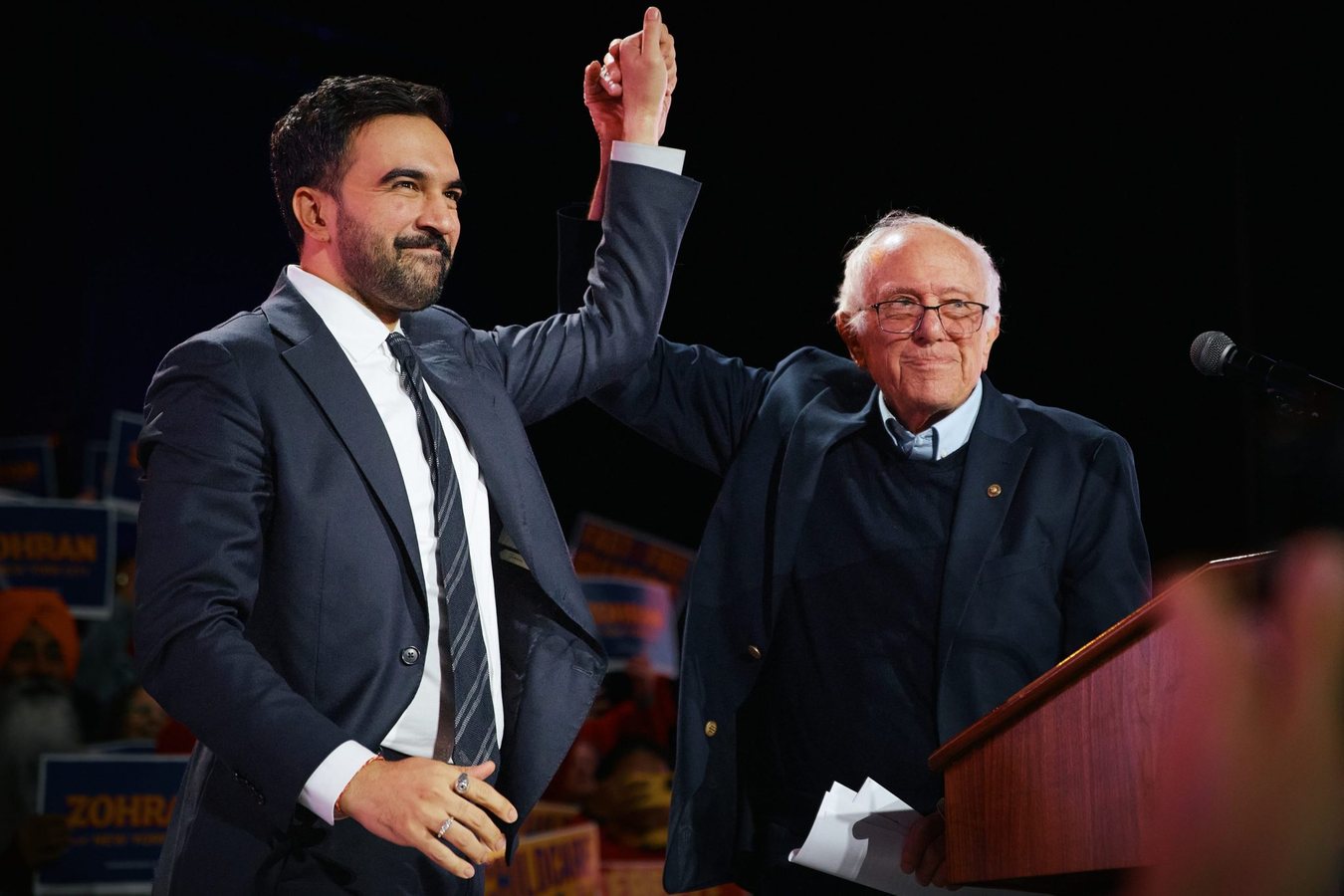
The meaning of socialism itself has shifted over time. In 1949, the most common definition Americans gave was government ownership of business. By 2018, it was equality. The pandemic gave millions a taste of government help through stimulus cheques and free COVID-19 vaccines, and politicians who embrace the label have since gone national. Zohran Mamdani, a member of the Democratic Socialists of America, is now mayor of New York City. Abdul El-Sayed, a progressive backed by Senator Bernie Sanders, won Michigan's Democratic Senate primary in August despite nearly $65 million in outside spending against him.
Gallup asked for people's gut reactions to words, defining none of them. Respondents tied socialism to both economic security and government overreach, and capitalism to both innovation and inequality. Support for competition and market choice remains broad, even among the groups warmest to socialism. The poll suggests that for many Americans, the debate is less about ideology than about whether the economic system is delivering a fair shot at ownership and stability.
10