Politics 6 min read By Callum Montgomery
US homeland security chief vows to pursue voter fraud after Trump claims
The US homeland security secretary, a close Republican ally of Donald Trump, has pledged to investigate and prosecute voter fraud, threatening fines, penalties, or prison for officials who fail to secure elections, amid ongoing unsubstantiated claims by the former president.
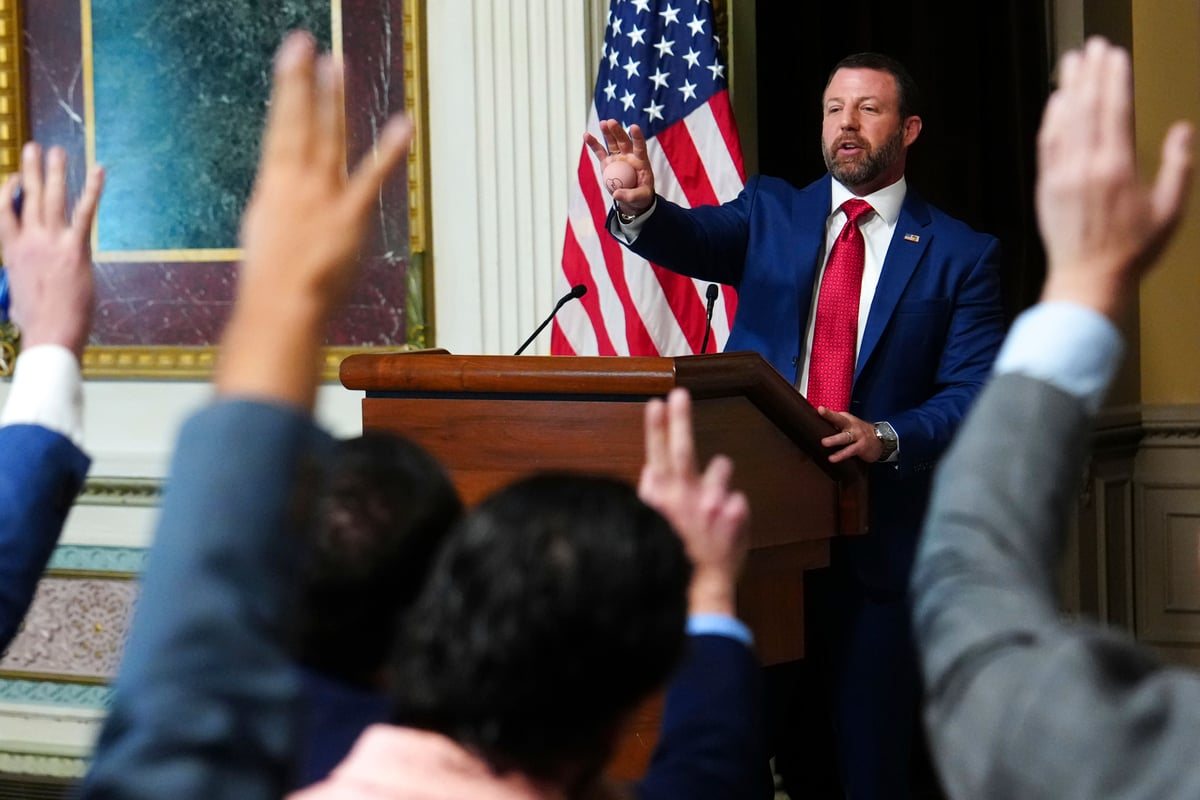
The United States homeland security secretary has vowed to aggressively pursue cases of voter fraud, warning that election officials who fail to secure their ballots could face fines, penalties, or even prison. The announcement, made by a close Republican ally of former President Donald Trump, comes as Trump continues to make unsubstantiated claims about widespread fraud in the 2020 election and signals his intention to scrutinise future elections.
Speaking at a press conference in Washington, the homeland security chief stated that his department would prioritise the investigation of any irregularities in the electoral process, particularly those that could undermine public confidence in the outcome. He emphasised that the federal government would not tolerate what he described as «illegal interference» in elections, and that officials at all levels would be held accountable for any lapses in security or integrity.
The remarks represent a significant escalation in the Trump-aligned wing of the Republican Party's campaign to challenge the legitimacy of election results. Trump himself has repeatedly alleged, without providing evidence, that the 2020 presidential election was stolen from him through widespread fraud, a claim that has been rejected by multiple courts, state election officials, and his own attorney general at the time.
Critics argue that the homeland security chief's threats are politically motivated and risk intimidating election workers and local officials who are already under pressure. Voting rights advocates have expressed concern that such rhetoric could lead to unwarranted prosecutions and further erode trust in the democratic process. They point out that numerous independent audits and reviews have confirmed the integrity of the 2020 election, with no evidence of systemic fraud.
The homeland security department has jurisdiction over election security matters, including the protection of voting infrastructure from cyber threats and physical interference. However, the direct threat of criminal prosecution against election officials marks a departure from the department's traditional role, which has focused on providing guidance and resources to states rather than punitive measures.
Legal experts have questioned the legal basis for such prosecutions, noting that election administration is primarily a state responsibility under the US Constitution. Federal law does provide for penalties in cases of intentional fraud or interference, but the threshold for proving such violations is high. The homeland security chief's comments have been interpreted by some as an attempt to pressure state and local officials to adopt stricter voter identification laws and other measures favoured by Republicans.
Trump, who remains the dominant figure in the Republican Party, has continued to amplify his fraud claims in public appearances and on social media. He has endorsed candidates who share his views on election integrity and has called for a nationwide crackdown on what he terms «illegal voting». His allies in Congress have also introduced legislation aimed at tightening voter registration and ballot security, though such bills have faced opposition from Democrats who argue they would suppress turnout among minority and low-income voters.
The homeland security chief's vow to hunt down voter fraud has drawn sharp reactions from both sides of the political aisle. Democratic leaders have accused the administration of weaponising the justice system for partisan gain, while some Republicans have praised the move as a necessary step to restore confidence in elections. The debate is likely to intensify as the 2024 presidential election approaches, with both parties gearing up for what is expected to be a highly contested race.
In the meantime, election officials across the country are bracing for increased scrutiny and potential legal challenges. Many have reported a rise in threats and harassment since the 2020 election, a trend that advocacy groups attribute to the spread of misinformation about fraud. The homeland security department has pledged to provide additional security resources to protect election workers, but the promise of prosecutions has added a new layer of tension to an already fraught environment.
The broader implications of this policy shift extend beyond the immediate political battle. By threatening officials with criminal consequences, the federal government is signalling a more aggressive stance on election oversight, one that could reshape the relationship between Washington and the states. Whether this approach will deter fraud or simply deepen partisan divisions remains to be seen, but it is clear that the issue of election integrity will remain a central flashpoint in American politics for the foreseeable future.
81