
Politics 6 min read By Alice Ashford
US defence secretary tells Senate Iran war has cost $37.5bn so far
Pete Hegseth faced a hostile Senate appropriations committee on Tuesday, revealing that the US-Israel military campaign against Iran has cost $37.5 billion to date, as he requested nearly $88 billion in additional funding. The hearing was marked by furious protests and sharp questioning from lawmakers concerned about the escalating price tag and the recent deaths of three American service members.
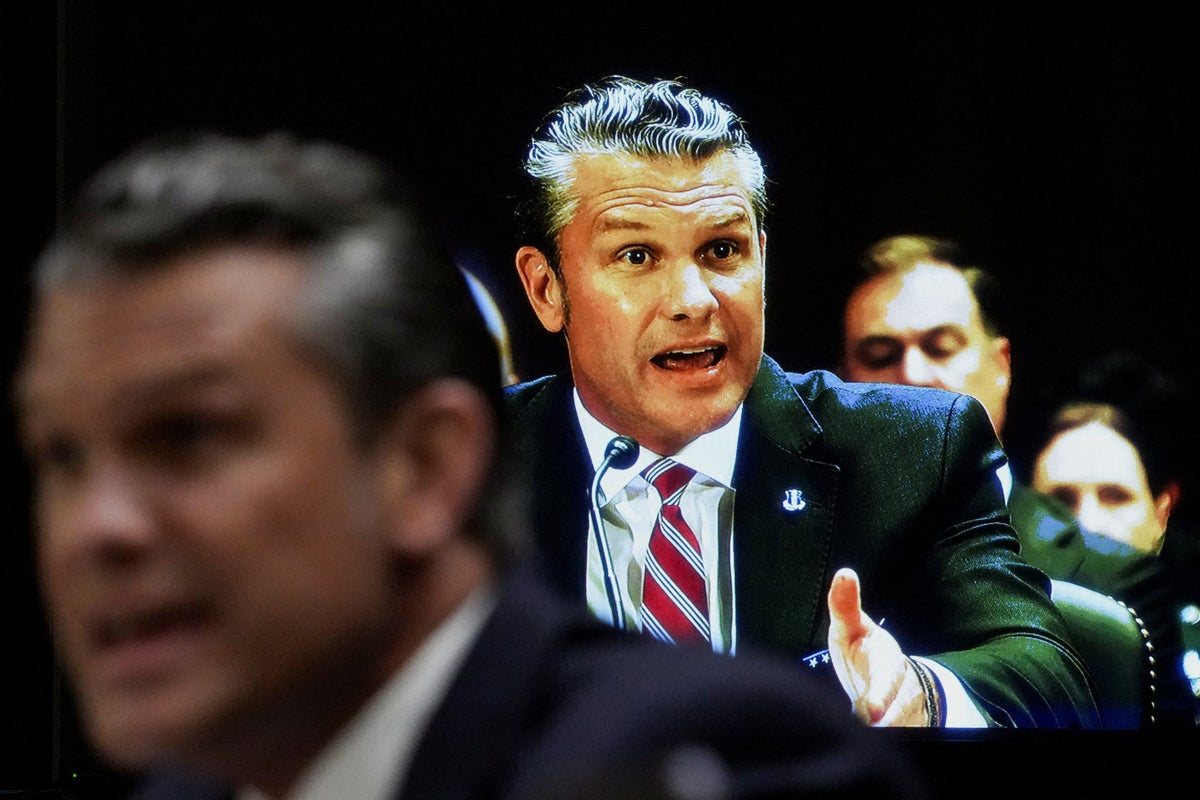
The US defence secretary, Pete Hegseth, told the Senate on Tuesday that the American-Israeli military campaign against Iran has cost $37.5 billion so far, as he faced a storm of criticism from lawmakers over the conflict's soaring price tag and the recent deaths of three American service members. Appearing before the Senate appropriations committee, Hegseth provided an updated account of the war's cost — significantly higher than previous estimates — and defended the Trump administration's request for roughly $88 billion in supplemental funding, which he described as «urgent and necessary».
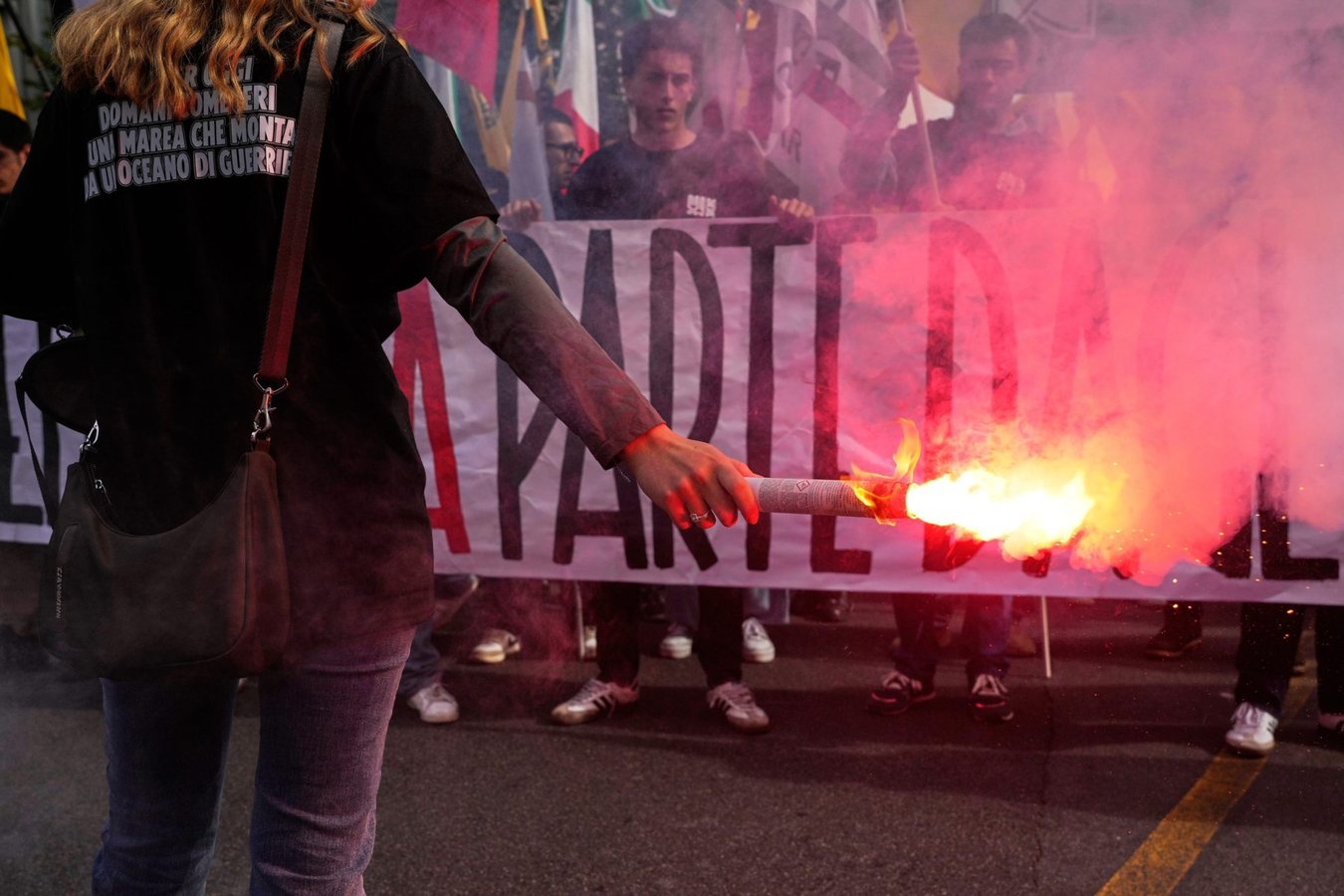
The hearing was repeatedly interrupted by protesters voicing fury over the ongoing conflict. Capitol Police officers removed several demonstrators from the chamber as Hegseth attempted to deliver his opening remarks. The scenes underscored the deep divisions in Washington over the military campaign, which has now entered its second year with no clear end in sight.
Senators from both parties pressed Hegseth on the strategic rationale for the war and the mounting financial burden on American taxpayers. Several lawmakers noted that the $37.5 billion already spent represents only a fraction of the total cost, with the new request pushing the overall price tag well beyond $125 billion. Critics argued that the money could be better spent on domestic priorities such as healthcare, infrastructure, and education.
«How much is enough?» asked one senator during the exchange, reflecting the growing frustration among lawmakers who feel the administration has not provided a clear exit strategy. Hegseth responded by emphasising the need for a «generational investment» in the nation's military capabilities, arguing that the campaign against Iran is essential for long-term regional stability and American national security interests.
The defence secretary's appearance came just days after the deaths of three American service members in Iran, a development that has intensified scrutiny of the conflict. Hegseth offered condolences to the families of the fallen troops but did not provide new details about the circumstances of their deaths. The losses have added a personal and emotional dimension to the debate, with several senators demanding greater accountability and transparency from the Pentagon.
Independent analysts have noted that the cost of the Iran war is already approaching the level of some of the most expensive US military engagements in recent decades. The $37.5 billion figure includes expenses for operations, equipment, logistics, and support for allied forces, particularly Israeli units. The new funding request, if approved, would cover an additional year of operations and includes provisions for replenishing munitions, maintaining troop levels, and expanding intelligence operations in the region.
Hegseth's testimony was also marked by tense exchanges with Republican senators who have traditionally supported the administration but are now expressing doubts about the war's direction. One prominent Trump ally reportedly berated Hegseth over the lack of a coherent strategy, questioning whether the administration had a realistic plan for ending the conflict. The defence secretary struggled at times to provide specific answers, retreating to what critics described as «embarrassing buzzwords» and vague references to strategic imperatives.
The hearing highlighted the growing political liability that the Iran war has become for the administration. With midterm elections approaching, lawmakers are increasingly wary of supporting a conflict that shows no signs of resolution and continues to consume billions of dollars. Public opinion polls have shown declining support for the war, with a majority of Americans now believing that the United States should reduce its military involvement in the region.
Protesters outside the hearing room carried signs reading «Stop the War» and «Fund Our Communities, Not War», reflecting the broader public sentiment. Inside the chamber, Hegseth insisted that the administration remains committed to achieving its objectives in Iran, which he described as dismantling the country's nuclear programme and curbing its regional influence. However, he offered no timeline for withdrawal or victory, leaving senators and the public with more questions than answers.
The supplemental funding request now moves to the full Senate for consideration, where it is expected to face significant opposition from both progressive Democrats and some fiscal conservatives. The outcome of the vote will be a key test of the administration's ability to maintain congressional support for the war effort as costs continue to mount and American casualties increase.
93