Politics 5 min read By Arthur Ellington
Trump uses presidential address to undermine confidence in US elections
Donald Trump delivered a primetime address from the White House, alleging without evidence that China interfered in the 2020 election and illicitly obtained voter data, in what critics describe as an effort to destabilise the electoral system ahead of the midterms.
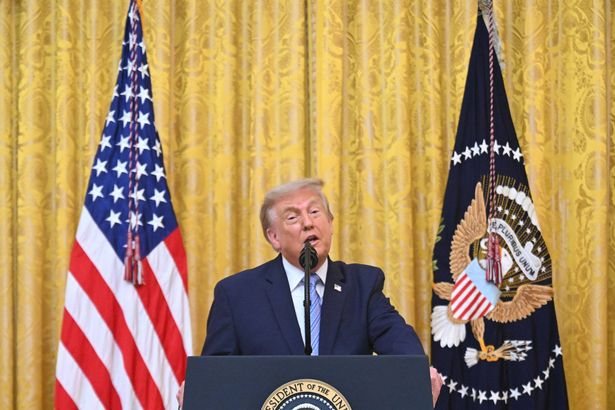
Donald Trump used the authority of the presidency and United States intelligence agencies on Thursday to deliver a primetime address that appeared designed to undermine public confidence in American elections ahead of November’s midterm contests. Speaking from the East Room of the White House, the president claimed his administration had uncovered new evidence of foreign interference in the 2020 election, alleging that China had illicitly acquired voter information on 220 million Americans.
Trump did not provide specific evidence for the claim, and election security experts have noted that voter roll data is publicly available for purchase in many states. The president also asserted that China had interfered in other ways to damage his 2020 campaign and that intelligence officials had suppressed the information. The address was widely interpreted by analysts and political opponents as an attempt to lay the groundwork for challenging the legitimacy of future election results if they do not favour him or his party.
The speech came at a time of heightened political tension in the United States, with the midterm elections just months away and control of both chambers of Congress at stake. Trump has repeatedly made unsubstantiated claims about election fraud since his 2020 defeat, and Thursday’s address marked an escalation by using the formal setting of the White House and the platform of a presidential broadcast to amplify those assertions. Critics accused him of weaponising his office and intelligence agencies for partisan purposes.
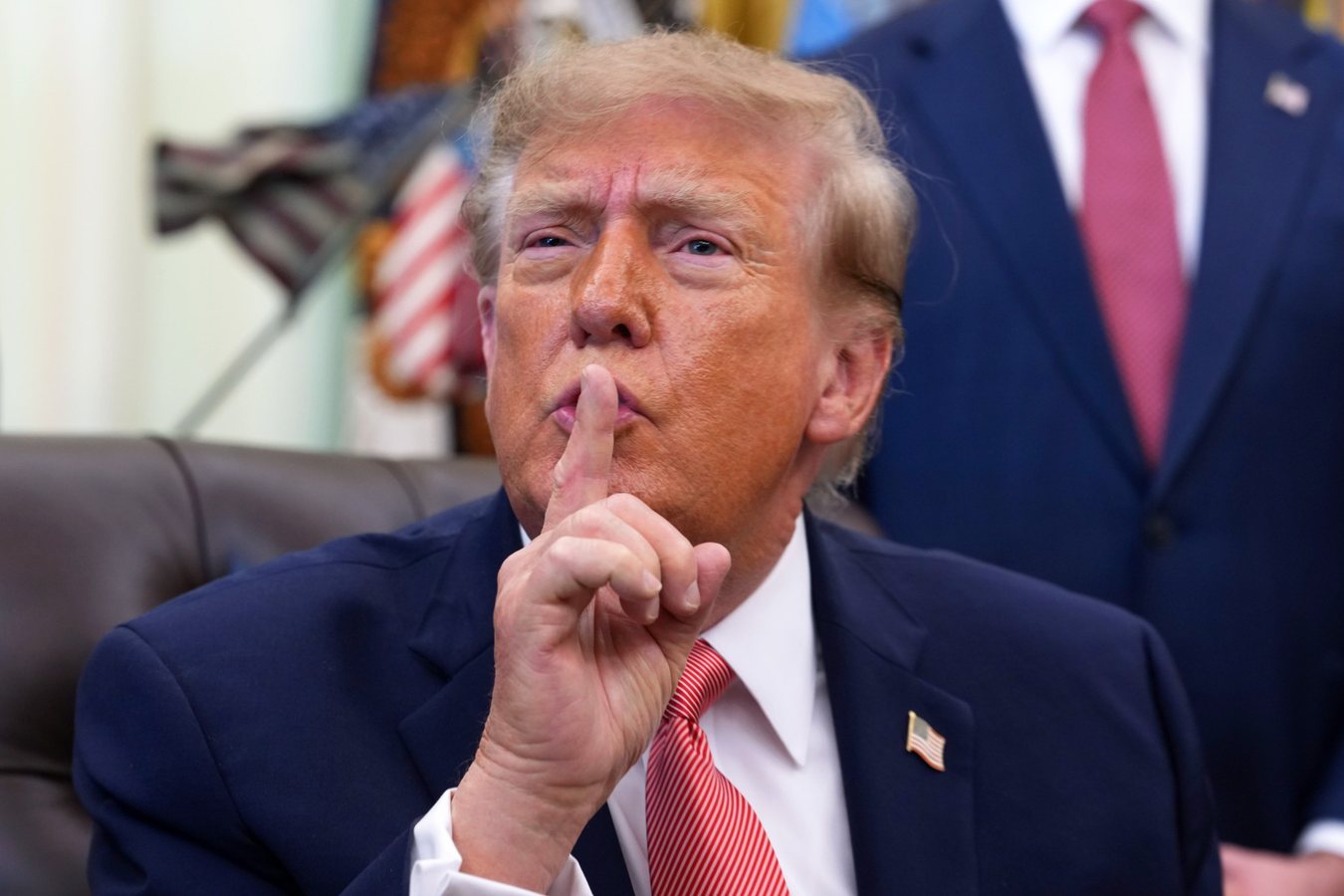
Body language expert Dr Lillian Glass, who analysed the address, described it as “one of the most restrained public speeches” she had seen from the president, though she noted one moment when emotion broke through. The relatively subdued delivery did little to dampen the political fallout, with Democratic leaders and several election security officials quickly condemning the address as misleading and dangerous. They argued that baseless allegations of foreign interference risked eroding trust in democratic institutions and could provoke unwarranted diplomatic tensions with Beijing.
China has consistently denied any involvement in interfering with US elections. The Chinese foreign ministry has previously dismissed similar allegations as baseless and accused Washington of using unsubstantiated claims to distract from domestic issues. Trump’s address did not present any new intelligence assessments or declassified documents to support his assertions, leading some former intelligence officials to question the veracity of the claims.
The president’s remarks also drew attention to the broader debate over election security in the United States. While federal and state authorities have invested heavily in protecting voting systems since 2016, when Russian interference was documented, experts warn that the greatest threat to electoral integrity now comes from disinformation and efforts to delegitimise results from within. Trump’s address, by casting doubt on the 2020 outcome and suggesting ongoing foreign manipulation, was seen by many as feeding that internal threat.
Republican reactions were mixed. Some party figures echoed Trump’s allegations and called for investigations, while others remained silent or urged focus on policy issues ahead of the midterms. The address is likely to intensify debate within the party about how to approach election integrity messaging and whether to continue centring campaigns on unproven claims of fraud.
In the days following the speech, several state election officials reaffirmed the security of their voter databases and noted that no credible evidence of Chinese hacking or data theft had been shared with them. The Department of Homeland Security and the FBI have not issued any public alerts related to the specific claims made by Trump. The episode underscores the ongoing challenge of maintaining public trust in the electoral process amid persistent political polarisation and the proliferation of unverified allegations.
96