Politics 4 min read By Callum Montgomery
Burnham denies stopping ministers discussing closer EU ties
The prime minister has rejected claims that he curbed ministers from speaking publicly about possible closer links with the European Union, while asking them not to advocate specific options.

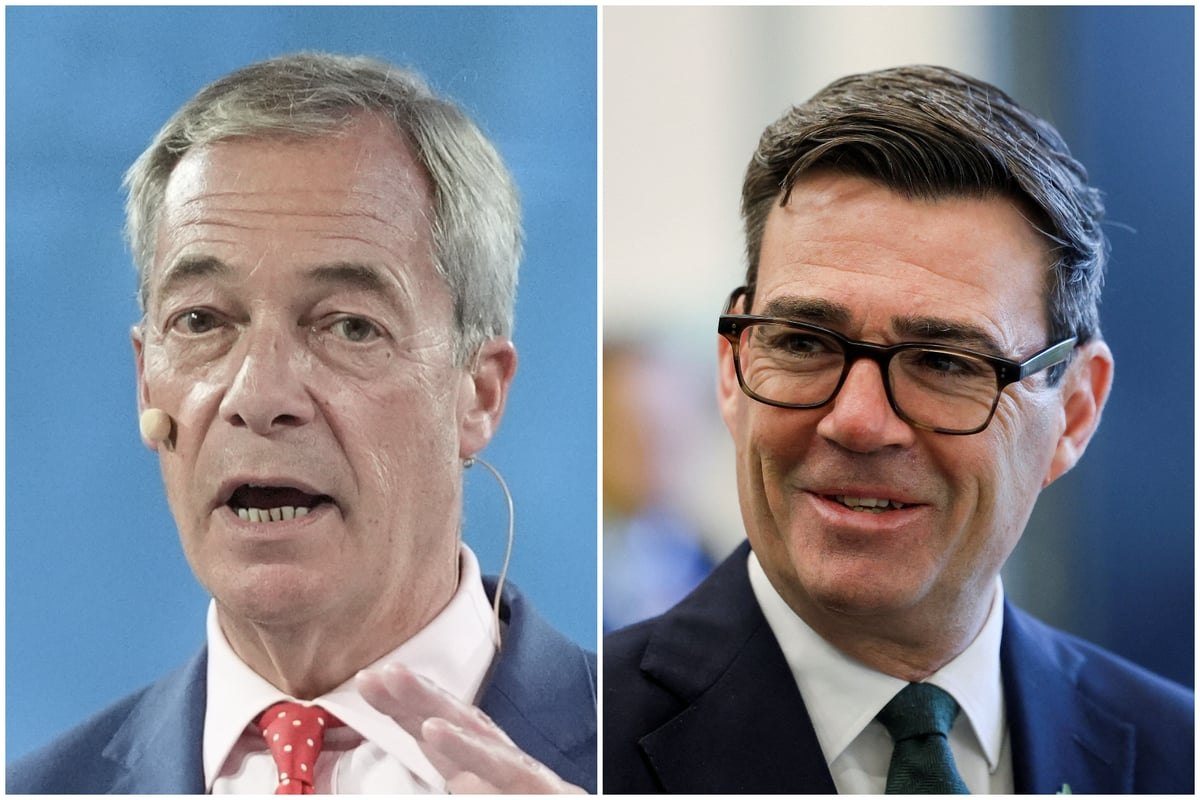
Prime Minister Andy Burnham has denied that he has stopped ministers from discussing plans for a closer relationship with the European Union. He said he had written to cabinet colleagues asking them not to « advocate for specific options or opine on the likely outcome of the process », a request that has drawn scrutiny over how openly the government can debate the issue.
The instruction was framed as a matter of process rather than a gag. By asking ministers to avoid predicting results or backing particular routes, Downing Street aims to keep the review neutral while it is under way. Burnham's office has maintained that the letter does not prevent ministers from discussing the subject in general terms, and that the aim is to protect the integrity of the work before any conclusions are reached.
The row comes as the government faces wider questions about the public finances and the direction of economic policy. Ministers have been asked to accept difficult choices in the period ahead, and the question of Britain's future trading arrangements with its largest neighbour is closely tied to growth, prices and household incomes. Businesses that trade across the Channel have long argued that border frictions raise costs, delay deliveries and discourage investment, which is why any shift in the relationship draws close attention from industry.
Burnham's denial was made during a day of political coverage in which the Chancellor's fiscal plans and the outlook for living standards were also under discussion. Related reporting has pointed to warnings from think tanks and the Institute for Fiscal Studies that Britain faces an unprecedented squeeze on incomes, with the next few years described as potentially painful for many households. The IFS has argued that the pressure on living standards is not a short-term blip, and commentators have linked that outlook to the government's room for manoeuvre on taxes and spending.
Several party leaders and business groups are expected to press the government on how a closer EU relationship would affect trade costs, investment and wages. Supporters of closer ties argue that clearer engagement with the bloc would ease friction and support growth, while critics want the government to set out its objectives and red lines before committing to a course. Opposition parties are likely to ask whether a ministerial instruction of this kind limits parliamentary scrutiny and public debate.
Healey, who has been speaking about the tough choices ahead, has accepted that difficult decisions will be needed, and a think tank has warned that the 2020s could be the worst decade for living standards growth in a long period. Those warnings have sharpened the question of how the government plans to balance fiscal discipline with the need to restore incomes. The government has not yet set a timetable for publishing its conclusions on the EU question, so Burnham's letter is likely to remain the focus of debate over how much room ministers have to discuss the issue publicly.
4