Politics 5 min read By Alice Ashford
Trump opens US market to 300,000 tonnes of tariff-free beef imports
President Trump has announced a temporary three-month opening of the US market to 300,000 metric tons of ground beef imports without out-of-quota tariffs, claiming a commitment that the beef will be sold 25 percent below current market prices. The move is a notable retreat from protectionist tariff logic as beef prices approach $7 per pound and the American cattle herd sits near multi-decade lows.
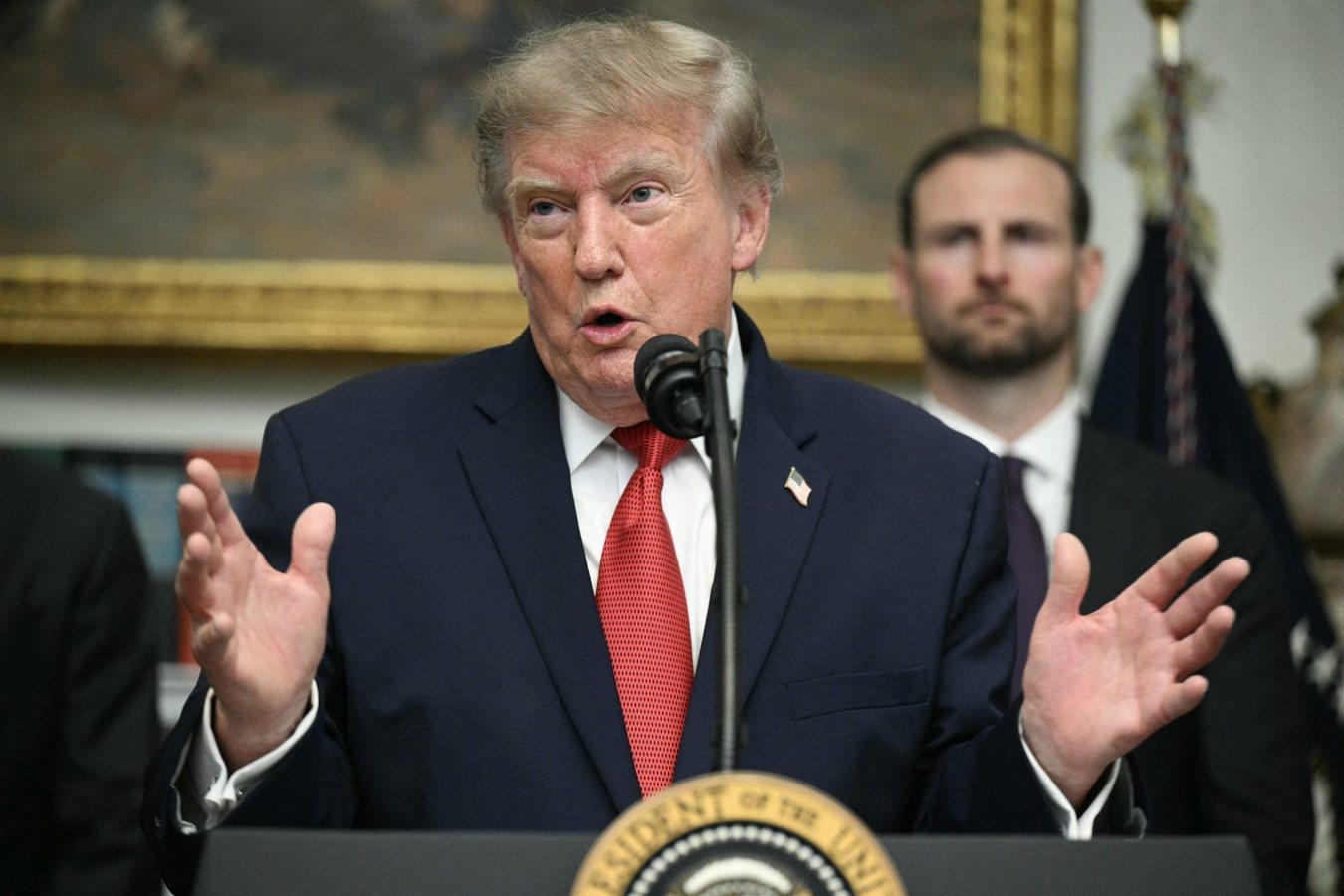
President Donald Trump is temporarily opening the US market to additional beef imports over the next three months, allowing up to 300,000 metric tons of product to enter the country without being subject to out-of-quota tariffs. The move is designed to ease pressure on domestic beef prices, which have climbed to near-record levels as the American cattle herd sits at its smallest size in decades.
In a Truth Social post on Friday, Trump said the deal would reduce prices for American consumers while providing space for the domestic herd to recover. He claimed a commitment that the imported beef will be sold at 25 percent below current market prices. However, the president's post did not name any companies that have made these commitments, nor did it specify which foreign exporters had agreed to the discount or whether any importers would actually sell the meat at the promised reduction.
A White House spokesperson told Fortune that Trump will formally sign an executive order to this effect within the next two weeks. The order will apply only to lean beef trimmings used for ground beef production. The spokesperson added that the president has already secured deals with foreign exporters to provide the 25 percent discount, and blamed elevated beef prices on supply shortages that began under the previous administration.
The announcement represents a significant retreat from the protectionist logic that has underpinned Trump's tariff agenda. The president has spent years arguing that tariffs would protect American producers, raise revenue and ultimately benefit US consumers. Now, with beef prices stubbornly high, his administration is turning to cheaper foreign supply to put downward pressure on prices.
Ground beef prices are approaching $7 per pound. The average price reached $6.89 per pound in July, up about 10 percent from a year earlier and 57 percent from five years ago, according to data from the Federal Reserve Bank of St. Louis. The US cattle herd, meanwhile, is near its lowest level since the 1950s, a consequence of years of drought, rising pasture and feed costs, and ranchers reducing their herds in response.
The news was not well received by domestic cattle groups. The National Cattleman's Beef Association took issue with the White House's approach to flood the market with subsidised foreign products. In a statement responding to Fortune's request for comment, NCBA CEO Colin Woodall said that while America's cattle producers share the goal of keeping groceries affordable, flooding the market with government-subsidised, below-market beef is not the way to rebuild the American cattle herd. He argued that the announcement and other market interventions throw cold water on the prospect of herd expansion and sacrifice long-term stability for short-term messaging.
Steve Hanke, an economist at Johns Hopkins University who also trades cattle, told Fortune the beef episode shows the problem with using tariffs when domestic supply is already constrained. He said the big theme is that Trump has finally learned with hamburger that tariffs are simply taxes on American consumers, and that he has learned it at the grocery store the hard way.
Hanke noted that the beef shortage is not primarily a consequence of one short-term disruption. The underlying problem is that the American cattle herd has been shrinking for years, worsened by drought and the resulting pressure on pasture and feed costs. Strong domestic demand for beef has kept pressure on the dwindling supply, making Trump's tariff policy particularly awkward for the sector. The US needs more cattle and more beef, but tariffs make imported beef more expensive. If domestic producers cannot immediately make up the difference, consumers absorb the higher prices.
Brazil is particularly relevant to the debate because it is one of the world's major beef producers and a significant source of beef imports for the US. Yet the Trump administration has imposed a 25 percent tariff on certain Brazilian goods following a US Trade Representative investigation into Brazilian trade practices. The investigation found Brazilian policies unreasonable or discriminatory toward US commerce. Hanke argues the policy is working against the administration's own objective of bringing down food prices, concluding that tariffs are not a cure-all and are always a tax on American consumers.
59