Politics 4 min read By Arthur Ellington
US senators agree energy permitting deal with vote set for after midterms
A bipartisan group of US senators has reached a deal on legislation to speed up permits for energy and infrastructure projects, with a vote expected after November's midterm elections. The agreement aims to unblock grid and pipeline approvals but faces opposition from both environmental and industry camps.
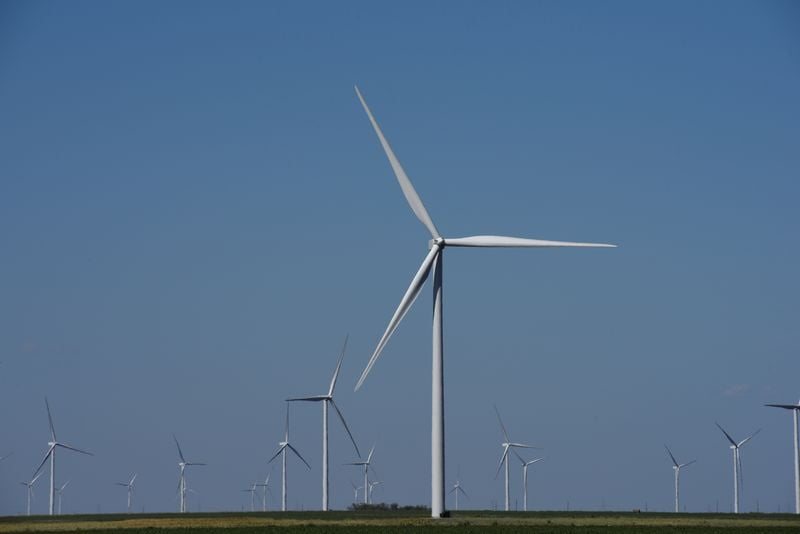
A bipartisan group of US senators has struck a deal on legislation to overhaul the federal permitting process for energy and infrastructure projects, with a vote now expected after November's midterm elections. The agreement, announced by senators involved in months of negotiations, seeks to accelerate approvals for a wide range of projects, from electricity transmission lines to natural gas pipelines and renewable energy installations.
The deal represents a rare moment of cross-party consensus on energy policy in a Congress that has been deeply divided on climate and fossil fuel issues. Supporters argue that the current permitting system is too slow and cumbersome, delaying critical infrastructure and driving up costs for consumers and businesses. The proposed bill would set deadlines for federal agencies to complete environmental reviews and would streamline the judicial review process for certain projects.
Senators involved in the talks said the timing of the vote was pushed to after the midterms to avoid politicising the measure during campaign season. The decision also reflects the need to build broader support within both parties, as the bill touches on sensitive issues including fossil fuel development and environmental protections. The deal follows earlier efforts to attach permitting reform to must-pass government funding legislation, which ultimately failed amid opposition from some lawmakers.
Business groups, including energy trade associations and manufacturers, have broadly welcomed the agreement, saying it would provide greater certainty for long-term investment. They argue that without faster permitting, the US risks falling behind in both traditional energy production and the buildout of clean energy infrastructure needed to meet climate goals. However, the bill has drawn criticism from some environmental organisations, which warn that it could weaken environmental safeguards and fast-track projects without adequate community consultation.
On the other side, some conservative lawmakers have expressed concerns that the reforms do not go far enough to support oil and gas development, while progressive Democrats worry that the legislation could undermine existing environmental laws. The balance of these competing interests will determine whether the bill can pass both chambers of Congress after the elections.
The outcome of the midterm elections will also shape the bill's prospects. If control of Congress shifts, the legislative calendar and priorities could change significantly, potentially affecting the timing and content of the permitting package. For now, senators from both parties have signalled their intention to move forward with the deal in the lame-duck session or early next year, depending on the election results.
Energy analysts note that permitting reform has been a long-standing goal for many in Washington, but previous attempts have stalled due to the complex web of federal, state, and local regulations. The current deal is seen as a compromise that could unlock investment in both conventional and renewable energy projects, though its final impact will depend on the details of implementation and the extent to which it reduces legal challenges.
The agreement also comes as the US grapples with high energy prices and supply chain constraints, adding urgency to efforts to speed up infrastructure development. Senators involved in the negotiations have described the deal as a pragmatic step that balances economic and environmental considerations, while acknowledging that further work remains to be done.
10