Politics 4 min read By Arthur Ellington
Russia Is Turning Military Recruitment Into an Administrative System
Regional quotas for employers, higher recruiter payments and targeted student campaigns show the Kremlin widening the machinery that feeds the army. That raises the stakes after September’s election without proving a new mobilisation has been ordered.
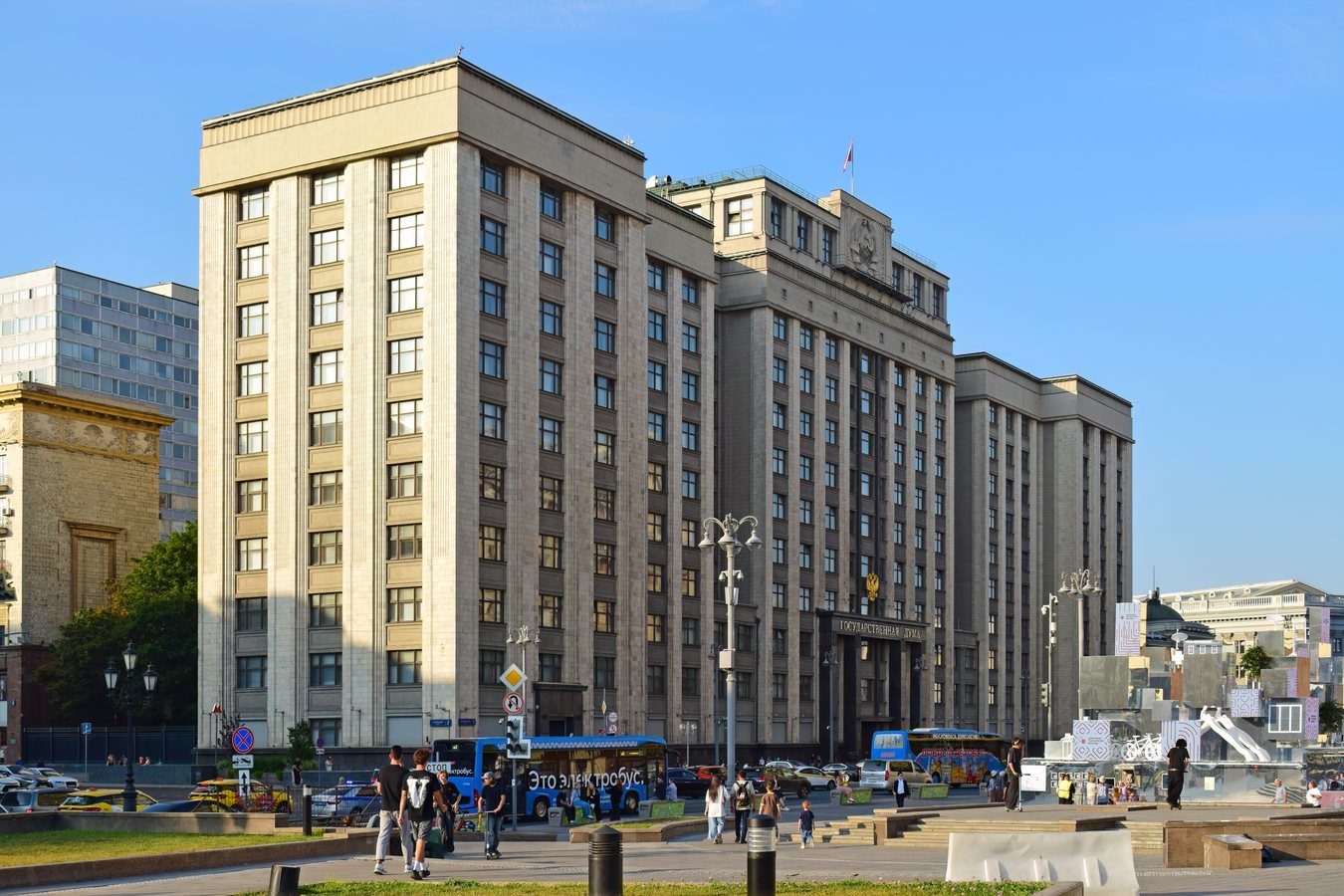
Russia’s military recruitment system is increasingly being built into ordinary civilian administration rather than left to enlistment offices and advertising campaigns. A Pladrom investigation brings together regional decrees, recruitment spending and targeted campaigns that point to a state trying to maintain manpower flows without repeating the political shock of the September 2022 mobilisation.
The clearest case comes from Ryazan region. A gubernatorial decree gives employers with at least 150 staff explicit tasks to find candidates for military contracts. Firms with 150 to 300 employees are assigned two candidates, larger organisations three or five. The programme runs until 20 September, the day Russians vote for a new State Duma.
This is not mobilisation in the legal sense. Workers are not conscripted by their companies and must formally sign a contract themselves. The institutional change is nevertheless significant: a manpower problem that once belonged primarily to the defence bureaucracy is being distributed across civilian employers.
The shift coincides with weaker recruitment. Important Stories calculated from federal payment data that 71,200 people received the one-off payment associated with a new military contract in the first quarter of 2026, 20 per cent fewer than a year earlier. The same reporting found that regional spending on rewards for people who deliver recruits more than doubled on a monthly basis in 2026.
At least Rbs7.7bn has been spent on recruiter rewards, according to that budget analysis. That does not prove the army is about to run out of personnel. It does show that acquiring each new volunteer increasingly requires a broader commercial and administrative infrastructure.
Students are another target. Russian educational institutions have promoted contracts with the new unmanned-systems forces, presenting the work as a technical military role. Documents reviewed by journalists, however, do not guarantee that a recruit will remain solely a drone operator and allow assignment to other military posts. Students have also described pressure from institutions to consider signing.
More coercive allegations remain contested. Rights advocates reported cases in Penza region in which men were detained and pressured to sign contracts. The regional police denied abduction or coercion and said officers were helping identify newly naturalised citizens who had failed to register for military service. The claims therefore cannot be treated as an established policy, but the episode illustrates how recruitment and enforcement mechanisms can overlap.
The political question is whether this system is intended to avoid another mass mobilisation altogether or merely postpone it until after the 20 September election. The calendar matters because Russia announced partial mobilisation on 21 September 2022, ten days after that year’s unified voting day.
That precedent is suggestive, not predictive. No comparable mobilisation followed the 2024 presidential election. In March 2026 the Kremlin said a new wave was not on the agenda. Independent Russian outlets later reported internal discussion of an autumn scenario, but their own sources said no final decision had been taken.
The more defensible conclusion is therefore institutional rather than speculative. Russia is constructing a distributed manpower system that uses regional government, employers, paid intermediaries, education and the reserve alongside conventional recruitment. If those channels continue to produce enough personnel, the Kremlin may have little incentive to order a politically costly mobilisation. If they fail, the period after the election offers a less electorally sensitive window for escalation.
63