Economy 4 min read By Alice Ashford
Warsh Faces Fed Credibility Test as Bond Yields Surge and October Rate Hike Odds Top 75%
Kevin Warsh must balance White House pressure for lower rates against market expectations for another hike in October, as 10-year Treasury yields hit a post-2007 high and oil prices climb on stalled US-Iran talks.
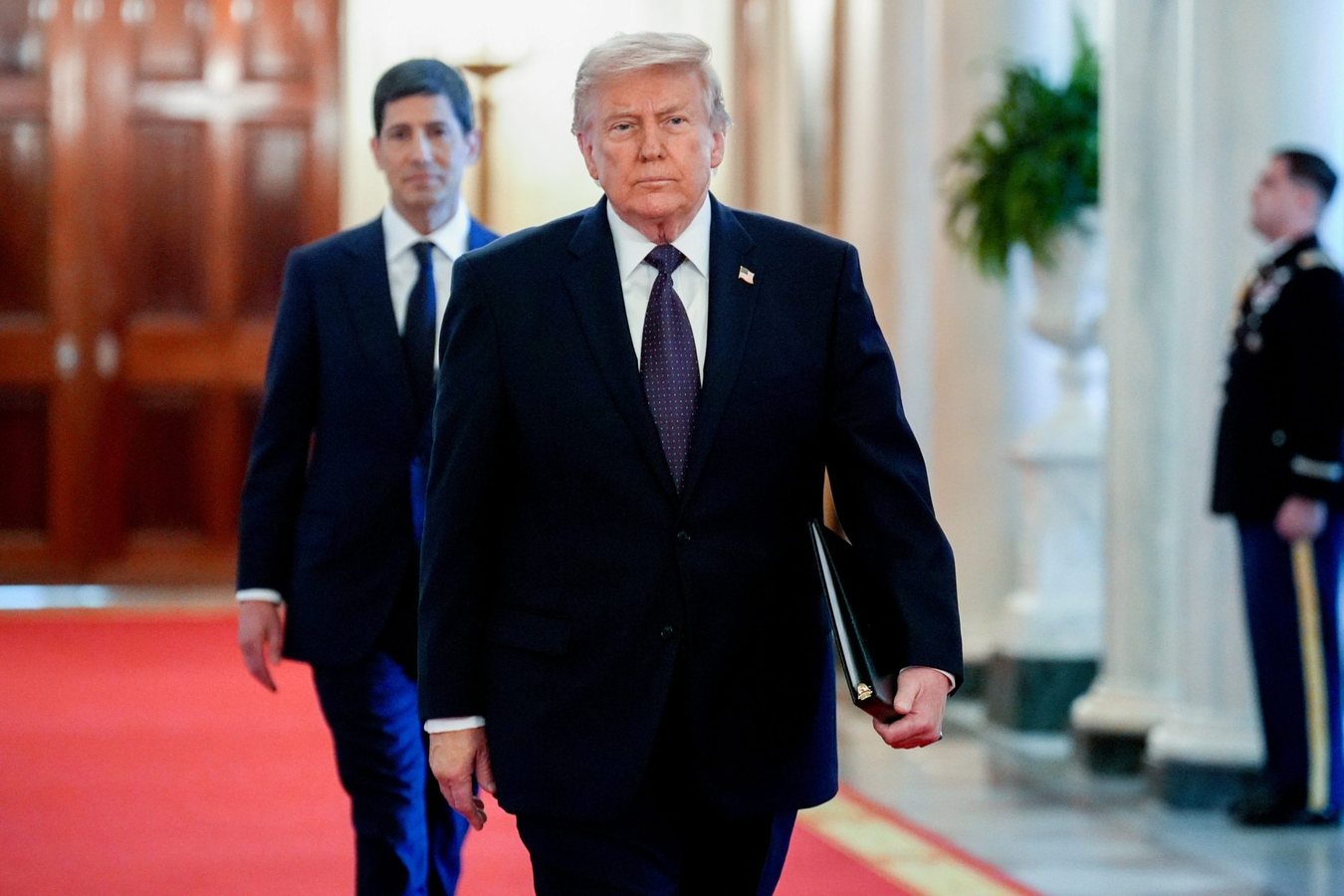
Kevin Warsh, the Federal Reserve chair, is confronting a narrowing path between his political standing in the White House and the central bank's credibility with financial markets. Expectations for another quarter-point increase in the base interest rate at the October meeting of the Federal Open Market Committee now sit at just over 75%, according to CME's FedWatch barometer, as bond yields climb and inflation pressures intensify.
The shift in rate expectations follows a sharp sell-off in US government debt. The 10-year Treasury yield has moved above 5.1%, while the 30-year yield is above 5.4%. Deutsche Bank's Jim Reid described the move to clients as the biggest daily jump since the market turmoil that followed Liberation Day in April 2025, taking the 10-year yield to a post-2007 high. A weak five-year auction added to the pressure, with $70bn of notes sold at 5.03%, 3.1 basis points above the pre-sale yield.
Inflation expectations are being driven higher by energy markets, where the failure of US-Iran negotiations to produce a breakthrough has kept oil prices elevated. Brent crude briefly touched $108 per barrel. Iran's President Masoud Pezeshkian told the United Nations that his country would never «bend the knee» but signalled it was «ready for dialogue and diplomacy». President Trump said he faced a choice between negotiating and «annihilating» the regime. Macquarie's Thierry Wizman noted that agreements emerging from the meetings could determine whether the war continues or an off-ramp is found, adding that crude oil prices still bear on global inflation and central bank decisions.
The FOMC has already demonstrated with a hike at its last meeting that it is no longer willing to look through the supply-side inflation shock created by the Middle East conflict. President Trump's response after that meeting was telling: he implied Warsh remained on the dovish side but was voting with the consensus out of submission rather than agreement, and claimed the committee was acting politically. That comment landed awkwardly as the Fed continues to defend its independence.
Bank of America's US economics team suggested that hiking, even if it draws the ire of the White House, might be «expedient» for this reason. In a note last week, the team wrote that Fed hikes looked politically challenging a few months ago but increasingly seem like an opportunity for Chair Warsh to burnish his legacy, sticking to a call for two more increases in October and December. The team added that the robustness of the nominal economy increases the risks of inflation persistence and reduces the risks that hikes will cause a recession, though if supply shocks prove persistent the Fed might eventually have to choose between an extended inflation overshoot and a hard landing.
For Warsh, the conundrum is immediate. Acting on market expectations would irk a president who has lobbied for lower rates since before returning to office. Failing to act would raise renewed credibility questions for both the chair and the committee. With bond yields at multi-year highs, oil prices tracking higher and inflation expectations adding fuel, the October meeting is shaping up as a defining test of how far the Fed is prepared to go to protect its independence.
7