Politics 4 min read By Alice Ashford
Republicans turn on Trump over beef import plan
President Trump's decision to allow temporary beef imports to lower grocery prices has drawn sharp criticism from Republican senators and cattle producers, who warn the move will hurt American ranchers.
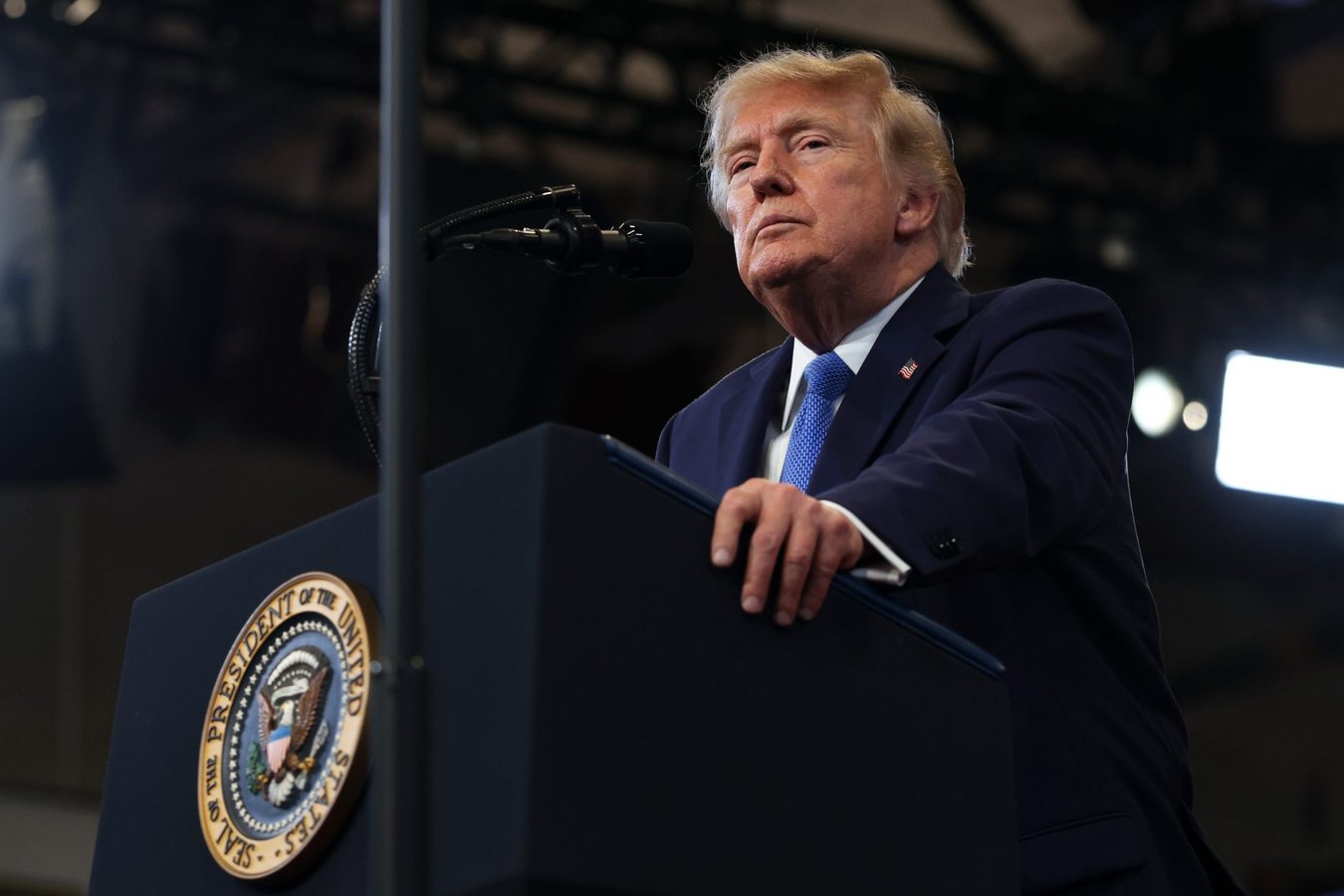
President Donald Trump's announcement that his administration will temporarily allow more beef into the United States without triggering higher tariffs has sparked a rare public rift with Republican lawmakers and cattle producers, traditionally among his strongest supporters.
The plan, announced Friday, is designed to ease record-high beef prices ahead of November's midterm elections. It permits up to 300,000 metric tons of ground beef to be imported over the next 90 days without activating an out-of-quota tariff. Trump said on social media that he had secured a commitment from foreign exporters to sell the beef at 25% below current market rates.
The move drew immediate pushback from rural-state Republicans. Senator Deb Fischer of Nebraska said in a statement: «We all want lower grocery prices, but as I've said for months, we cannot do it at the expense of American producers. Flooding the market with foreign beef hurts our livestock industry and undermines the long-term solution: growing the U.S. cattle herd to meet demand.»
Senator Tim Sheehy of Montana said in a social media post that the president's «heart is in the right place,» but that importing beef will «harm our ranching families who feed the nation.» Senator Pete Ricketts of Nebraska acknowledged the administration's focus on grocery prices but warned that «short term policy shifts do not equal long term solutions.»
Cattle industry groups were equally critical. Justin Tupper, president of the U.S. Cattlemen's Association, said: «You don't put America first by putting U.S. cattle producers last. This move will weaken our markets and gamble with food safety in the process.» Colin Woodall, CEO of the National Cattlemen's Beef Association, said the announcement sacrifices «long-term stability for short term messaging.»
The policy comes at a time when beef prices have climbed to record highs. The U.S. cattle herd is at its smallest in decades, consumer demand remains consistent, and cattle imports from Mexico have been limited because of a flesh-eating pest affecting animals there. Trump has also imposed 50% tariffs on Brazil, a major beef exporter, complicating the supply picture.
Ranchers, who have enjoyed some rare profitable years, worry that cheap imports will reduce cattle prices and remove the incentive to expand herd sizes. Bill Bullard, CEO of R-CALF USA, which represents independent cattle producers, said: «Imports have been a major contributor to the decline in the U.S. cattle inventory. Using more imports today will exacerbate that decline and will prevent herd expansion.»
Some agricultural economists, however, questioned whether the plan would have a meaningful impact on consumer prices. Glynn Tonsor, a professor at Kansas State University, noted that 300,000 metric tons amounts to roughly 3% of what Americans consume annually. «The relative magnitude we are talking about is pretty small,» he said. David Anderson, professor of agricultural economics at Texas A&M University, expressed skepticism that other countries could redirect so much beef to the U.S. in such a short period, asking: «Is that even achievable?»
A White House official, speaking on condition of anonymity, said the beef in question consists of lean trimmings used for ground beef production. Trump plans to sign an executive order formalizing the directive within two weeks. The administration made a similar push last year to buy more beef from Argentina in an effort to bring down prices.
64