
Politics 4 min read By Bethany Hadley
Nigel Farage resigns as MP, triggering Clacton by-election he intends to contest
Reform UK leader Nigel Farage has resigned as MP for Clacton, triggering a by-election he plans to contest, amid a dispute over donations and claims of an establishment 'hit job'.
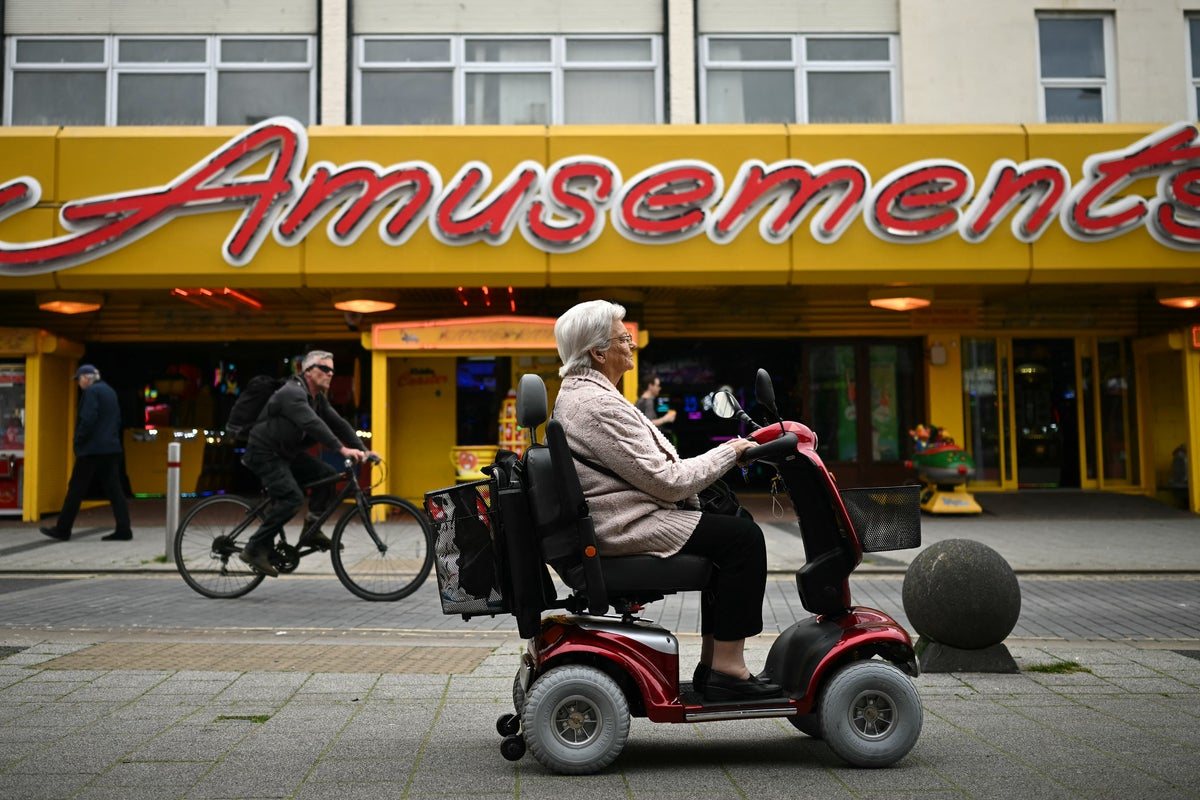
Nigel Farage, the leader of Reform UK, has resigned as the Member of Parliament for Clacton, triggering a by-election in the Essex constituency that he has declared he will contest. The move, announced on Tuesday, comes amid an escalating row over political donations and what Farage has described as an «establishment hit job» against him. Local voters have expressed support for Farage, with some describing him as a «shining light» in British politics, as the by-election campaign gets under way.
Farage, who won the seat at the last general election, framed his resignation as a stand against a political system he claims is rigged against ordinary people. In his announcement, he said the by-election would be a contest of «people versus the establishment». The Reform UK leader has faced intense scrutiny over donations to his party and his personal finances, which he argues are part of a coordinated effort by political opponents and the media to undermine him.
The by-election is expected to take place within weeks, though no date has yet been set. Clacton, a coastal town in Essex, has become a symbolic battleground for Farage and his party, which has positioned itself as a disruptive force in British politics. Farage first won the seat in 2024, marking his first successful election to Parliament after seven previous attempts. His victory was seen as a breakthrough for Reform UK, which has sought to challenge the dominance of the Conservative and Labour parties.
Local residents have reacted positively to Farage’s decision to stand again. In interviews conducted in Clacton, voters described him as a principled figure who speaks for those who feel ignored by mainstream politics. One supporter said Farage was a «shining light» who had brought attention to the town’s struggles with deprivation and neglect. Others expressed hope that his continued presence in Parliament would help secure investment and jobs for the area.
The by-election is likely to be an unusual contest, as several major parties have indicated they will not field candidates. The Conservatives, Labour, and the Liberal Democrats have all suggested they may boycott the vote, describing it as a «circus» orchestrated by Farage for personal publicity. This would leave Farage as the only major-party candidate on the ballot, potentially turning the by-election into a referendum on his leadership and the Reform UK agenda.
Farage’s resignation has also reignited debate about the rules governing political donations and the conduct of MPs. Critics argue that his decision to resign and immediately re-stand is a misuse of parliamentary procedure, designed to generate media attention and rally his base. Farage has dismissed such criticism, insisting that he is acting to expose the corruption of the political establishment and to give voters a clear choice.
The Clacton by-election will be closely watched as a test of Reform UK’s strength and of Farage’s personal popularity. It also comes at a time of heightened political uncertainty in Britain, with the government facing challenges over the economy, public services, and immigration. Farage has sought to capitalise on these issues, positioning himself as the voice of a disenfranchised electorate.
Political analysts note that the outcome of the by-election could have broader implications. If Farage wins convincingly, it could bolster his claim to be a major force in British politics and put pressure on the main parties. A poor showing, however, could weaken his standing and raise questions about the future of Reform UK. For now, the focus remains on Clacton, where voters will soon have the chance to decide whether to send their «shining light» back to Westminster.
88